
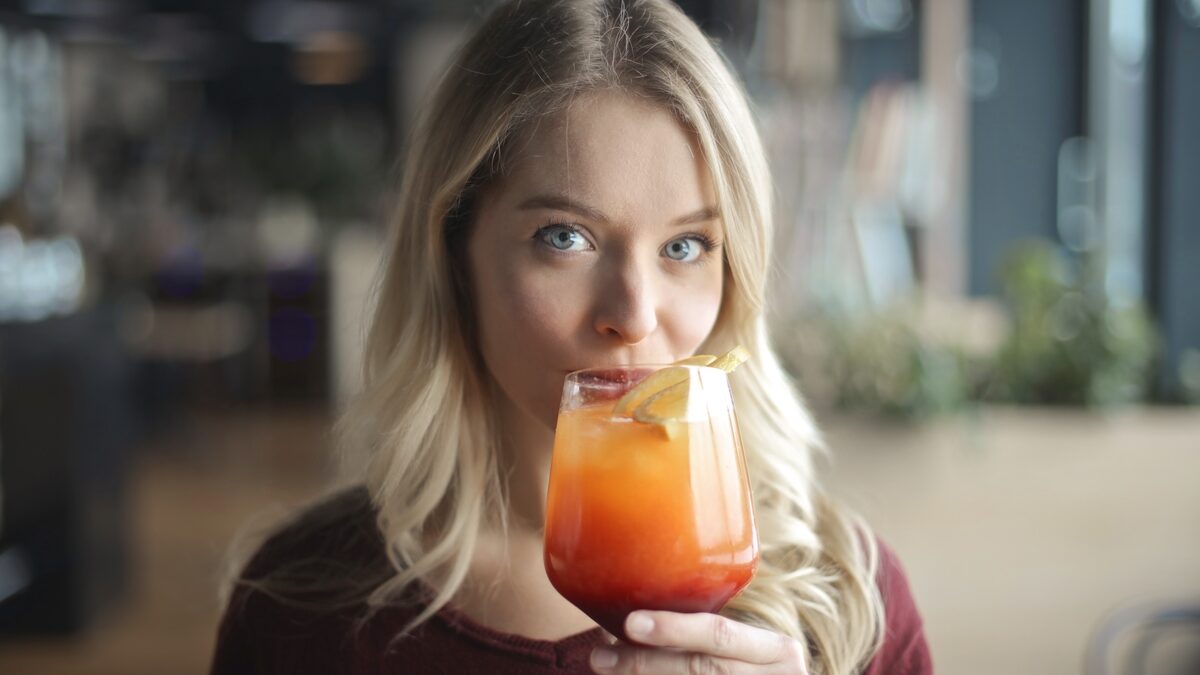
When the weekend approaches and the desire to party arises, we often tend to turn… to a cocktail. Unfortunately for us, the latter is not very good for our figure or for our health. Rich in sugar and calories, it can quickly tip the needle of the scale to the wrong side. Unless you make the right choices? Here’s what Julie Boët, dietitian-nutritionist, says.
Behind every glass, real consequences
After a drunken evening, the effects of alcohol are quickly felt. Indeed, as soon as alcohol enters the body, it acts as a diuretic: it increases urine production and causes a significant loss of water and essential electrolytes such as sodium, potassium and magnesium. Dehydration causing headaches, difficulty concentrating… and great fatigue.
“The body will in fact primarily mobilize the liver to metabolize it. This can lead to a form of physiological fatigue. Added to this is a well-known effect of alcohol, which is dehydration. It increases water loss and can explain certain symptoms such as headaches or feeling tired the next day.“, confirms Julie Boët.
Then, downing several cocktails is not without consequences… on your weight. Often very sweet, they provide a significant amount of so-called “empty” calories (i.e. devoid of vitamins, minerals or fiber), which add up quickly without really filling you up. Result: they provide no nutritional benefit, but have a high energy density… promoting weight gain.
“Not only does it provide calories quickly, but it can also disrupt hunger and satiety signals. Heavy consumption of alcohol can thus stimulate our appetite, particularly the next day, and lead to higher and less controlled food intake. This can therefore slow down the efforts put in place as part of a dietary rebalancing“, warns the dietitian.
Which alcoholic drinks should you turn to to limit these effects?
Although it is preferable not to drink at all on a daily basis, you can nevertheless treat yourself, from time to time, to a slightly festive dinner. In this case, which cocktails should you prefer? Julie Boët is not very attracted by spritzes and other mojitos.
“Cocktails are particularly high in calories due to the addition of sugars, syrups or sodas,” she warns. “I therefore recommend instead turning to drinks such as wine, light beer or even certain spirits consumed with sparkling water or drinks without added sugar, which can be a little less caloric“, she advises.
However, beyond the number of calories, your choice must above all… give you pleasure,”in order to avoid any frustration, which could ultimately be counterproductive“, specifies the expert. So, consuming an occasional glass of alcohol does not call into question all your efforts.”The important thing is to remain in moderate and conscious consumption.“, recalls the nutritionist.
However, keep in mind: the lowest-calorie cocktails are those that contain little sugar and simple ingredients. A gin and tonic (light) or a vodka-sparkling water-lemon will thus be much lower in calories than a mojito or a spritz. Also remember to avoid cocktails made with fruit juices, syrups or cream, such as piña coladas or daiquiri, which are very loaded with sugar.
During the evening, a few simple reflexes can make the difference
During a drunken evening, a few simple actions can not eliminate, but somewhat mitigate the effects of alcohol.
“Hydrating yourself is a good first instinct. A simple and effective strategy consists of alternating each glass of alcohol with one or two glasses of water. This not only reduces the total quantity of alcohol consumed, but also limits dehydration“, assures Julie Boët.
Taking the time to drink slowly and eat at the same time is also a good idea.
“In the event of pathologies, particularly liver diseases, or drug treatments, I advise, however, to limit or even avoid alcohol consumption. Generally speaking, moderation remains the key principle“, concludes the dietician.
The main thing? Have fun without excess.