
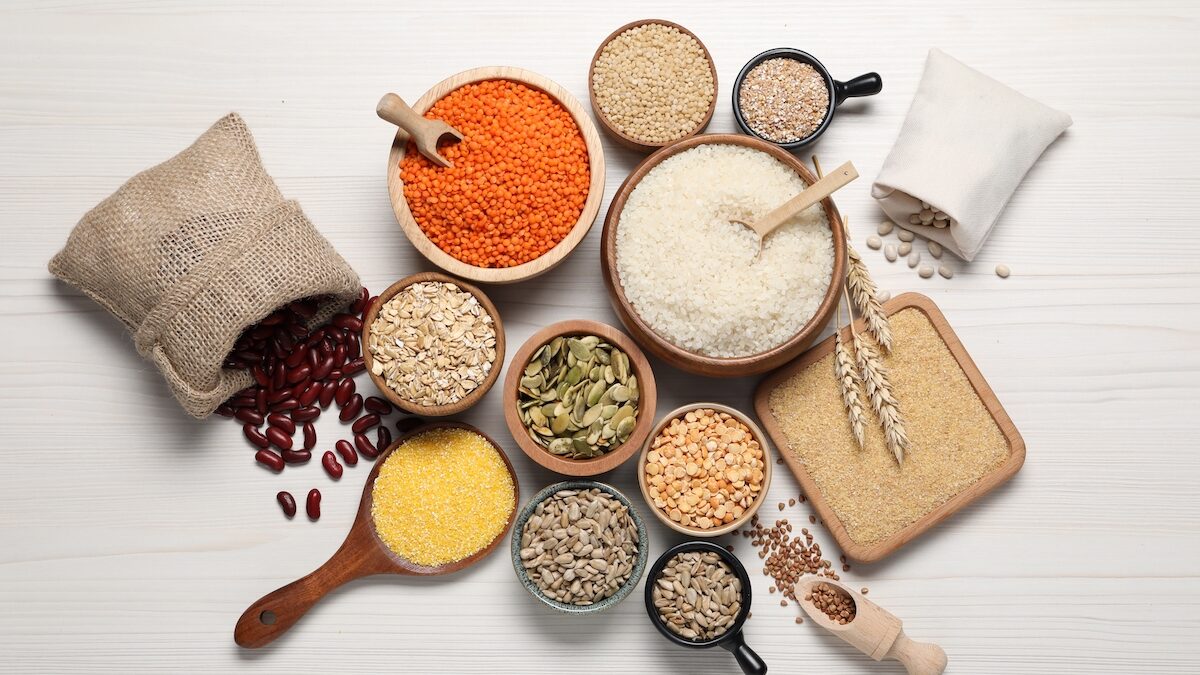
They’re small, green and often overlooked, but pumpkin seeds are making a comeback. Rich in magnesium, iron and vegetable proteins, they could well become the new health nutrition reflex. In March 2024, a scientific study confirmed their potential: these seeds would help prevent certain chronic diseases such as Alzheimer’s, diabetes and even cardiovascular disorders.
Why pumpkin seeds appeal to nutritionists
Two American nutritionists, Samantha Cassetty and Natalie Rizzo, recently extolled the virtues of these small seeds to the site Today. According to their analyses, a 30-gram serving of unsalted pumpkin seeds provides approximately 160 calories, 8 grams of protein, 14 grams of mainly unsaturated fats, 4 grams of carbohydrates and 2 grams of fiber. Their richness in micronutrients is impressive: they alone cover 37% of the recommended daily intake of magnesium, a mineral essential for regulating tension and managing stress. They also contain 18% of the recommended intake of zinc, beneficial for immunity and skin health, as well as a significant amount of iron, valuable for vegetarians. For Natalie Rizzo, “these seeds are one of the best sources of plant-based iron“.
What science confirms about their benefits
Pumpkin seeds owe nothing to fashion. In March 2024, a scientific publication specializing in nutrition described them as a real “reservoir of antioxidant compounds” capable of acting on several fronts. Researchers have highlighted several potential effects: prevention of cardiovascular diseases, reduction of the risk of benign prostatic hyperplasia, improvement of blood sugar control and protection against oxidative stress linked to Alzheimer’s disease. For Samantha Cassetty, “they are among the foods that I most recommend to my patients during periods of chronic fatigue or decline in form.“. These results reinforce their status as a superfood that is both simple and complete, far from exotic trends.
How to easily integrate them into your meals?
Pumpkin seeds can be eaten raw or roasted, whole or pureed. Their slightly nutty taste goes well with many everyday dishes. Nutritionists recommend adding them simply and regularly:
- As a topping on a bowl of oatmeal or homemade granola;
- Sprinkled on a salad or soup;
- Incorporated into breads or muffins;
- Mixed with a little cinnamon for a homemade vegetable butter.
Easy to digest and accessible, they offer a local and economical alternative to other imported seeds such as chia or flax. A handful a day is enough to benefit from their effects on energy, concentration and long-term health.