
Should we ban gluten, milk or vegetable oils to adopt an anti-inflammatory diet? The answer is rather no, unless medically indicated. In the show “It’s going to be much better” on RTL, on August 13, 2026, Violette Babocsay, dietitian and author of Great Guide to Nutrition and Weight Loss
(Marabout), recalls that the real reflex consists above all in balancing your diet.
The anti-inflammatory diet promises a lot, but it remains poorly defined
On social networks, the anti-inflammatory diet is often presented as an answer to many problems: less pain, improved skin, better protection against certain diseases. Violette Babocsay invites us to calm down these promises. According to her, diet can play a role, but not as spectacularly as some speeches suggest.
Its first contribution is to clarify the word “inflammation”. It distinguishes acute inflammation, which appears for example after a cut or sprain and participates in the body’s repair, from low-grade chronic inflammation. The latter is
more discreet, lasting and often without visible symptoms. To better understand the difference between acute inflammation and chronic inflammation, we must avoid equating it with a vague discomfort that we could diagnose ourselves.
Violette Babocsay also indicates that this low-grade chronic inflammation is involved in several diseases, such as type 2 diabetes, cardiovascular diseases or certain forms of cancer. The nuance is essential: association does not mean single causeand no diet can be presented as a way to prevent or treat these diseases. Work on chronic inflammation rather speaks of shared mechanisms, possible contribution and interactions with other factors.
Second strong point of the column: there is no single, consensual definition of “anti-inflammatory diet”. Depending on the discourse, it may involve increasing certain plants, drawing inspiration from the Mediterranean model, or on the contrary removing entire families of foods. This is precisely where the confusion begins.
Gluten, milk, vegetable oils: automatic exclusions are not justified
Among the most common advice, we find the elimination of milk, gluten or certain vegetable oils. Violette Babocsay is very clear on this point: in people who tolerate them normally, scientific data does not show that these foods promote chronic inflammation.
The wording, however, needs to be precise. In the absence of celiac disease, allergy, proven intolerance or specific medical advice, systematically eliminating these foods is not justified. on the grounds that they would be “inflammatory”. This does not call into question the necessary evictions in certain medical situations, particularly in the event of celiac disease, wheat allergy, confirmed poor digestive tolerance or personalized recommendation by a health professional.
Another important nuance from the dietitian: not everything is on the plate. She cites excess fat mass, particularly abdominal fat, smoking, a sedentary lifestyle, lack of sleep and stress as factors that may be associated with chronic low-grade inflammation. It is not a question of making a rigid classification or of making the people concerned feel guilty, but of remembering that food is just one lever among others.
Useful foods mostly resemble classic nutritional benchmarks
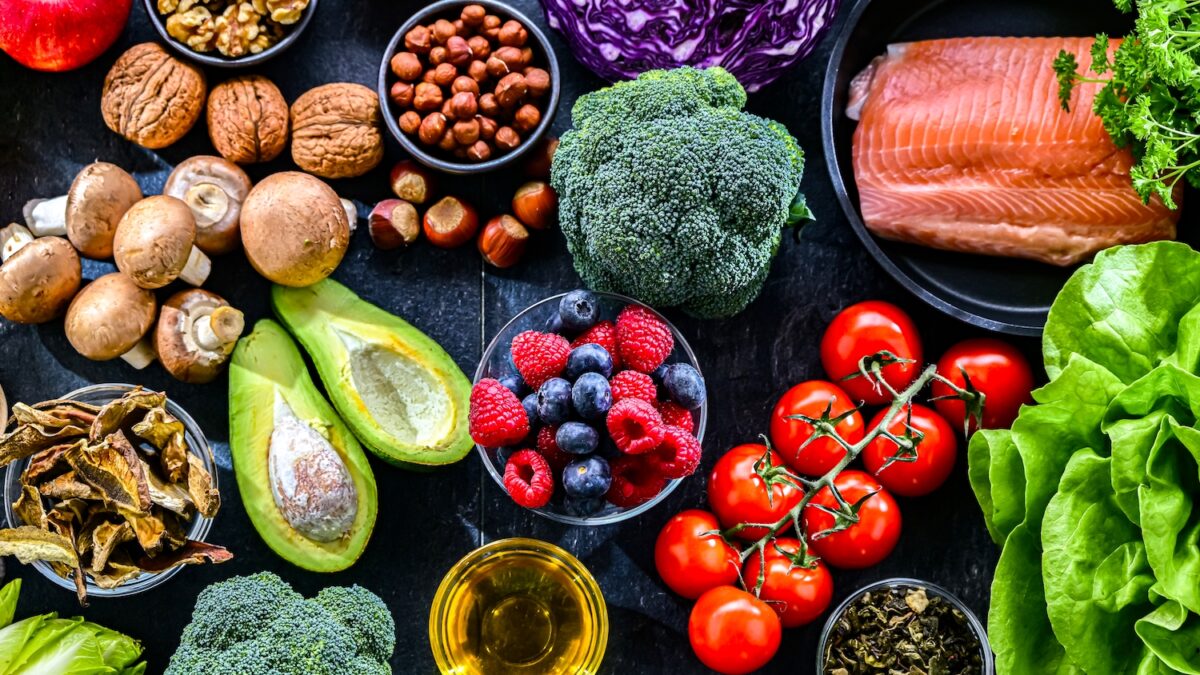
When the presenter asks what to eat to limit inflammation, Violette Babocsay does not give a list of miracle foods. Instead, she cites families already well aware of public health recommendations:
- Increase fruits and vegetables, with the benchmark of five servings per day;
- Make more room for legumes, whole grains and nuts;
- Include fatty fish and vegetable oils like olive oil;
- Favor a diet rich in fiber and minimally processed foods.
These benchmarks match the advice of Public Health France: more plants, dried vegetables, whole starchy foods, unsalted nuts, fish and rapeseed, nut or olive oils, while reducing very fatty, very sweet, very salty or ultra-processed products. To go further without turning your plate into forbidden territory, our file on the anti-inflammatory foods to favor also reminds us that no isolated food is enough on its own.
This is the practical point to remember from the column:
better to build a generally balanced diet than to hunt down supposedly inflammatory foods. Foods with anti-inflammatory potential can have their place in a varied diet, but they do not replace medical monitoring, prescribed treatments, or other aspects of lifestyle.