
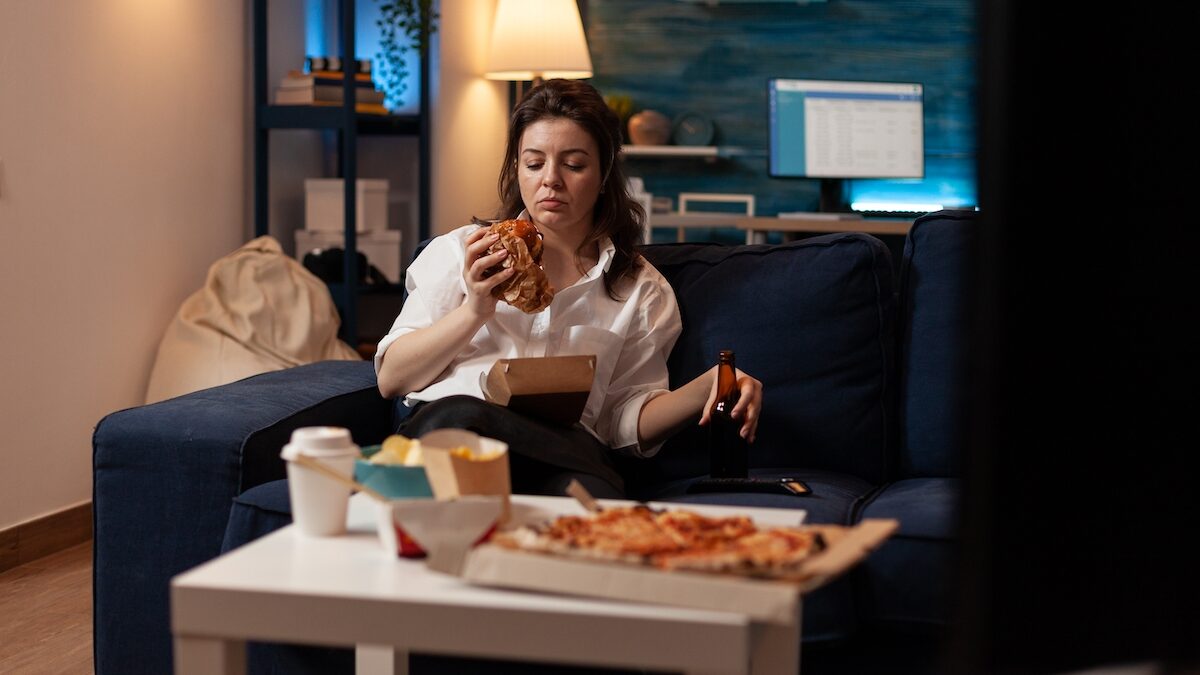
Contrary to what you might think, cholesterol does not only depend on what you eat during the day. Certain habits taken in the evening can also have a heavy impact on the lipid profile and promote an increase in “bad” cholesterol (LDL) and triglycerides. Good news: a few simple changes can already make a difference. Dr Gérald Kierzek, medical director of True Medical, gives us the reflexes to adopt – and especially those to abandon – after dinner.
Sitting all evening
After a long day, the urge to sink into the couch can seem irresistible. However, remaining completely sedentary after the evening meal does not help the body to properly manage the fats circulating in the blood.
“Physical activity increases “good” cholesterol, HDL, and helps lower triglycerides”recalls Dr. Gérald Kierzek. Conversely, spending the entire evening sitting slows down the metabolism and promotes the accumulation of lipids.
However, there is no need to do an intensive sports session. A 20 to 30 minute walk after dinner, a few dynamic stretches or even a short dance session at home are already enough to stimulate the body.
Have a last drink before going to sleep
The small drink “to relax” in the evening can also have consequences on cholesterol, especially when it becomes a regular habit.
“Alcohol consumed in the evening causes the liver to produce more triglycerides and can also cause a rise in LDL in some people” underlines our expert.
Dr. Kierzek advises instead to focus on simple and hydrating drinks: a sugar-free herbal tea, a glass of cool water or even lemon water.
Snack in front of the TV or dine too late
It’s one of the most common habits…and one of the most problematic.
Eating late or having more small snacks in front of a series disrupts the body’s natural metabolic rhythm. Result: blood sugar, insulin and triglycerides tend to rise, while the gain of abdominal fat is encouraged.
“In the evening, the body does not use energy in the same way as during the day,” calls back the doctor.
To limit the effects on cholesterol, he recommends finishing dinner at least one to two hours before bedtime and opting for a lighter meal: vegetables, legumes, fish or lean poultry, while limiting ultra-processed products, fried foods or saturated fats.
Going to bed stressed or anxious
Stress doesn’t just affect morale. It also has a direct impact on metabolism.
“When you go to bed feeling tense, anxious or angry, the body produces more cortisol, a hormone which notably promotes the storage of abdominal fat and can degrade the lipid profile.”
Poor sleep then aggravates the phenomenon by disrupting hormonal and metabolic recovery during the night.
For Dr. Kierzek, a few simple actions can help break this vicious circle: avoiding screens in bed, not checking work emails late at night, practicing a few minutes of slow breathing or even reading to promote calm.
Good habits to favor in the evening
Conversely, certain routines can actually help improve cholesterol in the long term.
Among the good habits to simply implement, our doctor recommends in particular:
- Meals taken at regular times;
- More fiber from vegetables, legumes, oatmeal or whole grains;
- Good fats like olive oil, fatty fish or nuts;
- Moderate physical activity in the evening;
- And above all, quality sleep.
“Sleep plays an essential role in hormonal balance and fat metabolism,” insists Dr Gérald Kierzek.
Because when it comes to cholesterol, the little reflexes repeated every evening sometimes count as much as the contents of the plate. You now know what to do and what is best to avoid in the evening.