
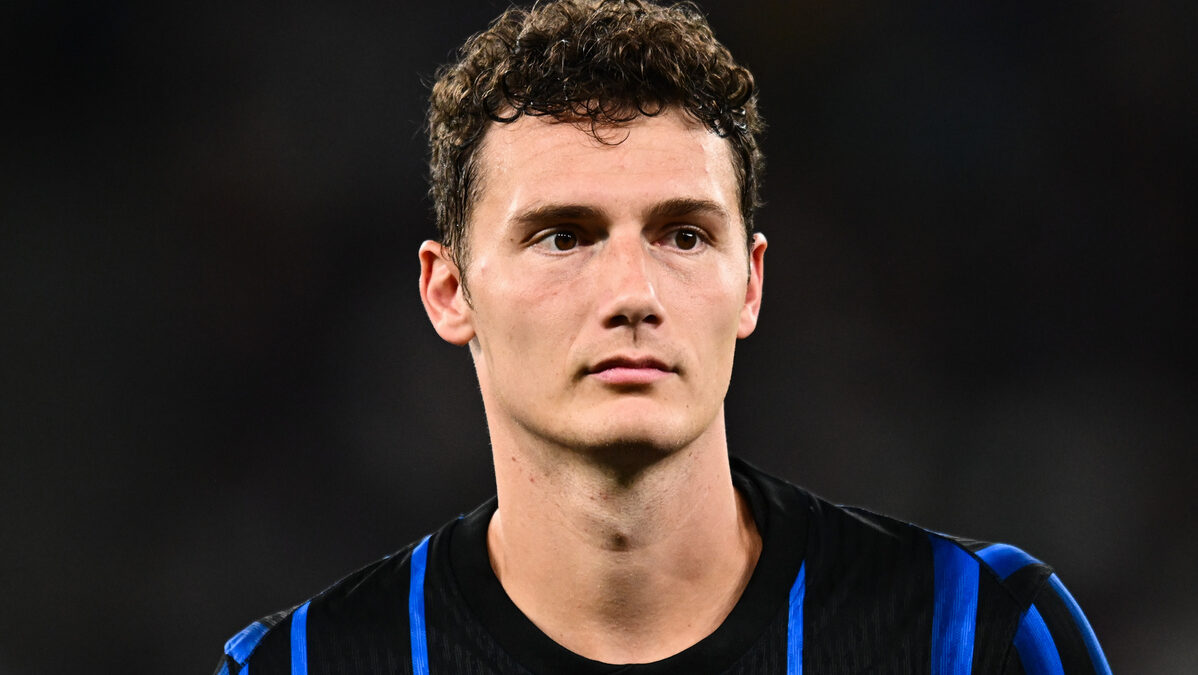
It was on Instagram that the defender of the France team chose to reveal the birth of his first child – a little girl named Léna Rose. Images full of tenderness taken in the maternity ward, praised by thousands of Internet users. But at a time when social networks are now part of life’s major events, a question arises: is it really without consequences to expose your child from the very first days? A clinical psychologist shares some answers with us.
Showing your baby on social networks: a reflex that has become almost automatic
A few weeks after announcing the pregnancy of his wife, Kleofina Pnishi, Benjamin Pavard chose to share the first moments of their life as a threesome with his subscribers. We discover him upset while taking his baby in his arms, delicately kissing his hand or posing alongside his wife and their daughter.
One detail has not escaped Internet users: the birth bracelet allows you to discover her first name, Léna Rose.
And if this Instagram post is relatively banal – today, sharing the birth of your child on social networks has become a reflex for many parents – this habit is however not without consequences, according to our psychologist.
A digital identity that is built without consent
If these publications often reflect immense joy – that of being a parent – they also raise questions about the child’s image rights. Because even before they can speak, some babies already have a digital identity.
“Constructing oneself under the permanent eye of the camera means risking losing the distinction between the public image and the intimate self. It means plunging them without their knowledge into a universe that is not supposed to be theirs. These children grow up being conditioned by external validation: how many likes, views? What impact on their identity in the long term?”asks Amélie Boukhobza, clinical psychologist.
For the expert, the risk therefore does not lie only in the images published at a given moment (here, the birth of the child) because each image posted online can be recorded, shared, diverted or even reappear years later. Without the child ever having a say.
Can you really expose your child without their consent?
This practice also raises another essential question: that of consent. Because an infant obviously cannot accept — or refuse — that his image is broadcast to hundreds of thousands, even millions of people.
“At the age when we are still trying to understand who we are, they are already engaged in a public role whose issues or consequences they have no control over”warns the psychologist. “This need for exposure comes above all from the parents, and this has or will have a psychological price for the child!” concludes the expert.
In other words, children need their own space to grow and discover themselves – at their own pace. A right to privacy which, in the age of social networks, undoubtedly deserves to be further preserved.