
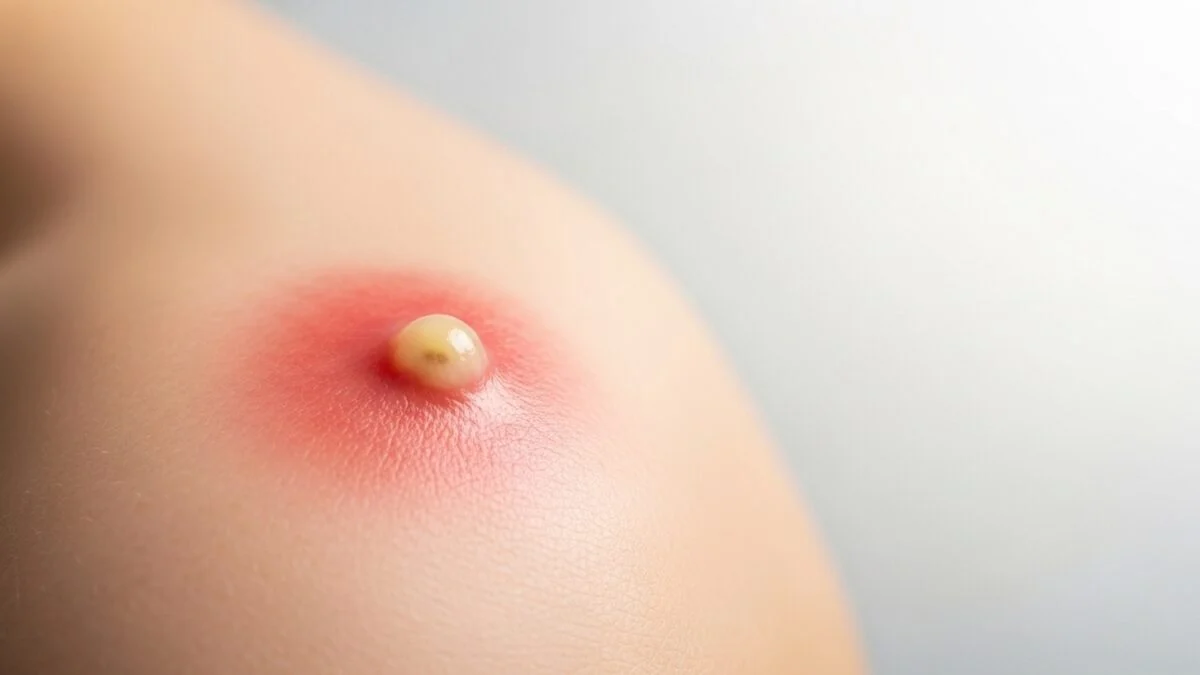
A small cut while shaving, a scratch after sports or an insect bite that you scratch: sometimes all it takes is a tiny entry point for this bacteria to pass from the surface of the skin to the tissues.
THE
Staphylococcus aureusbetter known as Staphylococcus aureus, can in fact live on the skin or in the nasal passages without making you sick. We then speak of asymptomatic carriage.
“Staphylococcus aureus is one of the bacteria that we frequently encounter. Its mere presence on the skin does not mean that you are sick. On the other hand, it is important to recognize the signs which should suggest a skin infection and lead to consultation. In the majority of cases, appropriate treatment allows for rapid healing and avoids complications.”explains Dr Ronjat, dermatologist and member of the French Society of Dermatology.
A common bacteria that sometimes takes advantage of weakened skin
The skin constitutes a real barrier against microbes. But a cut, a scrape, very dry skin or affected by eczema can create an entry point. Repeated scratching, shaving or friction from clothing and sports can also promote infection.
The risk of complications is greater in certain people, particularly those who suffer from
diabetes or whose immune defenses are reduced. Infections caused by Staphylococcus aureus take several forms.
- There
folliculitis results in small red spots centered around a hair, especially on the thighs, buttocks or beard; - THE
boildeeper, becomes red, hot and painful before forming a pocket of pus; - When it accumulates under the skin, it is a
abscesswhich may require medical treatment associated with incision and drainage;
- In children, Staphylococcus aureus is also frequently responsible forimpetigoa very contagious infection characterized in particular by blisters then honey-colored crusts around the nose or mouth;
- THE
whitlowfinally, touches the edge of the nail. Redness, swelling and throbbing pain should prompt consultation.
Redness, heat, pain: the signs that should alert you
An area red, warm, swollen or painfulespecially when it contains pus, can indicate a skin infection and warrants medical advice.
Certain signs require rapid consultation:
significant pain, fever, rapid spread of the lesion or risky location, particularly on the face.
Particular vigilance is also necessary in diabetic or immunocompromised people, as well as in
infants and the elderly.
It is therefore not a question of worrying about the slightest pimple, but of monitoring its progress. A lesion that becomes increasingly red, hot, painful, or extensive deserves to be examined.
No, not all infections require antibiotics
Another misconception: Not all Staphylococcus aureus skin infections require oral antibiotics.
For certain superficial and small forms, in the absence of risk factors, a local antibiotic may be prescribed, particularly in certain localized impetigo.
Treatment therefore depends on the form of the infection, its extent and the patient’s condition. In the case of an abscess, surgical drainage may be necessary.
It is therefore better to avoid self-medication and let the doctor determine the appropriate treatment.
A few simple steps to limit infections
It is impossible to completely eliminate Staphylococcus aureus: some people carry it naturally without being sick. However, a few actions can help limit infections and their transmission:
- Wash your hands regularly;
- Quickly clean small wounds;
- Avoid handling the lesions;
- Do not share towels or razors.
And above all, a skin infection is not necessarily linked to a lack of hygiene. Staphylococcus aureus is common and can benefit from a simple weakening of the skin.
The essential message is therefore simple: Being a carrier of Staphylococcus aureus does not mean being sick. But a red, hot, painful or purulent lesion must be monitored and, if it worsens, seek medical advice.