
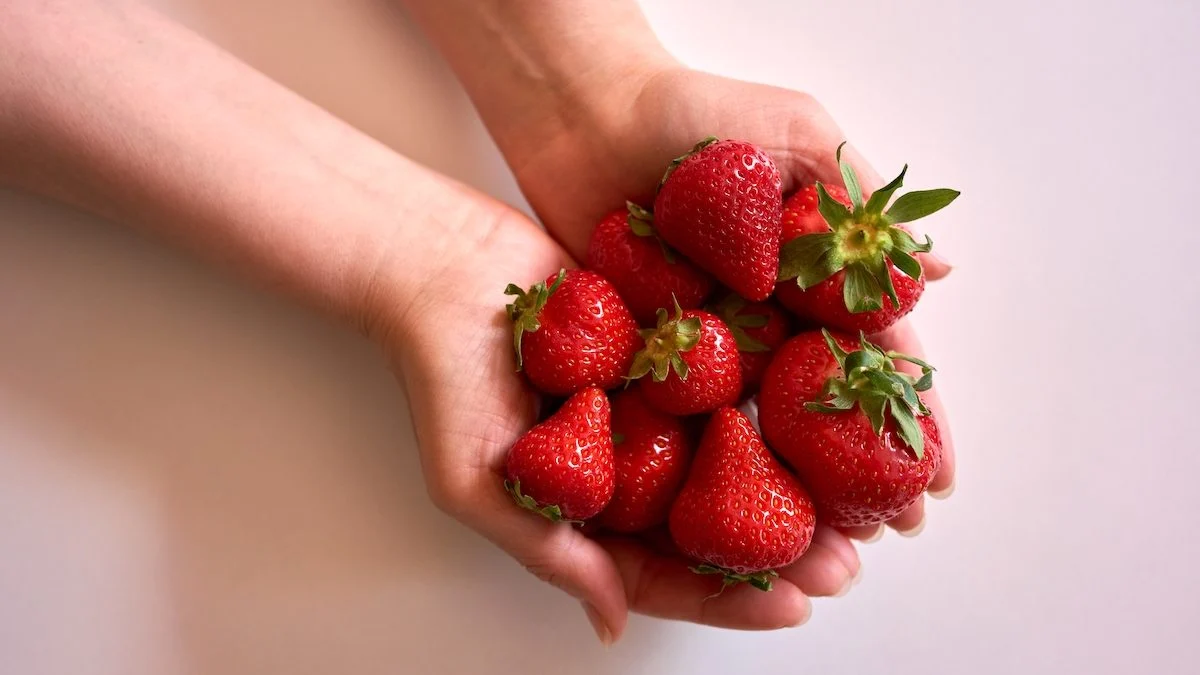
To effectively remove pesticide residue from strawberries, using vinegar or drinking water is not always enough. Due to their thin skin and their proximity to the ground, they are in fact one of the most contaminated fruits. Fortunately, there is one method in particular that allows you to clean them thoroughly.
Processed strawberries, a threat to your health
Because they are fragile, grown at ground level, and very sensitive to mold and insects, strawberries are regularly among the fruits most contaminated by pesticides. Result: their conventional cultivation often requires several chemical treatments.
“These residues, invisible to the naked eye, can remain on the surface of the fruit, or even partly under the skin. However, even at very low doses, repeated exposure to pesticides is suspected of having harmful effects on health: hormonal disruption, impact on the nervous, immune or reproductive systems… Children and pregnant women are particularly sensitive to them,” confirms Julie Boët, dietitian-nutritionist.
To limit the risks, the first good reflex is to choose strawberries from organic farming.
“Better yet, choose local and seasonal strawberries, because they are often less processed when grown in good climatic conditions. Also favor labeled French strawberries (AB, Nature & Progrès, etc.), and avoid as much as possible those imported from very far away, often subject to different standards.” underlines the expert.
This being said, a little cleaning is necessary even when they are organic. And there’s bad news:a simple rinse under tap water is not enough. This gesture only removes a small part of the surface residue. warns the dietitian.
Strawberries: how to wash them effectively?
In the realm of natural “cleaners”, baking soda seems to stand out. It helps to eliminate pesticide residues without leaving traces or a strong taste. It also preserves the natural flavor and texture of the strawberry.
“But be careful with baths based on vinegar or bicarbonate: although they can help, they are not the most effective on fat-soluble pesticides, that is to say those which cling to fat. warns Julie Boët.
The most effective method? A bath based on water and sodium bicarbonate (the one found in supermarkets, unscented).
“Mix a tablespoon of bicarbonate in a liter of water and let your strawberries soak in this mixture for 10 to 15 minutes. Then, rinse them carefully with clean water. This process acts as a natural chemical remover: the bicarbonate neutralizes part of the residue, by slightly modifying the pH of the water and destabilizing certain components of the pesticides,” assures the nutritionist.
A crucial point: never remove the tails before washing.
“Otherwise, the water and residue it contains can penetrate the heart of the fruit. And don’t let them soak for too long, otherwise they will become soft and lose their taste,”
warns the expert.
In summary, eating strawberries remains an excellent idea: rich in vitamin C, antioxidants and low in calories, they are one of the most beneficial fruits for your health. But to fully benefit from their benefits, a bicarbonate bath is essential.