
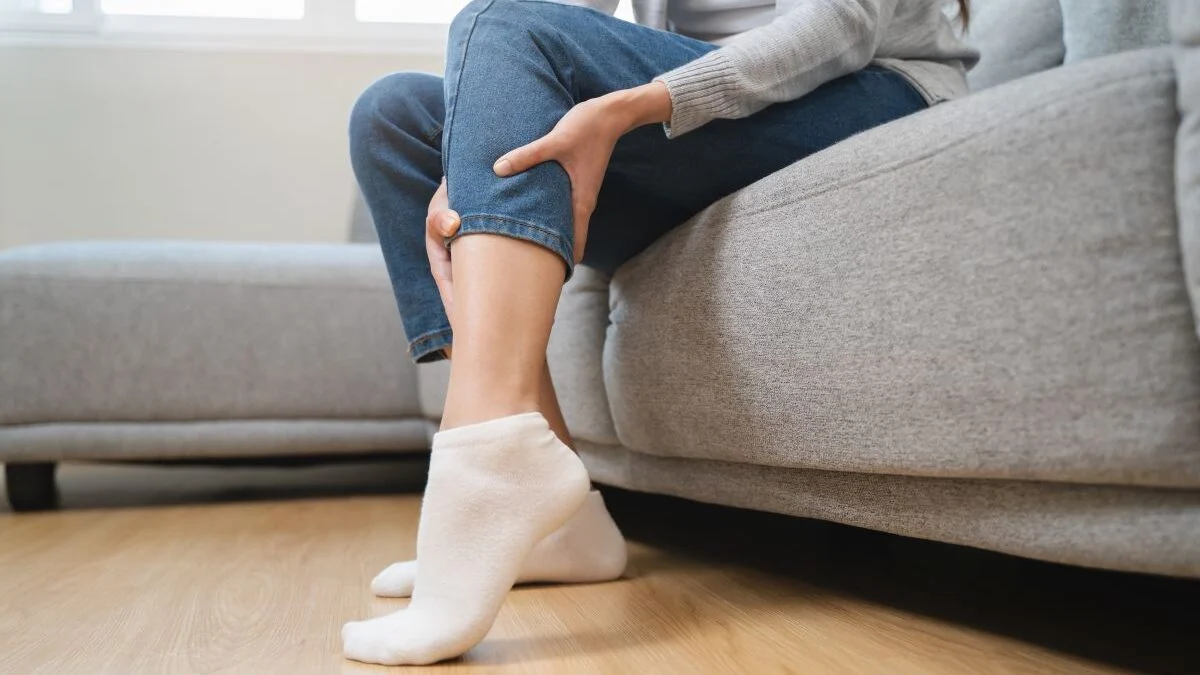
Summer and heat waves are not kind to our body. If we often think about the risks of heat stroke or general dehydration, another inconvenience well known to athletes and walkers resurfaces: cramps.
This brutal and painful muscle spasm is linked to the way our body regulates its temperature in the face of heat waves.
Sweating and loss of mineral salts: the heart of the problem
To maintain its internal temperature at 37°C, the body uses a powerful natural air conditioner: sweating. However, this defense mechanism comes at a cost to the body.
As Dr. Gérald Kierzek, emergency physician and medical director of True Medical, points out, “Sweating is a normal cooling mechanism, but when it is abundant, it causes a loss of fluid and mineral salts. It is above all this water-salt imbalance which is incriminated in heat cramps.
Indeed, we don’t just lose water when we sweat. We also release components essential to the proper functioning of our cells, called electrolytes.
The trap of hydration exclusive to pure water
Faced with extreme heat, the first instinct is to drink plenty of water. If this gesture is essential, it can prove insufficient, or even counterproductive for the muscles if we are not careful.
“When we sweat, we lose water but also electrolytes, particularly sodium. If we replace mainly with water without sufficiently compensating for the lost salts, the water and mineral balance becomes disrupted, which promotes cramps.“, warns the emergency doctor.
By diluting the little sodium remaining in the body with pure water, we accentuate the lack of minerals. The nervous system then sends bad electrical signals.
“Cramps when it is hot are most often explained by a mixture of heavy sweating, loss of salt and dehydration, especially if there has been physical effort. The muscle then becomes more irritable and contracts suddenly.”
Fatigue and circulation: the indirect effects of heat
Dehydration isn’t the only culprit. Ambient heat imposes general fatigue on the entire body, which reduces muscular resistance and disrupts blood circulation, particularly in the lower limbs.
Dr. Kierzek adds: “Heat also plays an indirect role by promoting fatigue, reduced muscle performance and sometimes poor return circulation in the legs, which can accentuate the feeling of heavy legs and cramps. This lack of oxygenation of muscle tissues creates an ideal environment for the triggering of spasms.
Good reflexes to relieve and prevent heat cramps
It is important to remember that sweating remains a healthy reaction. Dr. Kierzek sums it up perfectly.
“Sweating is not bad in itself; the problem arises when losses exceed intake, especially during sports, prolonged walking or on very hot days.”
To get through the summer without pain, here is what to do in case of cramps:
- Stop all effort and immediately move to a cool, shaded place;
- Gently stretch the contracted muscle, gradually and smoothly. If the cramp is in the calf, bring the tip of your foot towards you;
- Massage the area gently to encourage relaxation of the muscle fibers;
- Rehydrate yourself by drinking water, ideally enriched with salt (such as broth or an exercise drink) if the sweating has been intense.
How to avoid them on a daily basis?
On a daily basis, for long-term prevention, other actions are essential:
- Anticipate hydration by drinking regularly throughout the day, without waiting for the feeling of thirst to appear;
- Don’t just compensate with water after heavy sweating; make sure to replenish your stocks of mineral salts (mineralized water, lightly salted diet);
- Adapt your activities by avoiding intense physical exertion during the hottest hours of the day (between 11 a.m. and 4 p.m.);
- Stay moving gently and regularly, and incorporate light stretching into your routine if you’re prone to cramps.
You have understood: heat cramps are not inevitable, but an alarm signal sent by a dehydrated and salt-depleted muscle. By adjusting your hydration and listening to your body’s needs on hot days, you will allow your muscles to function optimally, even in the sun.