
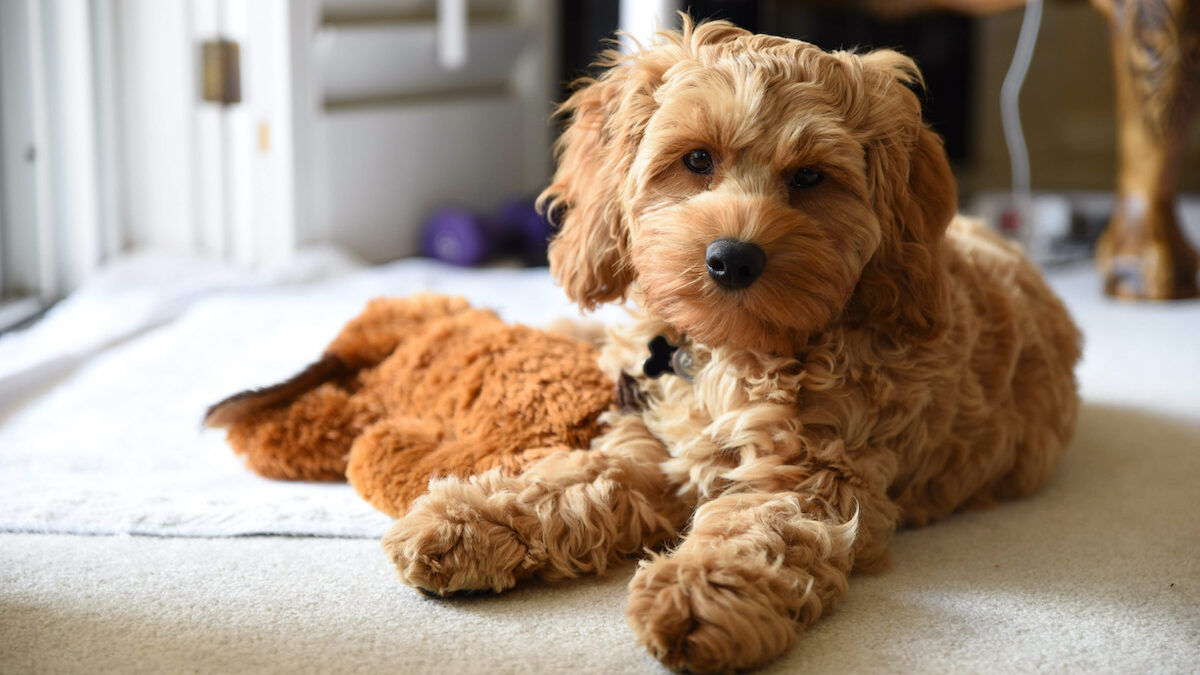
In France, small dogs adapted to life in apartments are attracting more and more families. Among them, the Cockapoo, resulting from the cross between a Cocker Spaniel and a Poodle, is enjoying real success. Its plush physique, its sociable temperament and the reputation of its coat, often presented as more suitable for people with allergies, make it one of the most sought-after dogs. Puppies are sometimes sold for between 1,500 and 2,000 euros and waiting lists are growing.
But for British veterinarian Dr Suzanne Moyes, that’s not enough to break down. Interviewed as part of a partnership with Green Pantry, this enthusiasm should not make us forget a reality: adopting a dog also means committing to taking care of your health for more than a decade. According to insurer Waggel, the life expectancy of the Cockapoo is 12 to 15 years.
“You should not give in to all your food whims”
If the Cockapoo is known for being affectionate and close to its owners, it also has a predisposition to certain health problems, starting with… being overweight.
“Small breeds like Cockapoos are particularly popular, not only for their adorable appearance but also for their affectionate and friendly nature. These dogs have great personalities and make excellent companions.”recalls Dr Suzanne Moyes.
But this proximity to their owners can quickly become a trap when the treats multiply.
“This is easily corrected with a healthy, balanced diet and making sure everyone agrees on what the dog should or should not eat.”explains the veterinarian.
She particularly warns against a very common habit: sharing table scraps with your pet.
“While it may be tempting to sneak some food off your pet’s plate, it is one of the leading causes of obesity in dogs, and can, in turn, lead to other health problems like joint problems and diabetes.”she insists.
In a small dog, a few extra kilos are enough to significantly increase the stresses placed on the joints.
A joint disease that can be made worse by being overweight
Among the conditions that concern veterinarians is hip dysplasia, a condition of genetic origin that causes poor joint formation and can lead to pain, lameness or difficulty moving.
“Hip dysplasia is a problem that can be made worse by obesity. Although joint disorders like hip dysplasia cannot always be prevented, there are many things we can do to help.”underlines Dr Suzanne Moyes.
To limit the risks, she recommends monitoring weight from an early age and maintaining regular physical activity, adapted to the puppy’s growth.
“For example, try to ensure they get regular exercise, and you may want to consider complementary treatment approaches like hydrotherapy or laser therapy.”she adds.
Specialists also point out other frequent fragilities in this crossbreed, notably dislocations of the patella, ear infections, favored by its long drooping ears, as well as certain eye problems. Problems that can require regular care and represent a significant veterinary cost over the years.
Essential checks before adopting
Unlike many breeds, the Cockapoo is not officially recognized by international dog authorities. There is therefore no single standard imposing systematic screening of breeding animals.
Specialized associations, such as the British Cockapoo Society, however, recommend checking that the parents have been tested for the main hereditary diseases: hip dysplasia, luxation of the patella, eye diseases or even a history of diabetes.
Before reserving a puppy, it is therefore advisable to request breeding certificates and to choose a breeder who is transparent about the health monitoring of his animals.
Once the Cockapoo arrives home, a few simple actions can help preserve its health:
- Check your weight regularly;
- Weigh your rations;
- Clean your ears to limit the risk of ear infections;
- See a veterinarian promptly if there is lameness or difficulty jumping.
A first health check in the weeks following adoption also constitutes a good basis for supporting this four-legged companion throughout his life.