
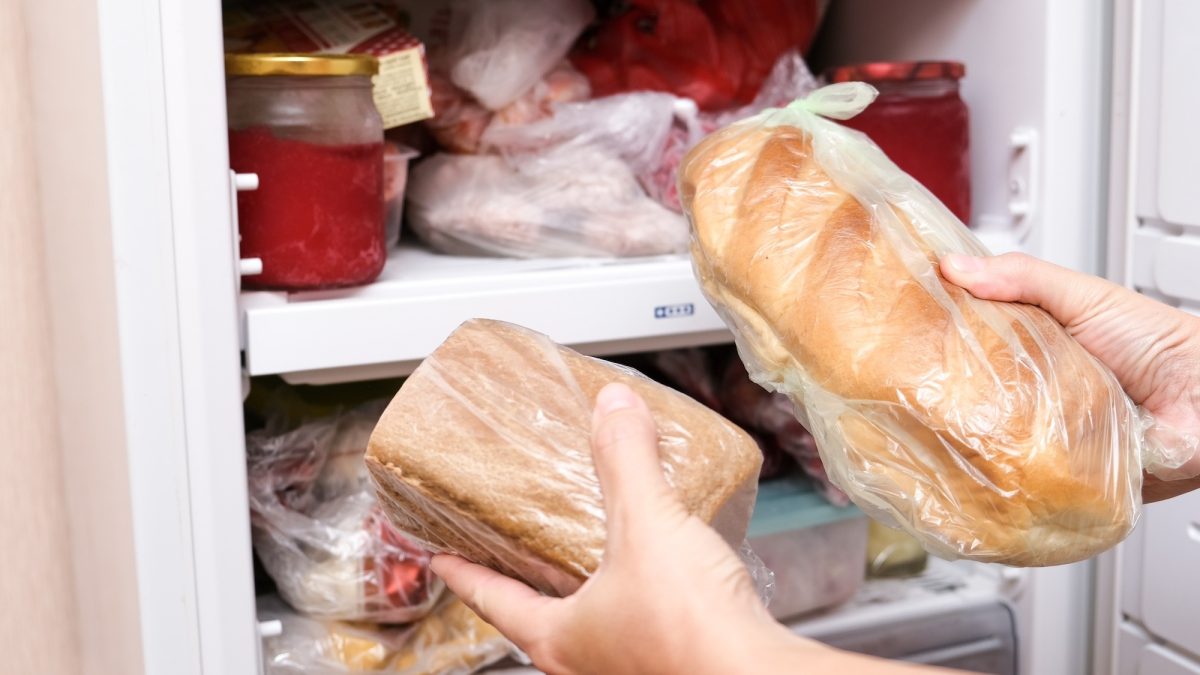
Freezer burn: what your damaged frozen food reveals about your freezer
Do white or grayish spots appear on your meat, poultry or vegetables? Their surface appears dry and their texture hard? It could be freezer burn.
According to the Marmiton website, this phenomenon appears when food is poorly protected. The air then comes into contact with the product and dehydrates its surface.
The newspaper states: “Freezer burn is often a sign that your food is not packaged properly.”
But if you use freezer bags and expel the air properly, these marks can also signal a temperature that is too low or unstable.
Too much frost: when ice signals a poorly adjusted freezer
A thick layer of frost in the drawers or on the walls can reveal humid air entering or poor cold distribution.
The Marmiton website reminds us that “this layer can block air vents and sensors.” The temperature is then less well regulated and electricity consumption can increase.
For example, just 2 mm of frost can increase consumption by around 10%. It is therefore necessary to defrost the appliance and check the door seal.
How to adjust your freezer to no longer damage your frozen foods
The first reflex is to check the real temperature with a suitable thermometer. The VIDAL website recommends placing it in the center of the freezer until the appliance stabilizes.
The recommended temperature is approximately -18°C. At 0°C, food is not cold enough for long-term storage in the freezer.
Also be sure to let cold air circulate. To do this, clear the ventilation openings, do not stick food against the bottom and avoid overloading the drawers.
If the frost returns quickly despite these precautions, a breakdown may be the cause. The Marmiton site mentions in particular “A problem with the thermostat or a faulty evaporator fan.” A professional can then check the device.