
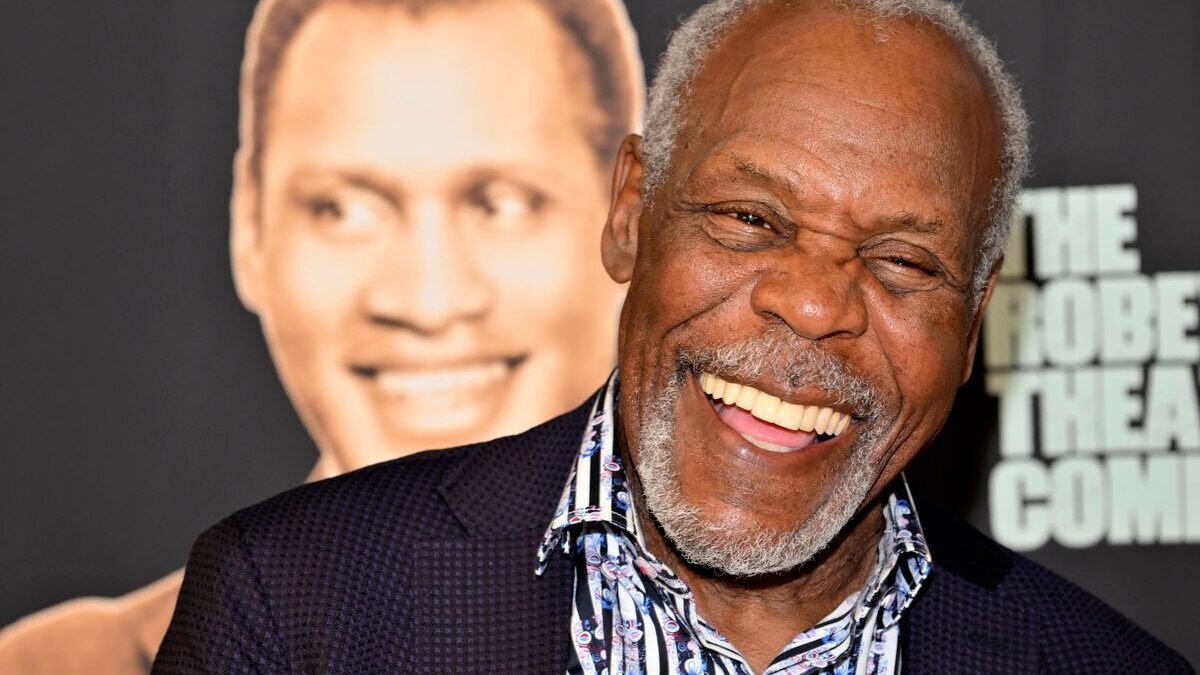
Danny Glover has decided to no longer hide his illness. At 79 years old, the American actor revealed that he suffers from Alzheimer’s disease and explains that he suffers from memory problems, speech difficulties and mobility problems. A rare speech, which also highlights an often feared stage: that of announcing to loved ones.
Because behind each diagnosis, there is a conversation that “many fear”, recognizes Pascal Anger, psychologist. Here’s how to find the right words and, perhaps, a little comfort.
Faced with such an announcement, loved ones often feel helpless
Receiving a diagnosis of Alzheimer’s is obviously upsetting for the person affected. But the shock is not just individual! Spouse, children, brothers, sisters, close friends… everyone around them is confronted with a reality that they had not anticipated.
“The announcement of a serious illness is always traumatic, both for the person concerned and for their family”indicates Pascal Anger. “Embarrassment, unease, stress… a certain number of feelings plunge the patient and his family into a form of failure and helplessness.”
At this point, many are looking for answers. How will the disease progress? When will the person truly be “affected”? How to help? However, before planning, it is often necessary to understand what is happening.
“You must first become well informed about the illness, try to see with the specialists around the patient what it is like. How can we best support them? The idea here is not to feel caught off guard… and to understand how it will be managed. It is also important to get information from other patients“, says the specialist.
In other words, it is not necessary to have already understood everything about the illness before talking about it to those close to you. On the other hand, quickly surrounding yourself with professionals and associations often allows you to avoid being left alone with your concerns.
Various reactions
When you are diagnosed with Alzheimer’s disease, the shock is often difficult to cope with. Some loved ones need to talk about it right away. Others prefer to take a little time before broaching the subject. But faced with such a diagnosis, reactions are rarely linear. Everyone receives the news differently.
“When the news breaks, we often witness a phase of astonishment. Some are in denial, others in revolt… This time of announcement is always a little complicated. We often wonder what we are going to put in place for this sick parent… when we cannot control everything“, confides the practitioner.
What posture should you adopt, then? Wanting to reassure at all costs is not always the best solution. “It’s better to listen to the person and their needs, without anticipating them,” assures Pascal Anger.
Then, on the caregiver’s side, anger can arise at any time. “Being supported in your fears and fears is therefore important.”
The worst reflex: act as if nothing happened
For the psychologist, a mistake often comes up when illness invades our privacy: believing that it is better to say nothing to protect those close to us. However, silence generally feeds fears more than it calms them.
Continue to live…and continue to communicate
Once the shock has passed, another reality emerges: that of everyday life. You have to review certain habits, agree to ask for help and learn to move forward differently, without reducing the person to their illness.
“In this context, it is interesting to have other points of view on the illness and on how to be supported. Then, we will have to adapt daily life to this new reality, by rearranging everyone’s time“, recognizes Pascal Anger.
The caregiver’s mental health should also be closely monitored, as they may go through a phase of depression. This is why support from loved ones, friends and other caregivers is essential.
Then, no taboo should persist. “We need to talk about the illness. And also discuss this famous support to be given to the patient, as well as the way in which we will organize ourselves“, concludes the specialist.
By choosing to make his illness public, Danny Glover also shows the importance of being able to count on those around him. “They are there for me“, he confided, speaking fondly of his loved ones.
Because putting words to what we are going through often allows us to no longer carry this burden alone…