
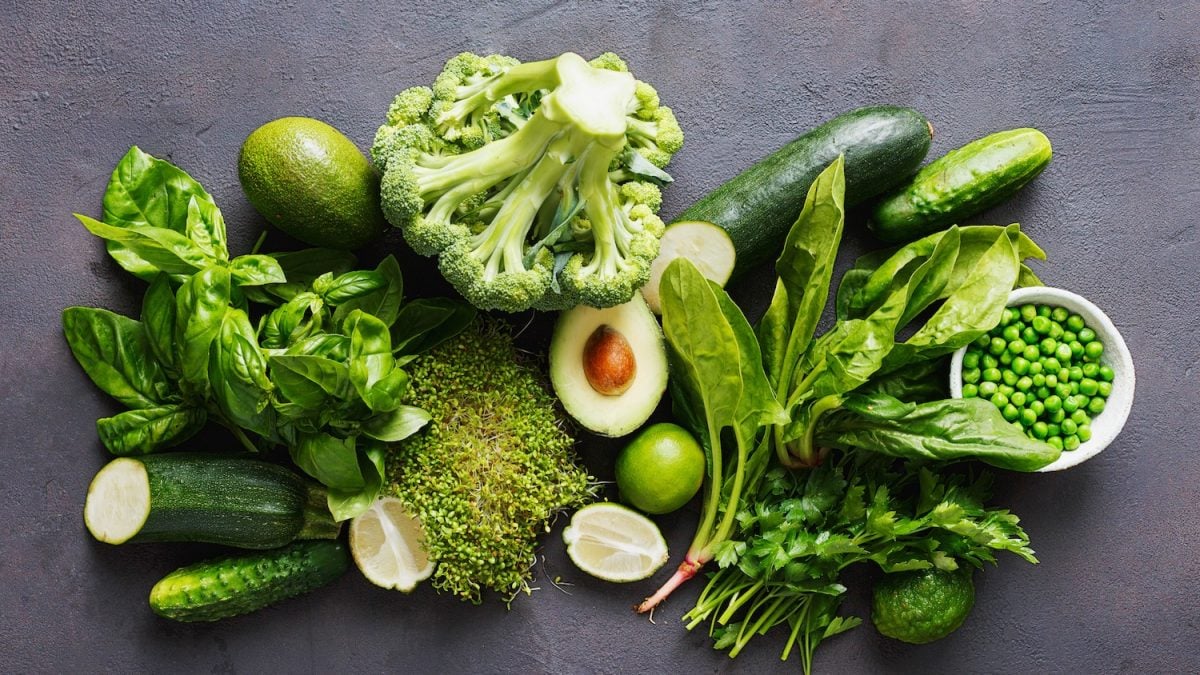
When living with type 2 diabetes or prediabetes, the contents of the plate can help better control blood sugar levels. Certain vegetables, low in carbohydrates and naturally rich in fiber, can thus become valuable allies.
Which vegetables should you choose when monitoring your blood sugar?
Let’s start with the spinach. Very low in carbohydrates, they also provide fiber, magnesium and potassium. The Times of India website states that one cup of raw leaves contains about 1 g of carbohydrates. French data from the Anses Ciqual table also shows that green leafy vegetables generally contain less than 2 g of carbohydrates per 100 g.
Broccoli and cauliflower then make it easy to vary the pleasures. These two vegetables from the cruciferous family are low in carbohydrates and provide fiber. Broccoli also contains sulforaphane, a compound that is being researched for its various biological effects. This is not, however, an “anti-diabetes” food, but an interesting vegetable to include regularly in a varied diet.
Peppers, red, yellow or green, come next. They provide few carbohydrates while giving taste, color and crunch to a dish.
Green beans also have their place. Their name can be confusing: unlike dried beans, they are considered non-starchy vegetables and provide relatively few carbohydrates. They can therefore easily replace some of the side dishes richer in carbohydrates.
Why are fibers interesting?
This low carbohydrate content is not their only advantage. Fiber also plays an interesting role when trying to better control blood sugar variations. In particular, they slow down the digestion and absorption of carbohydrates, which can help prevent blood sugar from rising too quickly after a meal.
This is why vegetables like broccoli, cauliflower, green beans and spinach have their place in a balanced plate. They provide volume and can contribute to satiety, while remaining low in carbohydrates.
It remains to be seen how to distribute them. Recommendations from the Centers for Disease Control and Prevention and the American Diabetes Association suggest a very simple method: devote about half the plate to non-starchy vegetables, a quarter to a protein source and the last quarter to a carbohydrate source.
How to easily integrate them into meals?
This rule allows you to compose simple meals without having to calculate each gram of carbohydrates. You can, for example, prepare fried spinach with garlic, add steamed broccoli and a few strips of pepper, then complete with fish or chicken and a suitable portion of starchy foods.
Green beans can accompany meat or fish, while cauliflower can replace part of the potatoes in a mash. The idea is therefore not to eliminate starchy foods, but to give them a proportionate place on the plate.
And above all, no vegetable alone is enough to “control” diabetes. These eating habits can support the management of the disease, but they do not replace prescribed treatment or personalized advice from a doctor or dietitian.