
The morning of November 24, 2025 turned into horror for the Foch nursery school in Poissy, in Yvelines. During a motor skills lesson, a three-year-old child suddenly felt unwell.
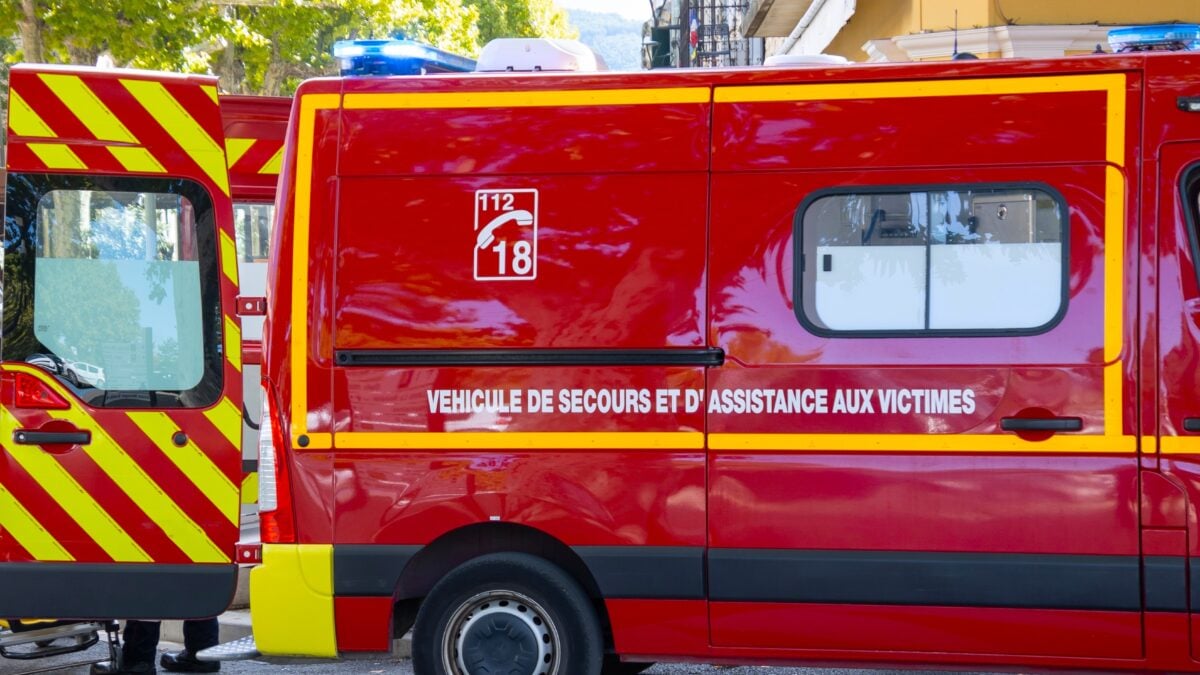
The teachers immediately raised the alarm and the firefighters arrived at 9:30 a.m. A SAMU team intervened, but the child was declared dead “shortly after 11 a.m.”, according to The Parisian.
The discomfort was linked to an acute asthma attack which progressed into cardiac arrest, a dramatic sequence that is even more dazzling in toddlers. Around a hundred children who witnessed or were exposed to the scene were taken care of by a medical-psychological unit set up at the end of the morning.
Another possible and close cause: bronchiolitis. Bronchiolitis is a viral infection of the small bronchi which causes coughing, respiratory congestion, rapid and often wheezing breathing in infants under 2 years of age, which can progress to respiratory distress. It is caused in 70 to 80% of cases by the respiratory syncytial virus (RSV).
A city in shock after the announcement of the death
Immediately alerted, Mayor Sandrine Dos Santos went to the site. “It is with deep sadness and immense emotion that we learned of the death of this very young Pisciacais. In this terrible moment, our thoughts are first and foremost with the child’s family and loved ones, who can count on the full support of the community.” she wrote in a press release.
“I also have a thought for the school director and her teams, for the emergency services and for the city agents who immediately mobilized and took all necessary measures.. Before presenting his most “sincere condolences” to the family and loved ones of the child.
Severe acute asthma: how can a simple episode become fatal?
The death of a child in the middle of school raises a major question: how can an asthma attack cause cardiac arrest? Consulted, Dr Gérald Kierzek explains the mechanisms at play in severe acute asthma. “Severe acute asthma can completely develop into cardio-respiratory arrest, particularly in children, due to progressive asphyxia or hemodynamic collapse.”
When the attack is severe, the obstruction of the bronchi becomes massive.
“In this context, bronchospasm, edema and mucous plugs cause massive obstruction of the bronchi. They lead to profound hypoxia, hypercapnia associated with acidosis, and can lead to cardiorespiratory arrest of hypoxic origin” describes the doctor again.
The thorax can also “block” under the effect of trapped air, aggravating the situation. “Thoracic distention can also hinder venous return to the right heart, reduce cardiac output, or even be complicated by pneumothorax or hypotension, further increasing the risk of cardiorespiratory arrest.
And the most serious thing remains that in children, the progression can be extremely rapid, sometimes within a few minutes.
What signs should alert you immediately?
According to Dr. Kierzek, a life-threatening asthma attack presents several warning signs.
“The warning signs of potentially fatal asthma include very intense dyspnea, marked drawing, inability to speak, agitation followed by confusion, a “silent chest” on auscultation, cyanosis and respiratory exhaustion with impaired alertness. The progression can be dramatic, within a few minutes, particularly in children or in the absence of rescue treatment such as bronchodilators, corticosteroids or oxygen.”
So what should you do immediately if a child has a severe asthma attack? Dr Kierzek details the essential actions depending on the child’s condition.
- If the child is conscious and still breathing : “You must place him in a sitting position, reassure him, help him to quickly use his emergency bronchodilator (salbutamol) if he has one, monitor his condition and immediately call 15, 112 or 18 if the breathing difficulty is severe or does not improve quickly.” ;
- If the child loses consciousness or no longer breathes normally : “You must call emergency services immediately – or have them called – and begin cardiopulmonary resuscitation.”
How to perform resuscitation (CPR) on a child?
To be able to resuscitate a child, it is essential to know first aid procedures. Dr Kierzek recalls the procedure to follow, in detail.
“Cardiopulmonary resuscitation in children is based on external cardiac massage in the center of the thorax, at a rate of approximately 100 to 120 compressions per minute, associated with insufflations (30 compressions for 2 insufflations) if we know how to perform them, until effective breathing returns or treatment by emergency services. he explains first.
“During cardio-respiratory arrest linked to an asthma attack, the cause is most often respiratory. Ventilations are then of particular importance, in addition to compressions.” adds our emergency doctor.
What treatments are used? “Specialized care combines high concentration oxygen therapy, bronchodilators, corticosteroids, sometimes adrenaline, assisted ventilation and treatment of possible complications — pneumothorax or collapse, in the pediatric intensive care unit.“concludes the doctor.