
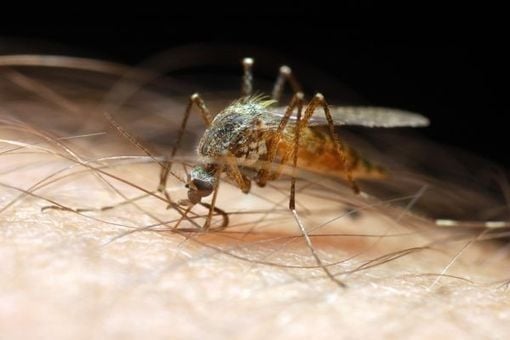
The proliferation of mosquitoes and the multiplication of cases reveal a new health reality. Between warmer climate and international trips, the ideal conditions are met for these viruses to settle.
Towards a new normality for Europe
The figures set the tone: 335 cases of Western Nile virus were reported on August 13, 2025 in eight European countries, causing 19 deaths. Italy alone concentrates 274 cases, but France is not spared, with seven confirmed infections. Even more worrying, a case of local chikungunya has been reported in Alsace – a first at such a high latitude.
Pamela Rendi-Wagner, director of the ECDC, sums up the situation: “Europe is entering a new phase: the longer, more widespread and more intense transmission of diseases transmitted by mosquitoes becomes the new standard “.
Mosquitoes vectors of chikungunya (Aedes albopictus, known as Mosquito Tigre) are now present in 16 European countries and 369 regions, against only 114 ten years ago. In parallel, Europe recorded 27 households from Chikungunya in 2025, unheard of.
The climate, main guilty of the spread of mosquitoes
If the mosquitoes advance north, it is no coincidence. Longer summers, milder winters, more irregular rain … Climate change modifies the habitat of insects and allows them to reproduce faster and longer. Result: the transmission season is stretching, the geography of cases widens and the density of mosquitoes explodes.
This cocktail is aggravated by the intensification of international trips, which promotes the import of tropical viruses. As Céline Gossner explains, section of section at the ECDC: “As the landscape of diseases transmitted by mosquitoes is evolving, more and more people in Europe will be threatened in the future. This makes prevention more important than ever, both by a coordinated public health action and by personal protection measures. It is urgent to strengthen and intensify effective and environmentally friendly interventions to combat mosquitoes “.
Protect yourself: the right reflexes to adopt
Faced with this growing risk, ECDC publishes new prevention orientations and recalls that personal protection remains the first barrier. REFULSIFICS, LONG LIGHTS, MOUSTICAURES TO Windows, Air conditioning and increased vigilance at dawn and at dusk are all means to reduce bites.
To limit the multiplication of mosquitoes, it is advisable to:
- Eliminate saucers or regularly empty the stagnant water, renew the water from flower vases two to three times a week (or opt for earth plants or fill the saucers with wet sand);
- Cover the rainwater tanks and the wells with a mosquito net or a fabric;
- Protect the overflow of tanks in the same way;
- Ensure the good condition of the gutters, gutters, rainwater looks and good flow of waters in general;
- Get rid of all waste, bulky and various objects that can be used as containers around the house (bottles, tires, trays, cans, etc.).
To avoid mosquito bites, it is recommended to:
- Wear long and loose clothes;
- Apply a skin repellant, especially in the morning and in the evening, advised by a pharmacist, on exposed skin areas;
- If necessary, install mosquito nets on the openings (doors and windows);
- Use cradle mosquito nets for infants;
- Use electric diffusers inside the dwellings;
- Use insecticide serpentines only outside;
- Use air conditioners or fans that disrupt mosquitoes.
Finally, it is crucial to quickly consult your doctor in case of evocative symptoms (high fever, muscle or joint pain, eye pain, fatigue, headache …).
These daily gestures, combined with the surveillance and struggle plans led by the health authorities, can limit the spread of virus now installed in Europe.