
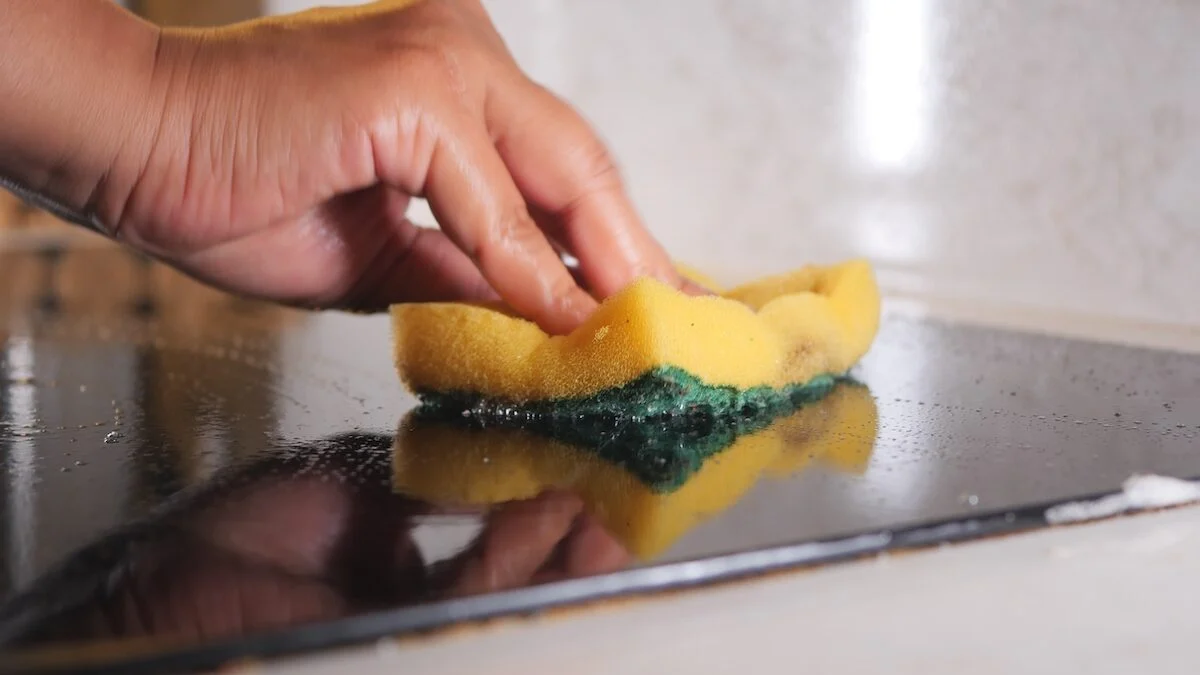
A kitchen sponge can quickly accumulate bacteria and contaminate the surfaces it touches. In a video posted on Instagram, Dr Océane Sorel, doctor in virology and immunology, shares a quick method for disinfecting it in the microwave, while reminding us of an important precaution.
A veritable nest of microbes
The sponge used every day for dishes or surfaces can end up accumulating microbes. Dr Océane Sorel therefore insists on the importance of not neglecting this very common accessory in the kitchen.
For reusable sponges, the specialist recommends favoring models capable of withstanding washing at a minimum of 60 degrees.
“A washable sponge can be washed at 60 degrees to be truly disinfected. Otherwise, it’s like cleaning with trash juice.“
Dr. Sorel also highlights the risk of letting a poorly maintained sponge become a real “microbe incubator“. The objective is therefore to limit the presence of bacteria on this accessory before it is used again in the kitchen.
How to disinfect a sponge in the microwave in 2 minutes
For a disposable sponge, the expert suggests a particularly quick method. Simply follow several steps before starting the microwave:
- Rinse the sponge thoroughly;
- Soak it with water;
- Place it in the microwave;
- Heat it for two minutes at maximum power.
This method allows you to disinfect the sponge without waiting for a wash cycle. The duration is precisely two minutes, with maximum power.
No to metal sponges!
One precaution, however, completely changes the situation: the sponge must never contain metal. Metallic sponges or those with metallic elements are therefore excluded from this method.
The procedure presented is based on a very short routine: a rinsed sponge, properly soaked in water and two minutes in the microwave at maximum power, provided that it does not contain any metallic elements.