
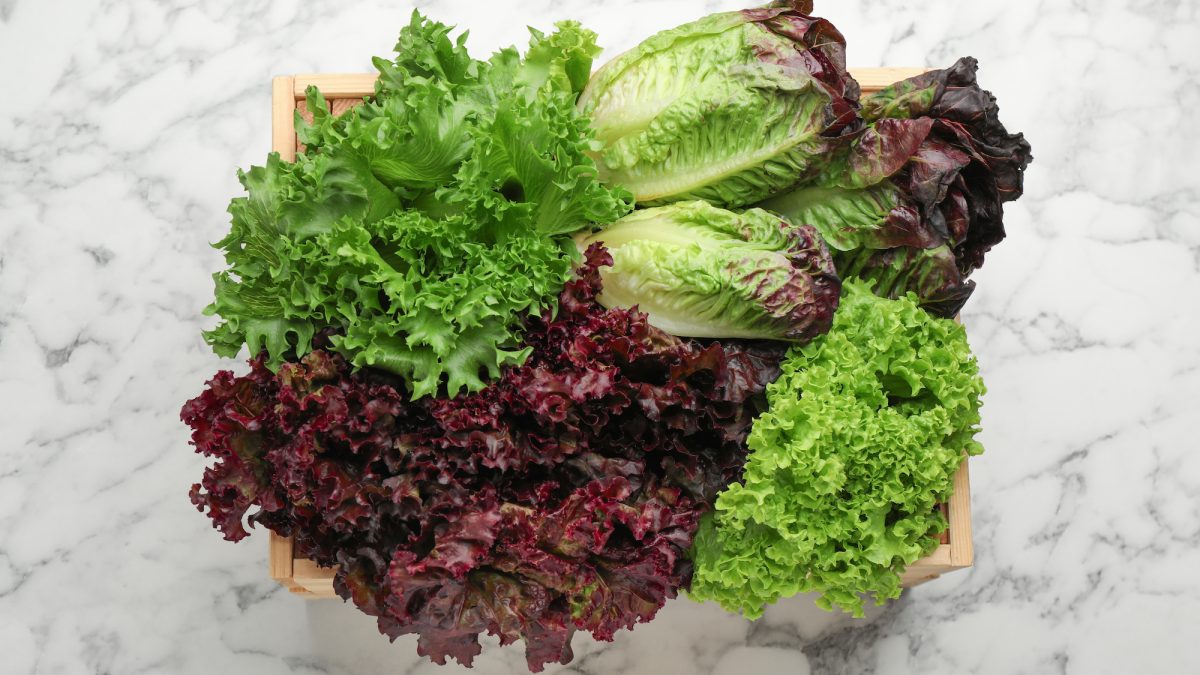
The sun is beating down, the temperatures are rising… and so are the desires for freshness on the plate. In summer, green salads become the queens of our lunches: easy to prepare, light, and often considered healthy. But be careful, not all are equal, and some are even strongly discouraged if you are looking to do good for your body.
Why some green salads are unhealthful
They are practical, inexpensive, available everywhere, and their mild taste pleases even the most reluctant. However, sucrine and iceberg, both classified among the so-called “head” salads, are not the health allies you might think. The reason? Their mode of growth.
Nathalie Majcher, dietitian-nutritionist, in the columns of Vie Pratique Féminin, highlights a major flaw: “The problem with iceberg and sucrine is their low exposure to light due to their tight leaves. This characteristic limits the development of nutrients and antioxidants essential to our health.“.
Result: these salads contain fewer vitamins (notably A, C and K) and minerals than other varieties with more airy leaves. A disappointment for those who thought they were making the right healthy choice by including them in their summer dishes.
A nuanced opinion: they are not “bad”, but poor
Should we then completely ban sugar and iceberg from our plates? Not so fast. Alexandra Murcier, also a dietitian, calls for nuance: “They remain a source of vegetables, and therefore fiber, which helps limit the glycemic index of meals and improve intestinal transit.“.
In short, these salads are not harmful to your health, but their nutritional contribution is very limited. “They don’t provide many vitamins and minerals“, she adds. It is therefore better not to make it the sole basis of your diet, especially if the objective is to strengthen your immune system or fill certain deficiencies.
Salads to choose to stock up on nutrients
To vary the pleasures without sacrificing nutritional quality, several alternatives are recommended by experts. They are distinguished by their richness in vitamins, antioxidants and trace elements. Here are those recommended by dietitian Alexandra Murcier:
- The lamb’s lettuce: “Rich in vitamin A, excellent for eyesight, it also contains vitamin C and vitamin B6 useful for energy metabolism” ;
- The rocket: “A source of vitamin K essential for coagulation, it is also very rich in flavonoids, which reduce the risk of cancer, and in lutein, a powerful antioxidant.” ;
- Baby spinach: “Rich in vitamin B9, essential for fertility, they also contain magnesium, beneficial against stress, and vitamin A.“.
The key, as often in nutrition, remains in diversity: “The more we vary our food intake, the more we cover our vitamin and mineral needs.“, concludes the expert.