
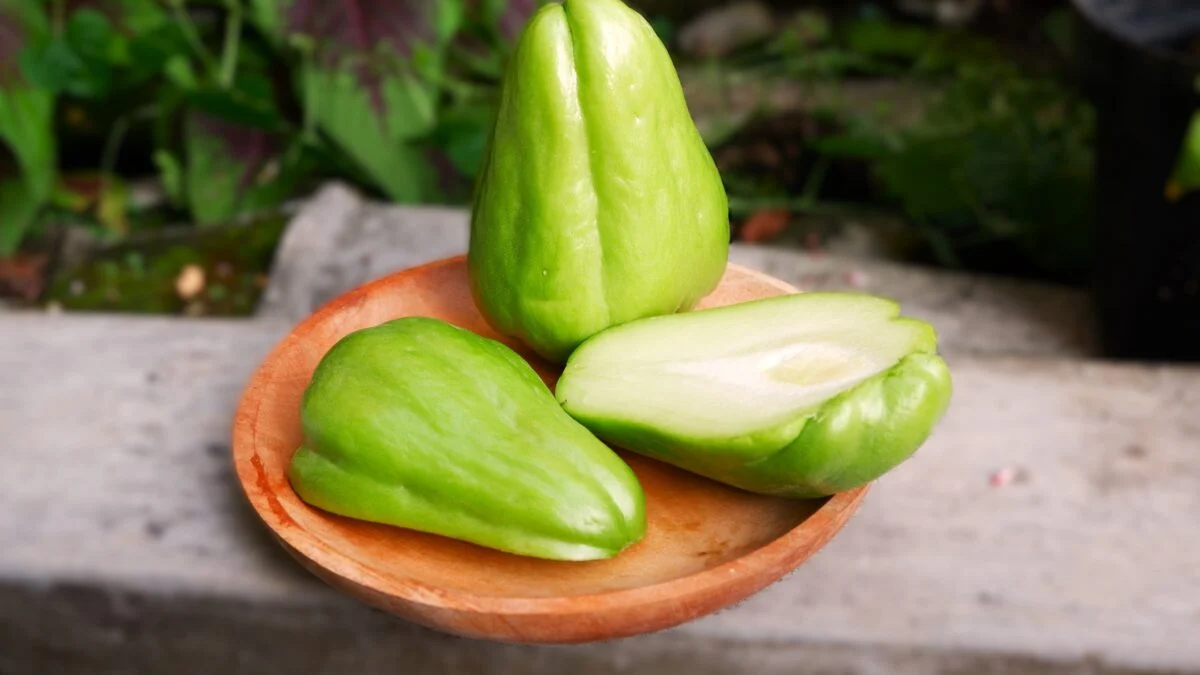
Do you know chayote, this botanical curiosity with multiple nutritional and taste facets, native to Central America? This fruit vegetable, also called christophine or chouchou, never ceases to surprise with its many virtues. Let’s discover together everything there is to know about chayote: from its nutritional values to its use in cooking, without forgetting its beneficial impacts on health.
Origins and history of the chayote
Chayote is a fruiting vegetable that belongs to the Cucurbitaceae family, along with squash and cucumbers. It is native to Central America, particularly Mexico where it has been cultivated for millennia by pre-Columbian civilizations. The globalization of trade after the discovery of the New World allowed its introduction to Asia, Africa and Europe, where it was adapted to various local cuisines.
Characteristics of the chayote
The chayote is recognizable by its bumpy pear shape and its pale green, sometimes spiny skin. Its white flesh is crunchy and its taste, mild and slightly sweet, is reminiscent of zucchini. It can be eaten both raw and cooked, making it a very versatile ingredient in the kitchen.
Nutritional properties of chayote
| Nutritional values | For 100g of boiled chayote |
|---|---|
| Calories | 15.5 calories |
| Water | 93.4g |
| Proteins | 0.62g |
| Carbohydrates | 2.29g |
| Lipids | 0.48g |
| Fibers | 2.8g |
| Calcium | 13 mg |
| Potassium | 173 mg |
| Magnesium | 12 mg |
| Vitamin C | 8mg |
| Vitamin B9 | 18 mcg |
Health Benefits of Chayote
- Improved digestion: Rich in fiber which stimulates intestinal transit and helps regulate blood sugar.
- Strengthening the immune system: Significant contribution of vitamin C and antioxidants such as carotenoids and flavonoids.
- Cardiovascular health: Contains potassium, phytosterols and fiber beneficial for regulating blood pressure and reducing cholesterol.
- Protection of bone health: Calcium and magnesium intake.
Practical guide: Conservation and cooking
Chayote conservation
Chayote is ideally stored in the refrigerator, in a perforated bag to maintain its freshness, for approximately 1 to 2 weeks. It can also be blanched and frozen for extended storage.
Cooking: maximizing the benefits
Its firm, crunchy texture makes it an excellent choice for stir-fries, stews and salads. To best preserve its nutritional properties, it is recommended to cook it in water or steam and combine it with citrus fruits or fresh herbs to enhance the flavors and optimize the health benefits.
What is the origin of the chayote? The chayote is native to Central America, particularly Mexico.
What are the benefits of chayote? It is beneficial for digestion, the immune system, cardiovascular and bone health.
How to store chayote? It can be stored in the refrigerator or can be blanched and then frozen.
How can chayote be cooked to preserve its benefits? It is ideal cooked in water or steamed, and can be combined with citrus fruits or fresh herbs.
Thus, chayote, due to its many virtues, deserves to be integrated into our diet. Its richness in nutrients and fiber, as well as its low caloric intake, make it a great ally for our daily well-being.