
Long ignored, the
intestinal microbiota has become the new obsession of doctors and researchers alike. This collection of bacteria, viruses and yeasts which lives in our digestive tract forms an organ in its own right, still invisible on x-rays but decisive for our digestion, our immune defenses and even our morale.
It hosts tens of trillions of microorganisms, weighs around 1 to 2 kg, brings together up to 1,000 different species and contains almost 150 times more genes than our genome. In other words, maintaining your microbiota is no longer a detail, especially when 80% of our immune system is concentrated in the intestine. It remains to be seen how, very concretely, to take care of it every day.
Intestinal microbiota: a discreet but central organ for health
In our colon, these microbes transform fiber into short-chain fatty acids, substances that nourish the intestinal wall and help limit inflammation. They also produce certain vitamins, maintain a barrier against dangerous bacteria and continuously communicate with our immune cells. The balance of this small world therefore directs our risk of metabolic or cardiovascular diseases.
When this microbiota becomes disrupted, we speak of dysbiosis: bloating, gas, diarrhea or constipation can appear, but also outbreaks of eczema, acne, fatigue or low mood. Work carried out on supercentenarians suggests that their longevity is only about 10% due to their genes, compared to 90% to their lifestyle, closely linked to a diverse and stable microbiota.
On the plate, maintain your intestinal microbiota every day
To nourish this system, the dieticians interviewed recall the importance of fibers. According to Lauren Manaker, cited by the media The Skimm, and Eating Well, these foods
” promote digestion, nourish healthy intestinal bacteria and ensure the proper functioning of the body“. Vegetables, fruits, whole grains and legumes should therefore appear at every meal.
THE
prebioticsrich in soluble fiber,
“They serve as food for intestinal bacteria and help them to develop”says Taylor McClelland, who recommends onions, bananas, artichokes or asparagus.
Good bacteria also like
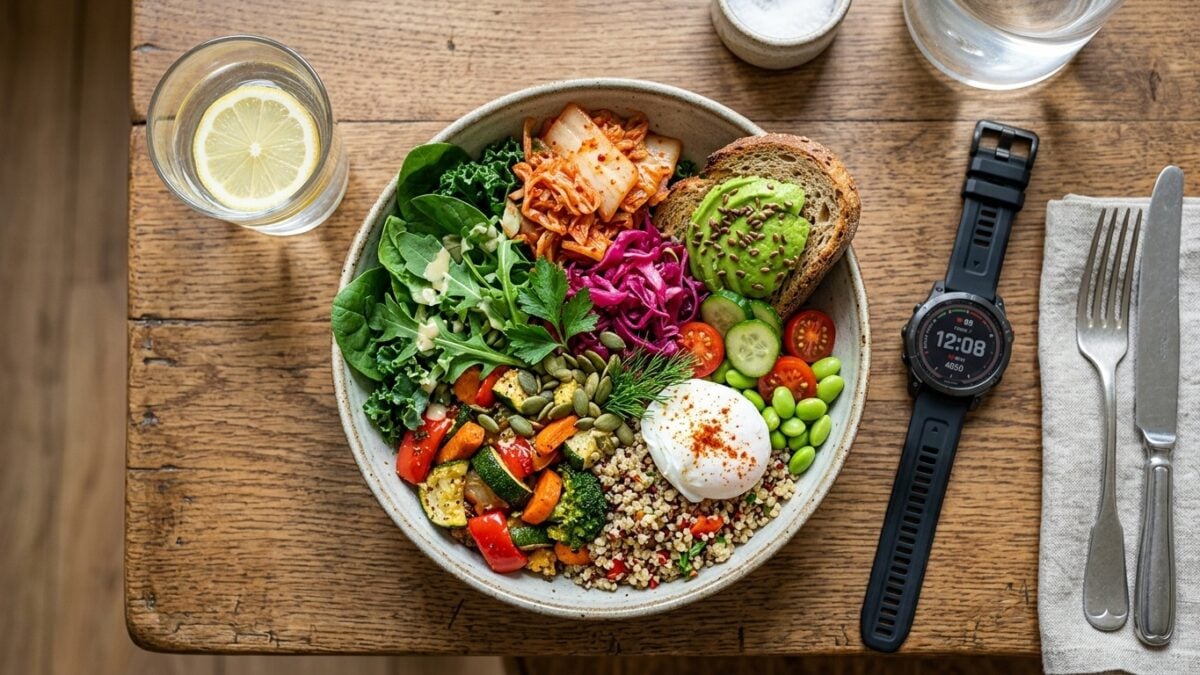
probiotics provided by fermented foods: yogurt, kefir, sauerkraut, kombucha, kimchi or miso paste.
Conversely, specialists advise limiting
ultra-processed foodsvery rich in sugars, saturated fats and additives. “These properties can have a negative effect on the balance of bacteria in our gut microbiome,” warns Samantha MacLeod. Kayla Farrell, also quoted by the media, recommends “avoid artificial sweeteners”, “associated with disruption of the digestive tract”. She also recalls: “A study published in 2024 found that the artificial sweetener neotame (an aspartame derivative) caused cell death and leakage in the intestinal walls”she indicates.
Daily actions: chewing, moving, de-stressing for a healthy microbiota
Another simple reflex: chew well. “The production and release of salivary amylase plays an important role in the very early stages of our body’s breakdown of food,” explains Sam Schleiger, quoted by Marie Claire.
Sufficient hydration, physical activity
regular practice and a few minutes of mindfulness per day support digestion, reduce stress and benefit the gut-brain axis, therefore mental health.