
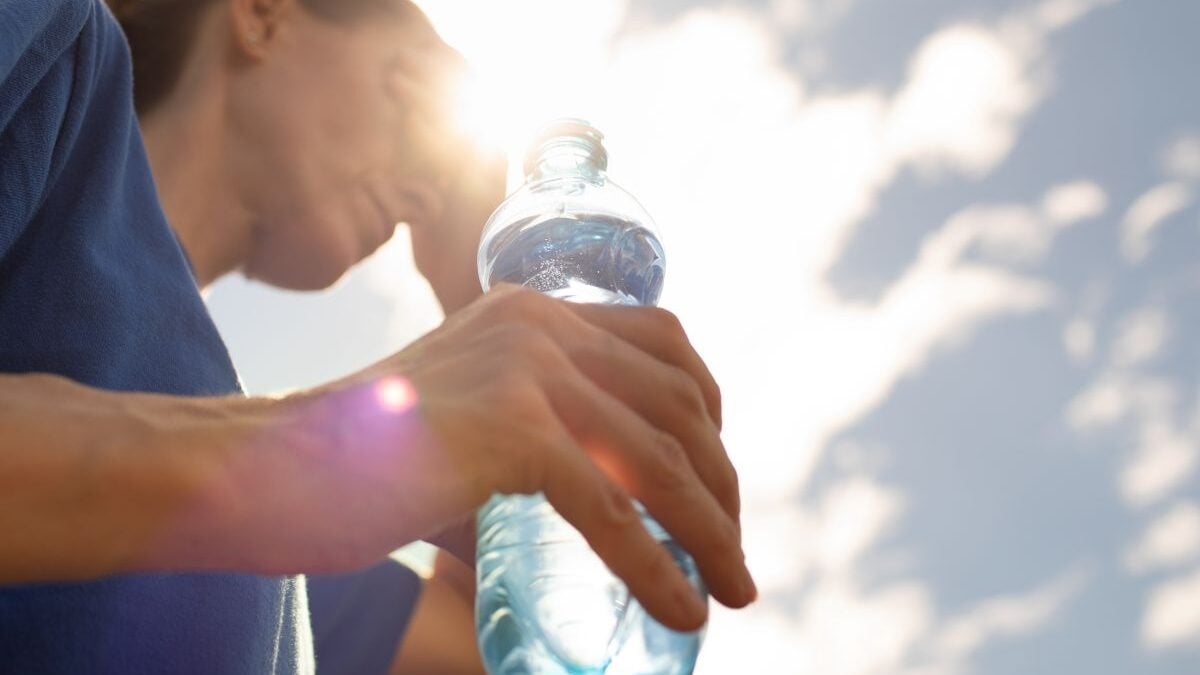
France is facing exceptionally high temperatures for the season. This Monday, May 25, Météo-France extended its alert by placing 18 departments on heatwave yellow vigilance.
Paris and other departments on heatwave yellow vigilance
This alert now includes Paris, the inner suburbs (Seine-Saint-Denis, Val-de-Marne, Hauts-de-Seine) as well as Finistère. Thirteen departments on the west coast had already been affected since the day before (notably Brittany, Pays de la Loire and Centre-Val de Loire).
This is a completely unprecedented event since the national meteorological department specified that “this is the first heatwave yellow vigilance activated in May since the creation of the system” in 2004.
The public establishment describes the situation as “early and remarkable heat episode, affecting the west of the country and inner Paris”. The thermometer is panicking with more than 30°C widespread over almost the entire territory: we expect between 30°C and 35°C in the northern half, up to 36°C in the South-West and the Rhône valley, and around 30°C in the South-East.
Faced with this extraordinary situation, Dr Gérald Kierzek, emergency doctor and medical director of True Medical, explains to us why we need to be extra vigilant now.
Why do we tolerate the heat less well in spring?
The first trap of these spring temperatures lies in our lack of preparation, both mental and physiological. In May, we have not yet completely adopted the automatisms of summer, and our body has not had time to get used to it.
“Unseasonal heat can be more difficult to tolerate, especially at first, because the body is not yet acclimated” confirms Dr. Kierzek.
Beyond the calendar, it is the actual exposure conditions that dictate the danger. “In practice, the danger depends mainly on the intensity, duration of exposure, humidity, wind, physical activity and hydration, not on the month itself!“, insists the doctor.
So don’t rely on the date on the calendar: the health risk is very real and can result in fatigue, headaches, dizziness, dehydration, or even discomfort.
Athletes and outdoor workers: watch out for the first victims
Faced with this generous sun, the temptation is great to get active outside. However, the profiles most at risk during this period are not only the elderly, but also active people and outdoor enthusiasts. Athletes and outdoor workers find themselves on the front lines during these early episodes.
Dr. Kierzek wants to be very clear on this point.
“The risk is not “less serious” because it is May: prolonged exposure to high temperature remains harmful, especially without a period of sufficient coolness”. To avoid drama, it is essential to change your habits today: avoid long outings during the hottest hours, systematically seek shade, take regular breaks and postpone your sports, gardening or DIY sessions until the cooler times of the day.
Rules of caution to adopt now
To get through this peak of heat without any problem, you must apply today the reflexes that you usually impose on yourself in the middle of July. There is no spring exception for safety.
“The good message is: you must protect yourself from the first strong heat events, even in May, as in the height of summer.“, insists Dr. Gérald Kierzek.
To protect yourself effectively, follow these simple measures:
- Drink water regularly, without waiting until you are thirsty;
- It is imperative to avoid alcohol, which aggravates dehydration;
- Stay as much as possible in the coolest rooms of your home;
- Close the shutters and windows during the day, then ventilate at night;
- Limit intense physical efforts as much as possible;
- Wear light, loose, light-colored clothing;
- Protect your head from the sun (hat, cap) as soon as you go out.
What to do if you feel unwell or have a heat stroke?
If, despite these precautions, you witness a heat stroke, you must act quickly. Certain signals are unmistakable: severe weakness, confusion, vomiting, abnormally burning skin or a lack of response to stimulation. Under these conditions, “heatstroke must be considered an emergency“, warns the medical director of True Medical.
Actions that save while waiting for help:
- Immediately move the person into the shade or a cool place;
- Actively cool it: apply damp cloths, use a fan or spray it with cool water;
- Loosen his clothes to make breathing easier;
- Call 15 (Samu) or 112 immediately.
In conclusion, this early and unprecedented heat wave reminds us that our body is particularly vulnerable to sudden variations in the thermometer. Don’t underestimate current temperatures just because the calendar says May. By listening to your body’s signals and applying the precautionary actions recalled by Dr. Kierzek today, you will pass this historic milestone safely. Protect yourself and watch over your loved ones!