
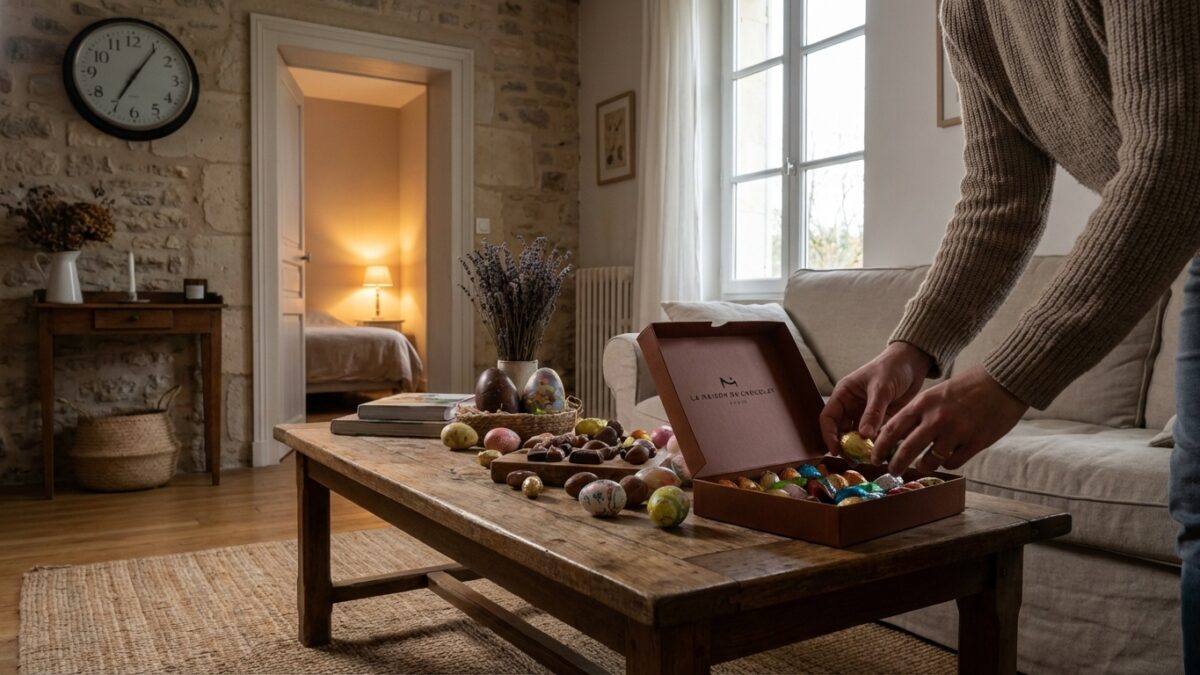
Between the eggs hidden in the garden, the giant rabbits on the coffee table and the gifts from the grandparents, the Easter chocolate quickly invades the house. We snack on it at snack time, then in front of the TV, sometimes until late. Many then wake up more often at night, with the impression that their brain is still celebrating. In The Conversation,
dormant researcher at CQ University of Australia explains it’s not just a question of quantity.
Inside each piece are sugar, caffeine, theobromine and fats, a cocktail that stimulates the body when it should be slowing down to prepare the
sleep. The good news: by adjusting the time, type and dose of chocolate, you can keep your eggs without spoiling your nights.
Why Easter chocolate wakes up the body when night falls
When you eat eggs and fried foods, sugar quickly increases blood sugar levels. The body releases insulin, then the level suddenly drops, with a real surge. Taken in the evening, this yo-yo delays falling asleep and encourages nighttime awakenings, especially if the Easter meal has already been heavy and late.
Cocoa also provides caffeine and theobromine, two molecules that block adenosine, this natural signal of drowsiness. One hundred grams of milk chocolate contains around 20 mg of caffeine and 100 to 300 mg of theobromine. The first acts for another 4 to 6 hours, the second 7 to 12 hours: a big rabbit eaten at 5 p.m. can therefore influence the night of the whole family.
What time to eat your Easter chocolate to sleep well
In the evening, the body digests less well and the return of acid from the stomach to the esophagus becomes more frequent, especially with a fatty food like chocolate. Caffeine and theobromine relax the muscle that closes the stomach, leading to annoying burning in bed. To limit this scenario, specialists often advise avoiding any snacking in the 3 hours before bedtime, or even 4 to 6 hours for people who are very sensitive to caffeine.
In practice, it is better to concentrate the largest portion of chocolate between breakfast and snack. A chocolate dessert at lunch, then a few eggs at the start of the afternoon are not a problem. In the evening, limit yourself to a small portion, around 10 to 20 g, at least 2 to 3 hours before turning off the light.
The right type and dose of chocolate for a peaceful night
Not all chocolates are created equal in the evening. Dark chocolate, rich in cocoa, provides the most caffeine and theobromine: it is better to save it for the morning or lunch. Milk chocolate is a little less stimulating, white almost caffeine-free but very sweet. For children, we reserve the big stuffed subjects for the middle of the day and, after dinner, we favor either a mini egg with milk, or directly a calm ritual like a story or a hot drink without caffeine.