
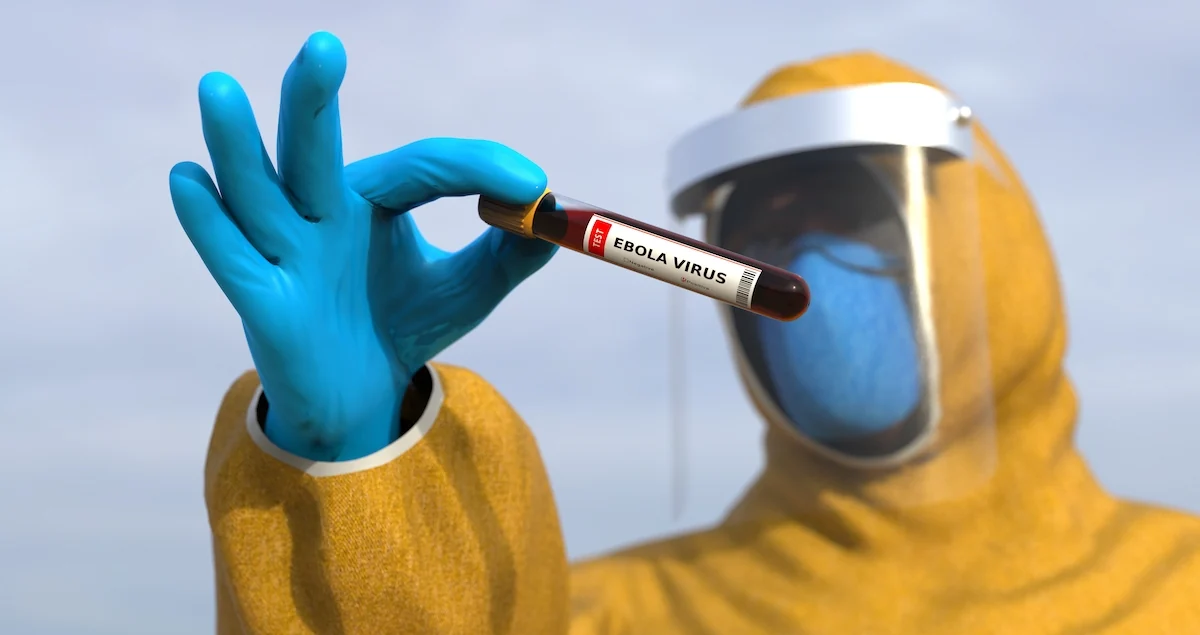
Can a vaccine trial change the course of the Ebola epidemic in the DRC? Yes, but not alone. Tumaini represents a major step forward, but not an immediate solution : without rapid diagnosis, contact tracing and public trust, vaccination cannot break all chains of transmission.
Tumaini accelerates vaccine evaluation, not stopping the epidemic
The current outbreak is linked to the Ebola Bundibugyo virus. According to the WHO, it was declared in the DRC on May 15, 2026 and corresponds to the 17th Ebola outbreak in the country. In its monitoring table, the organization indicated, as of November 3, 2026, 10,668 confirmed cases and 5,198 confirmed deaths in the DRC. These figures correct the divergent press reports and show the extent of a situation that is already very advanced.
The Tumaini trial, launched in Bunia, Ituri, is important because it does not test a single isolated product. It is a phase 2/3 adaptive platform trial: in other words, it allows test several vaccines in the same settingwith a common organization, as candidates become available.
The first challenge is to evaluate Ervebo, a vaccine used against the Zaire species of the Ebola virus, in a different context: Bundibugyo. Preclinical data suggests a possible cross-immune response, but effectiveness against Bundibugyo remains to be proven in humans. Tumaini’s interest is precisely to produce standardized data, not to presume the result.
Two other candidates must also join the trial after recommendation from the WHO: ChAdOx1, developed by the University of Oxford with the Serum Institute of India, and mRNA-1469, a messenger RNA vaccine from Moderna. This diversity illustrates a reality that is often poorly understood: faced with Ebola, the vaccine response is built in stages, between preclinical data, clinical trials, national authorizations and possible deployment.
Time matters. The first clinical results are not expected for several months, while the Ebola epidemic in the DRC is progressing at an exceptional pace. Retrospective data reported around the MSF Bravo cohort suggest a favorable signal in certain exposed and vaccinated people, but they do not constitute proof of effectiveness: they must be confirmed by a clinical trial.
Ring vaccination depends on very robust tracing
In an Ebola epidemic, vaccinating does not just mean having doses. The so-called ring vaccination strategy targets the contacts of a confirmed case, then the contacts of these contacts. To function, it therefore requires quickly find contactsto inform them, to follow them and to offer them vaccination in good conditions.
This is where the terrain becomes decisive. Le Figaro
reports that many new cases were not included in previously identified contact lists, a sign that chains of transmission are still escaping surveillance. Testing delays of up to several days, population mobility and insecurity in eastern DRC also complicate the rapid identification of exposed people.
This point is central to understanding the coordinated response to Ebola in the DRC. The virus is transmitted through contact with bodily fluids of sick or deceased people, making early detection essential. For readers who want to get back to basics, here’s a helpful refresher on the modes of transmission and symptoms of Ebola.
Trust, protected caregivers and surveillance remain essential
The success of a vaccine trial also depends on local acceptance. When distrust, misinformation or fear of treatment centers increases, sick people may delay seeking treatment. This delays diagnosis, exposes loved ones and makes ring vaccination less effective.
Several practical obstacles weigh on the response:
- Identify cases at the first signs and get a test result quickly.
- Inform families without fueling fear or stigma.
- Provide teams with protective equipment and safe working conditions.
- Maintain contact tracing despite travel and insecurity.
The protection of professionals is a key point. Exposed caregivers are part of the populations for which vaccination can have a strong operational benefit, but it does not replace equipment, training, organization of care and security of teams. Attacks on caregivers, unpaid bills or lack of equipment can alone slow down care.
The real issue is therefore not choosing between vaccine and field measures. For a vaccine to really help curb Ebola Bundibugyo, it must be part of a response capable of quickly diagnosing, isolating cases, tracking contacts,
protect caregivers and rebuild the confidence of the inhabitants in health teams.