
No cigarettes, no alcohol, good physical condition: on his medical form, nothing indicated the nightmare experienced by this British man in his fifties. One morning, his left side freezes, he walks with difficulty, his words become blurred. Transported to hospital, he came close to death after suffering a stroke.
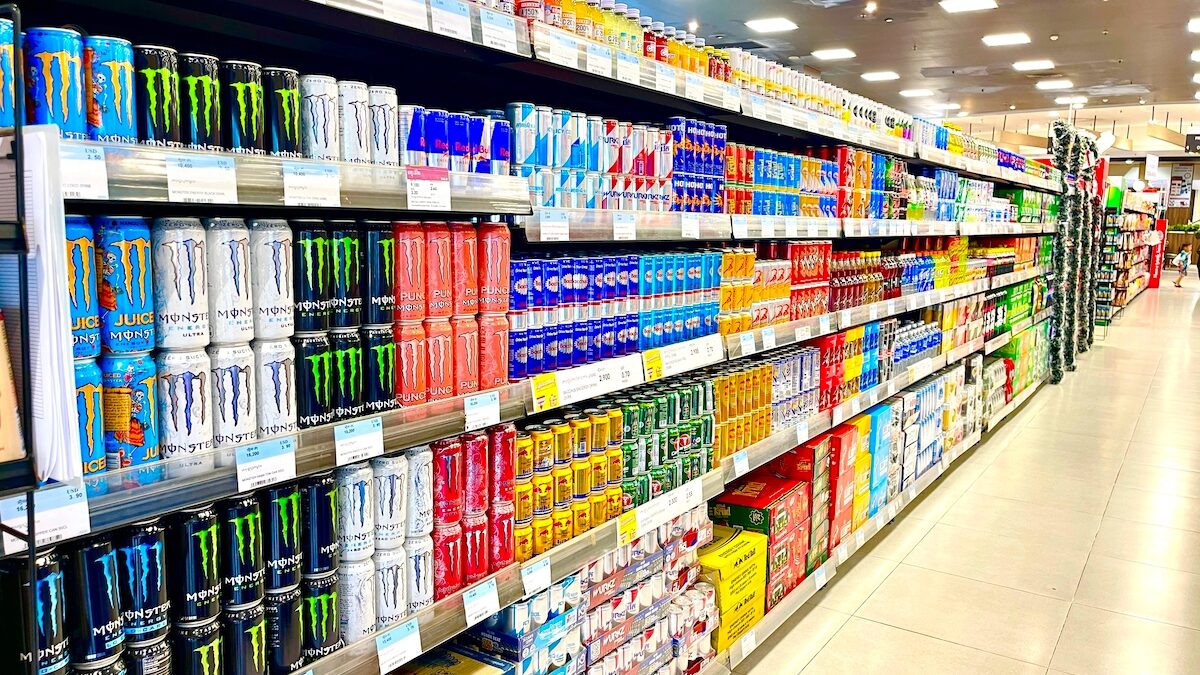
His case, detailed in the medical journal BMJ Case Reportsstill intrigues caregivers: this fifty-year-old, presented as previously in good health, in reality consumed up to eight cans a day of the same drink sold in supermarkets. Energy drinks rich in caffeine, accused of having raised his blood pressure to new heights. Where is the limit before these cans threaten the brain?
A stroke after eight cans
Upon admission, his blood pressure reached 254/150 mmHg, hypertension considered extreme by specialists. Doctors noted a stroke of the thalamus, an area of the brain involved in movement and sensory perception, with sudden numbness on the left side, problems with balance, walking, swallowing and speaking. The man did not smoke, drink alcohol or use drugs.
Antihypertensives initially lower the pressure, but once they return home, the blood pressure rises again. Doctors eventually figured out his diet: about eight energy drinks a day, each with 160 mg of caffeine, or 1,280 mg. After stopping, his blood pressure returned to normal and the treatment was stopped, but the after-effects persist: “I was obviously not aware of the dangers that consuming energy drinks posed to me“, said the patient, before adding “I still have numbness on the left side of my hand and fingers, foot and toes, even eight years later“, in the report.
Energy drinks and tension
For the authors of the case, the key lies in the composition of energy drinks. One can provides an average of 160 mg of caffeine, plus guarana, taurine, ginseng or glucuronolactone, sources of hidden caffeine. “It is possible that both acute and chronic consumption of (energy drinks) increases the risk of (cardiovascular disease) and stroke, and, importantly, that this is reversible.“, write doctors Martha Coyle and Sunil Munshi.
The National Health Safety Agency recalls that these products mix caffeine, taurine, D-glucuronolactone, sugars or sweeteners and plant extracts. In France, more than 200 cases of adverse effects have been reported, with cardiovascular and neurological disorders. For Anses, “The multiplication of sources of caffeine, including so-called energy drinks, combined with current consumption patterns of these drinks is therefore likely to generate risky situations.“.
Limit energy drinks
For a healthy adult, authorities set the maximum dose of caffeine per day at 400 mg. With a 160 mg can, two cans approach this threshold, especially if you also drink coffee or tea. The Briton far exceeded this limit with 1,280 mg. The authors of the case point out that “current data are inconclusive“, but believe that this risk, partly reversible, justifies caution.
Physicians Martha Coyle and Sunil Munshi recommend that, “In patients with unexplained hypertension, clinicians should inquire about energy drink consumption“. ANSES advises avoiding these drinks in children, adolescents, pregnant women or people with cardiovascular disorders, and not associating them with alcohol or sport. In the United Kingdom, a law will prohibit their sale to under 16s, several European countries already reserve them for adults, while in France they remain on sale over the counter.