
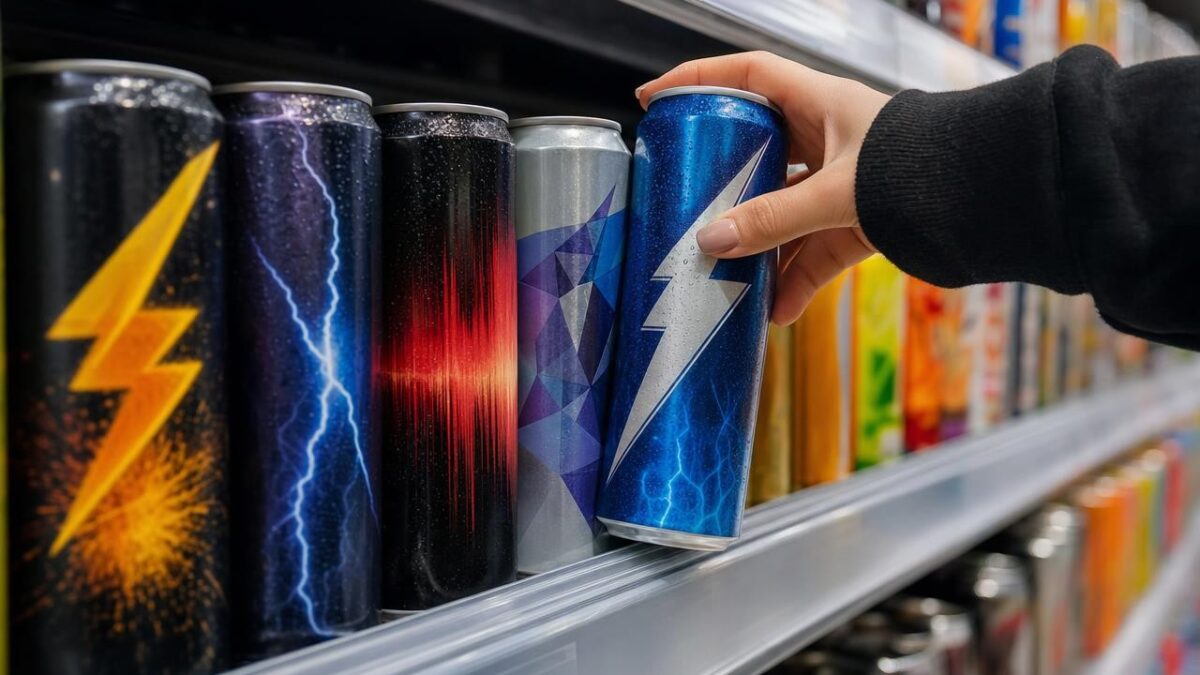
Palpitations, sleep disorders, anxiety attacks: adverse effects reported after consumption of
energy drinks in adolescents worries doctors. Faced with this increase, an information mission from the Social Affairs Commission submitted a report to the National Assembly on October 7, 2026. This text recommends prohibiting the sale of these drinks to minors under 16 years old throughout the territory.
Co-written by Sandrine Runel and Yannick Neuder, the report recalls that “in reasonable quantities, energy drinks do not pose a health risk to the general population“But he believes that among children and adolescents, this consumption “can indeed cause harmful effects“.”The idea is to educate young people that they do not need these sugary drinks to stay in shape and fight fatigue.“, summarized Sandrine Runel to AFP, while adverse effects were reported.
Why MEPs want to limit energy drinks
MEPs propose to include in the public health code a ban on the sale of energy drinks to under-16s, regardless of the point of sale. The report specifies that this rule would mechanically lead to their removal from vending machines, where the age of the buyer cannot be controlled. It would extend the ban already applied in schools since 2008.
Scientifically, the report draws on the European Food Safety Authority, which estimates that a healthy adult can consume up to 400 mg of
caffeine per day, compared to 3 mg per kilo for children and adolescents. A standard can can already approach this dose for a child weighing 30 kilos, especially if added to other caffeinated and very sugary drinks.
Increased risks for teenagers in a booming market
On the ground, the signals are converging. In France, several cases of palpitations, cardiovascular or psychological symptoms and discomfort have been reported after massive ingestion of these products, often in association with alcohol. The report speaks of “excessive” overall consumption and emphasizes that it is common during physical exercise, even though caffeine can increase the heart risk in fragile people.
At the same time, the market is exploding. The rapporteurs note that it is “increased from 184 million euros in 2016 to 781 million euros in 2025, for growth of almost 15% in volume over the past year“. Red Bull and Monster remain dominant, but new brands like Ciao Energy, supported by well-followed influencers, are banking on social networks, campus operations and the image of physical performance to attract young people.
An open debate between public health and manufacturers
The Non-Alcoholic Drinks Union, which brings together Coca-Cola Europacific Partners, considers on the contrary this recommendation unjustified. He speaks of “an arbitrary measure devoid of any basis” and affirms that the safety of the ingredients “has been evaluated and confirmed on numerous occasions, in particular by the European Food Safety Authority”, recalling that these drinks “are intended and mainly consumed by adults”. These opposing positions will still have to be decided during the parliamentary debate.