
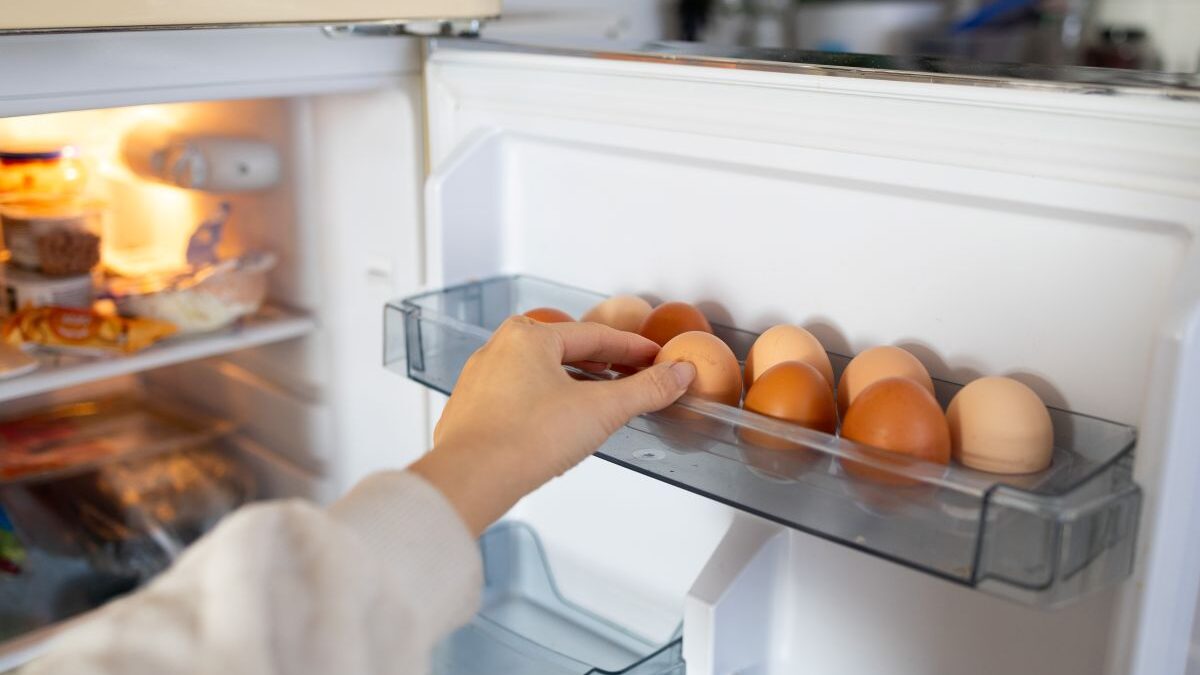
After tap water and soils, a new investigation by the ICI network and the Radio France investigation unit reveals that eggs are also contaminated by PFAS. Produced by industry for decades, these “eternal pollutants” are now omnipresent in our environment.
Of 91 eggs analyzed between January and July 2026, 52 contained it and 23 exceeded quality standards. If professional breeding remains generally preserved, private chicken coops are particularly affected, with chickens ingesting these toxins by scratching contaminated soil.
What health risks?
PFAS (perfluoroalkyl and polyfluoroalkyl substances) are referred to as “perennial pollutants” due to their extreme persistence. According to the Regional Health Agency (ARS), their accumulation in the body has proven health effects:
- Decreased immune response to vaccines;
- Lipid disorders (increased cholesterol and triglycerides);
- Decrease in birth weight;
- Increased risk of kidney cancer.
Certain molecules are subject to increased surveillance. PFOA is therefore classified as “carcinogenic to humans” (group 1) by the International Agency for Research on Cancer (IARC), while PFOS is considered “potentially carcinogenic” (group 2B). Frequent consumption of contaminated foods can also promote diabetes or endocrine disorders.
Where does egg contamination come from?
Pollution of soils and the food chain results from multiple factors: proximity to chemical factories or airports (via firefighting foam), or even use of well water. However, one of the main vectors remains agricultural spreading.
“Residues can come from water, but also from sewage sludge used as fertilizer. Our wastewater treatment plants are unable to eliminate these micropollutants, so they migrate to the fields, plants and then our food.confirmed to True Medical Dr Pierre Souvet, cardiologist and president of the Association Santé Environnement France (ASEF).
In private gardens, chickens pecking at the bare earth directly absorb these substances concentrated in the soil or insects.
A precedent in Île-de-France
This observation is not new. As early as 2023, an assessment carried out on 25 henhouses in Île-de-France revealed high levels of persistent organic pollutants (POPs) and PFAS in eggs.
The ARS Île-de-France then recommended against consuming it throughout the inner suburbs and in several neighboring municipalities, calling on vulnerable groups to be extra vigilant. For people maintaining occasional consumption, the agency recommended no longer feeding poultry on the ground and banning the spreading of ashes in the garden.
Spotting and reducing PFAS every day
According to the survey, exceeding reference thresholds does not systematically cause illness. But this still demonstrates a worrying level of exposure to these compounds.
So if you want to continue consuming eggs, what is the recommended limit? In the absence of any other source of contamination in the diet, the weekly benchmark is one egg for a child weighing 20 kg and four eggs for an adult weighing 70 kg, according to the data from this work.
Quoted by Radio France, toxicologist Xavier Coumoul also advises the greatest caution to pregnant women and young children. He also recommends moderating your consumption of seafood (fish and shellfish), often higher in PFAS than eggs.
Chicken coop in your garden: good reflexes
To reduce the risk of ingesting toxic substances by your poultry, several simple measures are necessary:
- Feed them in raised or hanging feeders, never on the ground;
- Distribute only tap water, controlled by utilities;
- Cover the bare earth with clean mulch or grass;
- Prohibit wood ashes or sludge in their living space.
In several highly exposed areas (notably in Haraucourt, Pierre-Bénite, Le Tholy, Le Boulou, Renage, Saint-Péray or Chartres-de-Bretagne), health authorities advise against any regular consumption of garden eggs, in particular for children and pregnant or breastfeeding women.
Although it is impossible to detect these molecules with the naked eye, certain purchasing and consumption habits also make it possible to limit exposure beyond food. These substances have long been used to make products resistant to water, grease, stains, heat, etc. But some manufacturers, particularly textile manufacturers, are starting to change their manufacturing habits. “Fortunately, many brands have started this transition by choosing to do without these substances. This is the case of Patagonia, for example, which has committed to no longer using” confirmed Dr Souvet.
For other tips, discover our article “How to spot (and avoid) PFAS in everyday life? A doctor answers us”.