
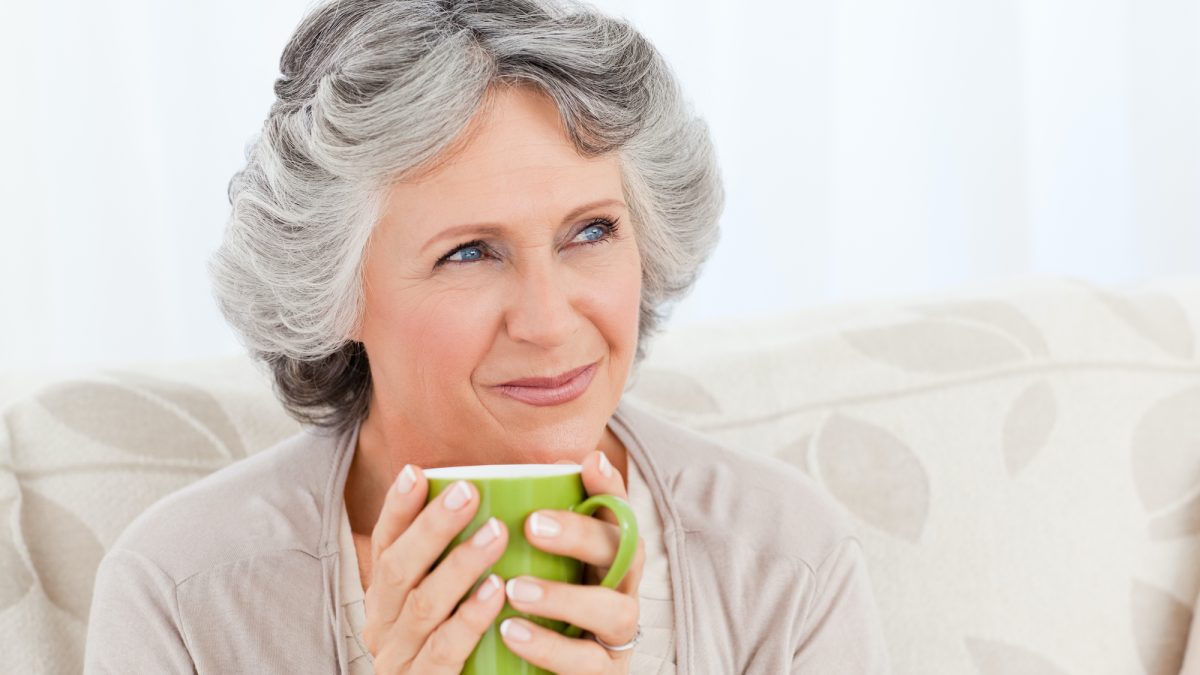
In recent days, temperatures have been dropping. And, already, some people over 60 are bringing out sweaters and blankets. With age, the body produces less heat and retains it less well: the feeling of cold can then set in more quickly. Moreover, according to Dr Elise Dallas, general practitioner at the London General Practice in London, this increased sensitivity to cold is not “imaginary” – it is explained by several age-related changes: a slower metabolism, a loss of muscle mass, less efficient blood circulation or even certain chronic illnesses.
Why do we get colder as we get older in the fall?
When temperatures begin to drop, the body must produce more heat to maintain its internal temperature. However, with age, this mechanism becomes less effective.
The progressive loss of muscle mass, called sarcopenia, plays an important role. The muscles participate in the production of heat and constitute a sort of “internal radiator”. The fat beneath the skin, which helps insulate the body, may also decrease.
Dr. Elise Dallas describes several changes that add up: “Thinner skin, reduced sweat gland function, less physical activity, and an impaired hypothalamic response all reduce the body’s ability to perceive and respond to cold,” adds Elise Dallas. “Lower calorie intake and reduced brown fat activity also contribute.”
Blood circulation also changes over the years. The arteries become stiffer and the vessels react less effectively to temperature variations. Hands and feet can then stay cold longer, even in a heated room.
The brain also plays a role. The hypothalamus, which is involved in controlling body temperature, may react less quickly to cold. Shivering, which normally increases heat production, can also be less effective with age, according to Health Insurance data.
Chilliness from the fall after 60 years: when should you consult?
Feeling colder when temperatures drop is common. But new or particularly marked chilliness is not necessarily linked to aging. Certain common illnesses after age 60 can also explain it.
Dr. Elise Dallas cites in particular hypothyroidism, which slows metabolism and reduces heat production, anemia, which reduces the supply of oxygen to tissues, or even diabetes, which can damage nerves and vessels and modify the perception of cold.
Heart failure can also limit blood flow to the skin. As for Raynaud’s phenomenon, it causes a sudden shrinkage of small vessels, particularly in the fingers, when exposed to cold.
According to the MedlinePlus website, a new, very severe or persistent feeling of cold should be reported to a doctor. A check-up may notably look for a thyroid problem or anemia, with analyzes such as TSH, T3, T4 or a blood count.
Medications can also increase chilliness. According to Elise Dallas, certain diuretics, antidepressants, calcium channel blockers, alpha-blockers and beta-blockers can disrupt temperature regulation or reduce circulation to the extremities. An effect that can become more visible when temperatures begin to drop in the fall.
However, you should not stop treatment on your own. If in doubt, it is better to talk to your doctor or pharmacist.
How to better cope with the first cold weather of autumn after 60 years?
No need to wait until winter to form good habits. As soon as temperatures drop, a few simple actions can help maintain body heat.
Dr. Elise Dallas recommends covering yourself well:
“Wear layers of thermal clothing, including hats, gloves and socks,” advises Elise Dallas. “Also keep indoor temperatures at least 20°C, use electric blankets or hot water bottles safely, and check for drafts by insulating windows and doors. Additionally, eat hot, regular meals, stay hydrated, and try to stay active indoors to boost circulation.”