
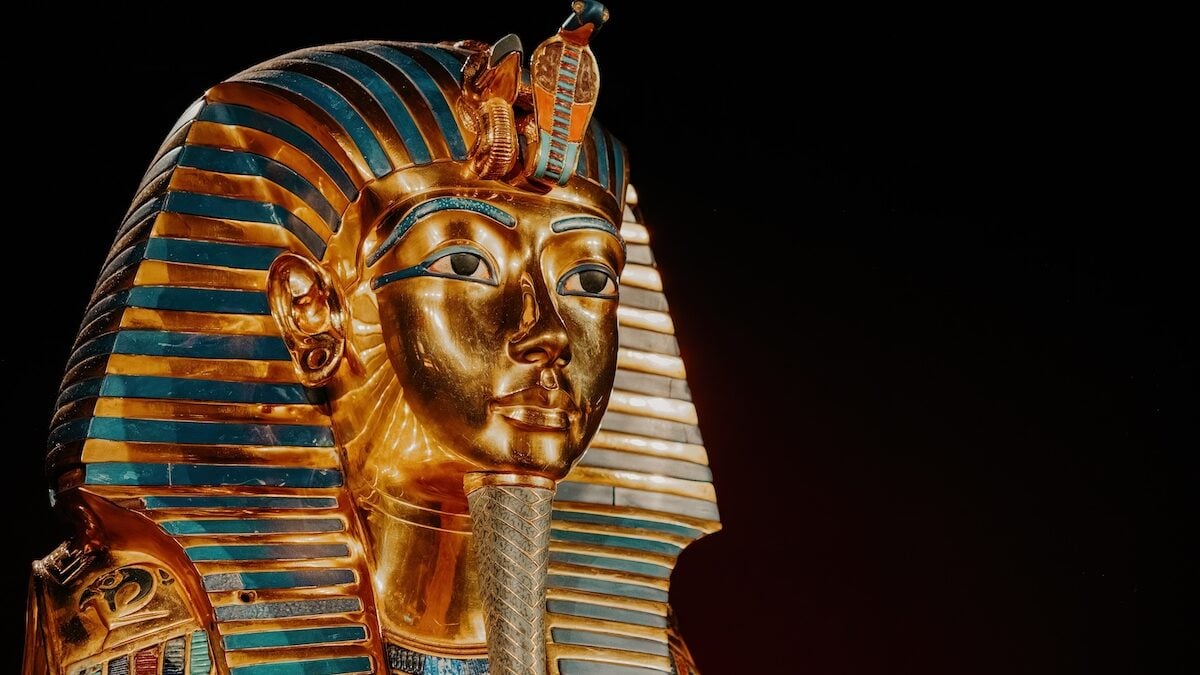
Formerly used to kill, the fungus Aspergillus flavus could soon save lives. This is what a study published in the journal suggests Nature Chemical Biology. Researchers have developed a new anticancer treatment derived from this fungus that had been detected in the tombs of ancient kings and which had caused the death of the scientists who had discovered them. L’Aspergillus flavus can indeed cause severe pulmonary infections.
High efficiency on leukemia cells
It was more precisely the RIPPS that interested the researchers, acronym to designate peptides synthesized by ribosome and post-transduction modified. Researchers discovered that peptides produced by the fungus Aspergillus flavushad therapeutic virtues. After having purified them, they found that these Ripps contained molecules with a structure of nested rings baptized “aspérigycins”. Among them, two showed therapeutic potential during tests on human cancer cells, more precisely on leukemia cells. Another, enriched with a molecule present in royal jelly (most precious active in the hive) had the same effects as two drugs used for decades in the treatment of leukemia (cytarabine and daunorubicin).
A very targeted therapeutic effect
To penetrate cancer cells, therapeutic peptides used the SLC46A3 gene, present in leukemic cells. “” “This gene acts as a bridge ”said Dr qiuyue Nie, principal author of the study. “”It not only allows aspérigimycins to enter cells, but could also allow other cyclical peptides to do the same “. This “infiltration” mechanism could explain their great efficiency and pave the way for new similar treatments for targeted chemotherapy.
The researchers specify that the aspérigycins have had little or no effect on the cancer cells of the breast, the liver or the lung, but also on several bacteria and fungi. Their action is therefore very specific, and this is precisely what interests scientists who work in the development of future targeted treatments.
Mushrooms, “an unexplored area with enormous potential”
The team of researchers also discovered RIPPS with strong therapeutic potential in other mushrooms. This suggests that mushrooms are a promising track for the development of new drugs.
“”Even if only a few have been discovered, almost all have strong bioactivity “said Dr. Nie. “”This is an unexplored area with enormous potential“” He added. “”Nature has offered us this incredible pharmacy. It’s up to us to unravel the secrets. As an engineers, we are impatient to continue our explorations, learn from nature and use this knowledge to design better solutions “concluded Dr. Xue Gao, associate professor of the Presidential Penn Compact in chemical and biomolecular engineering.
Even if these results obtained in the laboratory are promising, they remain to be confirmed in animals and in humans. The team of researchers has announced that it will soon test the aspérigimycins on animal models for human tests.