
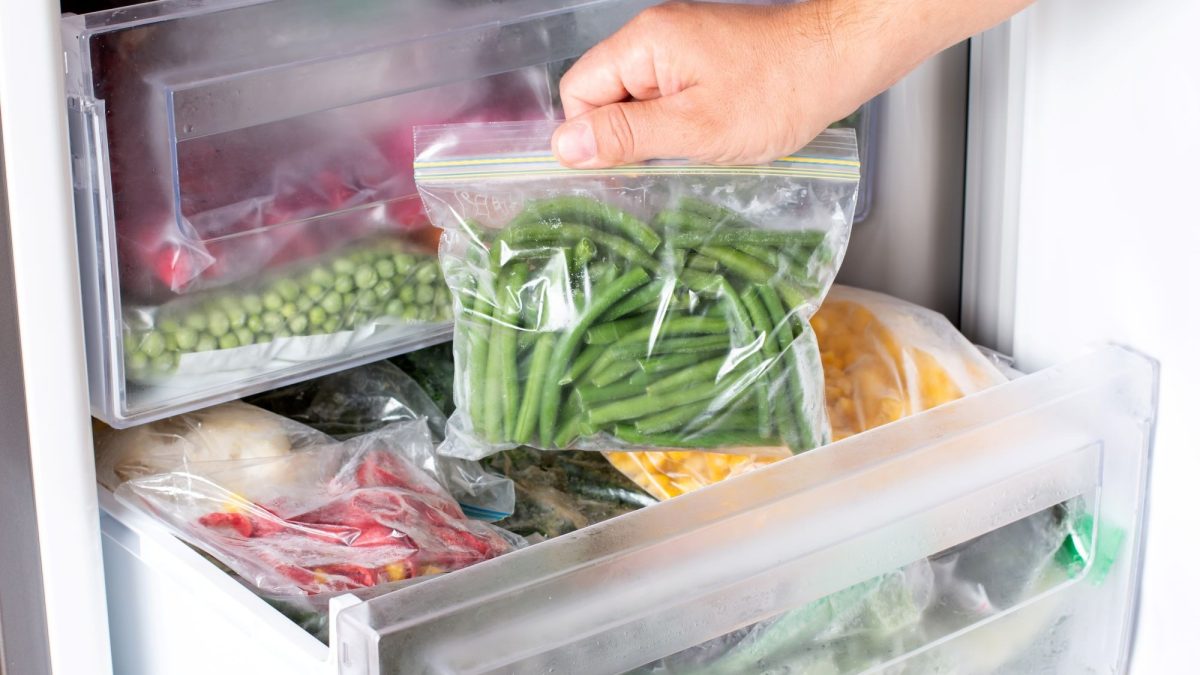
Fresh vegetables have a good reputation, and it’s not without reason. But between harvest, transport and days spent in the refrigerator, their vitamin content can decrease. Frozen vegetables are processed very quickly after harvest.
This is precisely what changes the situation. Jean-Michel Cohen believes that frozen foods can maintain a better vitamin value than fresh foods bought in stores, except when a vegetable comes from the garden and goes very quickly from the ground to the plate.
Fresh vegetables, vitamins begin to decrease after harvest
A freshly picked vegetable doesn’t necessarily arrive on the plate a few hours later. Between harvesting, transport, storage and purchase, several days can pass. During this period, certain fragile vitamins gradually decrease.
Jean-Michel Cohen summarizes the phenomenon. “From the moment you leave a product in the air, it oxidizes. So when you have a fresh product, between harvesting and consumption, there is a loss of vitamins. It is roughly around 40%.
Vitamin C and folate, or vitamin B9, are among the particularly sensitive nutrients. According to data cited in the sources, peas can lose about half of their vitamin C in just one to two days after they are harvested.
In addition, the word “fresh” is not enough to determine the nutritional quality of a vegetable. A product picked several days ago is not in the same situation as a vegetable harvested in the morning and consumed quickly.
Frozen vegetables, why they can retain more vitamins
The main advantage of frozen food is when the vegetable is processed. When it is harvested and then quickly prepared and frozen, the process slows down the reactions responsible for the gradual breakdown of certain vitamins.
Jean-Michel Cohen also describes this circuit very precisely. “The factories take the product as soon as it has been dug up, remove the soil if necessary and immediately freeze it.”
For the nutritionist, this method allows for better conservation. “The preservation of vitamins is of better quality” he assures.
However, frozen vegetables do not emerge completely unscathed from processing. Pre-bleaching can cause a loss of some water-soluble vitamins, such as vitamin C and vitamin B1. Once frozen, the nutritional contents then remain relatively stable during storage if the cold chain is maintained.
This explains why frozen broccoli, spinach, peas or green beans can be of greater nutritional benefit than a fresh vegetable that has waited several days before being consumed.
In addition, Dr. Cohen himself provides an important nuance. “It’s not that the difference is major, but frozen has a nutritional value, in vitamin terms, which is higher than that of fresh unless you have your garden”.
Fresh or frozen, which one to choose on a daily basis?
Fresh therefore retains a place of choice when the time between harvest and consumption is very short. A vegetable from the garden, picked and then eaten quickly, combines good vitamin preservation with a texture and taste often sought after.
Vanessa Bedjaï-Haddad, dietitian-nutritionist, also defends this nuance for True Medical. “Fresh is obviously the healthiest thing. However, frozen is a very good alternative… It would therefore be a shame to deprive yourself of it. This allows you to eat fruits and vegetables out of season, without losing any vitamins.”
For frozen vegetables, the choice of product also matters. Pouches made only of vegetables allow you to have more control over what you buy, unlike preparations containing a sauce or other added ingredients. Cooking also affects vitamins: short cooking helps limit losses.
Vanessa Bedjaï-Haddad also draws a comparison with canned goods. “Frozen vegetables are also much more interesting than canned vegetables, full of salt, sugar and preservatives.
Finally, frozen food can finally have a very concrete interest when time is short. “You should always have some in the freezer section to get them out if you don’t have time to go shopping. They are sometimes less expensive than fresh ones and help you avoid making a waste since fresh ones spoil”
she concludes.