
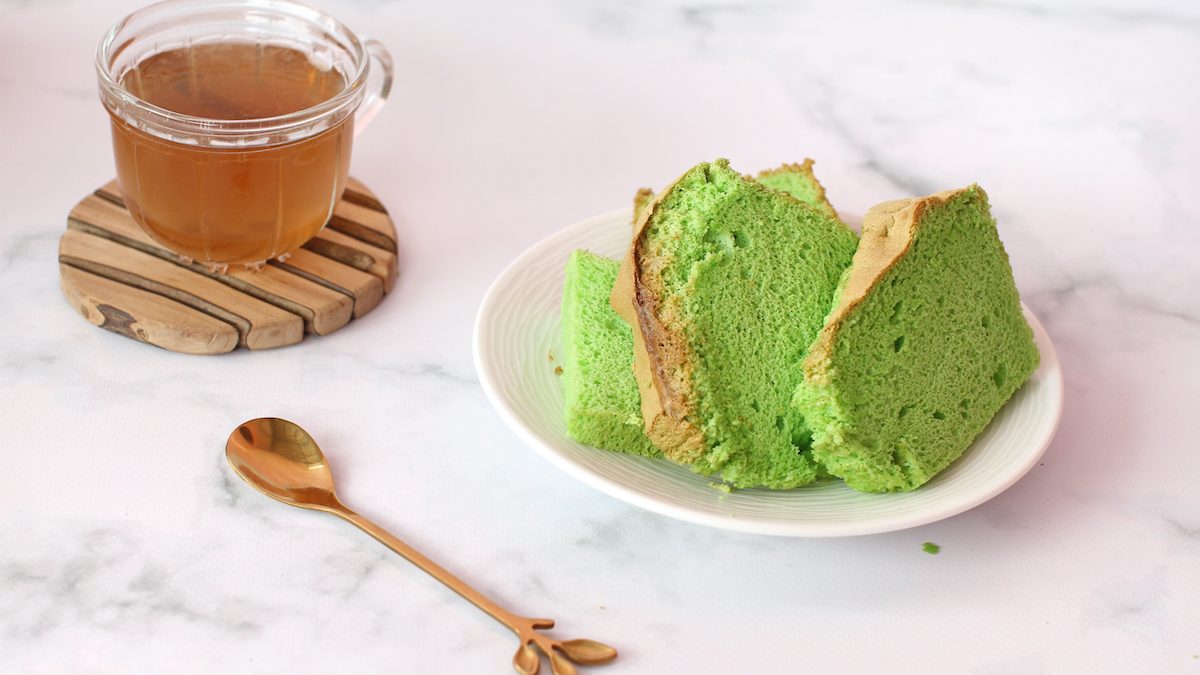
Exit lemon, hello pandan! This bright green plant that chefs, food influencers and cooking enthusiasts around the world are already crazy about. THE New York Times has even designated it as one of the ingredients that will transform world gastronomy in 2025. And for good reason: pandan tastes as good as it does for your health.
Pandan, the new sensation, between tradition and trend
Essential in traditional Thai, Malaysian and Indonesian cuisine, pandan — sometimes nicknamed Asian vanilla — seduces with its unique fragrance combining notes of vanilla, coconut and fresh grass. Long reserved for local desserts (soft cakes, creams, coconut pearls), it is now reaching Western cuisines, often in the form of fresh leaves, extract or powder.
Iced, infused, mixed or incorporated into your pastries, pandan is the tropical touch that adds a twist to your desserts while taking care of your health. Combined with coconut milk or white chocolate, it reveals all its aromatic richness in recipes that are both modern and inspired by Asian traditions.
But beyond its delicate taste and its flashy color which illuminates pastries, pandan has remarkable nutritional virtues, as explained by Julie Boët, dietitian-nutritionist.
The health benefits of pandan according to science
Pandan is full of natural compounds with positive effects on the body.
A powerful antioxidant
Rich in flavonoids and phenolic compounds, pandan helps neutralize free radicals responsible for cellular aging and degenerative diseases such as cancer, type 2 diabetes or cardiovascular pathologies.
A natural anti-inflammatory
Used for generations in Asia to relieve muscle and joint pain, pandan works by inhibiting inflammatory mediators, including prostaglandins. An added advantage for people prone to chronic pain.
Antidiabetic potential
Preliminary research suggests that pandan may promote better blood sugar regulation. In particular by strengthening insulin sensitivity. Consumed as an infusion after meals, it could become a valuable ally in the prevention of type 2 diabetes.
A relaxing and soothing effect
Traditionally used to calm migraines and promote sleep, pandan is said to have mild sedative properties. It is ideal in cases of stress or temporary anxiety.
Digestive and detoxifying support
As an infusion, pandan facilitates digestion, reduces bloating and supports the functions of the liver and kidneys, contributing to better elimination of toxins.
Which form of pandan to favor?
Pandan comes in several forms, each with specific nutritional and taste qualities. To fully benefit from its benefits, it is essential to choose the right version according to the intended use. Julie Boët, dietitian-nutritionist, sheds light on the most interesting ones.
- Fresh leaves : the most virtuous form. It is the most natural version and the most concentrated in active compounds (flavonoids, antioxidants, volatile aromas). Dried leaves: a good alternative Provided they are dried slowly and at low temperature, they retain a large part of their antioxidant properties. Less fragrant than fresh leaves, they remain effective in infusion or decoction;
- Liquid extract : practical but to be examined closely. Some versions are natural and concentrated, but others may contain artificial flavors, colors or preservatives. Careful reading of the label is essential to ensure its quality;
- Pandan powder : easy to integrate. Often used in smoothies, yogurts or pastries, it retains some of the nutrients if obtained by freeze-drying. On the other hand, it is less rich in volatile compounds and therefore in digestive or relaxing effects;
- The aroma of industrial pandan : only for taste. Very common in commercial Asian desserts, it has no nutritional benefit. “Avoid if you are looking for the health benefits of pandan” concludes our expert.
Precautions to know
Pandan is generally well tolerated in moderate amounts. However, it is not recommended for pregnant or breastfeeding women without medical advice, due to the lack of studies on its use in these contexts. Excessive consumption can also cause digestive upset in some sensitive people.