
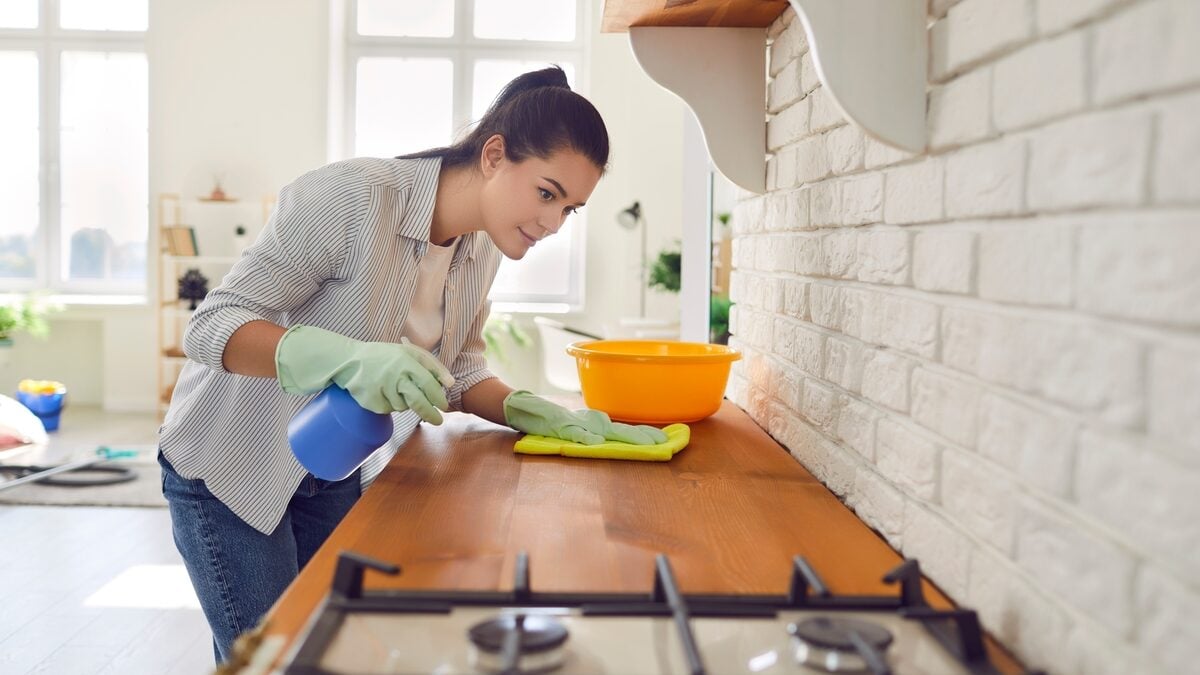
While several French people infected with hantavirus are currently being treated at Bichat hospital, and the state of health of an infected woman suddenly deteriorated last night, the government has decided to toughen up the health system in the face of the risk of spread. Indeed, this virus, transmitted mainly by rodents and their droppings, can cause serious respiratory infections. So how can you effectively clean your house and (try) to protect yourself from it? Dr. Gérald Kierzek, medical director of True Medical, explains which products to favor.
Diluted bleach
According to Dr Gérald Kierzek, bleach (1% active chlorine) remains the reference product when you need to disinfect an area soiled by rodent droppings. Very affordable and extremely effective, it inactivates the virus provided it is properly diluted.
“A typical dilution is to mix 1 part bleach with 9 parts water. This solution should then be applied to the soiled surfaces, leaving it to act for at least 10 minutes before wiping with a damp cloth or mop.“, explains the doctor.
But the expert also insists on another point: “Never sweep or dry vacuum potentially contaminated feces or dust, as this throws infectious particles into the air.”
Different household disinfectants
Other household disinfectants can also be effective against hantavirus, provided you choose the right products and follow their instructions for use carefully.
“Virucidal products based on phenolic or quaternary ammonium compounds are effective when used according to the manufacturer’s recommendations“, specifies Dr Gérald Kierzek.
However, before using them, remember to check the information on the label: “Disinfectants indicating effectiveness against enveloped viruses, the category to which hantavirus belongs, should be favored, and the recommended contact time should be scrupulously respected.“
70% alcohol (ethanol)
70% alcohol can also help with certain small everyday surfaces, but it is not the best option when it comes to cleaning a heavily contaminated area, says Dr. Gérald Kierzek.
“70% alcohol can be used on smooth surfaces such as handles, countertops or small equipment“, he indicates. Before specifying: “It is not the product of first choice for treating rodent droppings or large dusty areas, because its action is more limited in this context..”
Hantavirus: other good things to know
To limit the risk of contracting a hantavirus, we must above all avoid exposure to rodents and their droppings, insists the doctor. Despite everything, if you live near an area potentially contaminated by rats and/or mice, or if they have gotten into the habit of coming galloping into your garden, here are some simple reflexes to adopt.
“Above all, we must prevent rodents from settling in the habitat by securing the food (in airtight boxes for example) by blocking the openings and limiting the areas where they can hide.recalls Dr. Gérald Kierzek.
When cleaning is necessary, proceed methodically. “Before any intervention, the room must be widely ventilated, the contaminated surfaces must be moistened, then a disinfectant must be applied before collecting the droppings.“, advises the medical expert.
The medical director of True Medical also emphasizes the importance of protective equipment: “Wearing gloves, a mask, ideally FFP2, and covering clothing is recommended when cleaning suspect areas..”
Finally, rigorous hygiene remains essential after any handling.
“You must wash your hands, face and possibly clothes carefully after coming into contact with rodent nests, droppings or corpses.“, concludes Dr Gérald Kierzek.
In summary, although zero risk does not exist, simple actions can make a big difference on a daily basis: avoid attracting rodents, protect your food well and carefully clean potentially contaminated areas.