
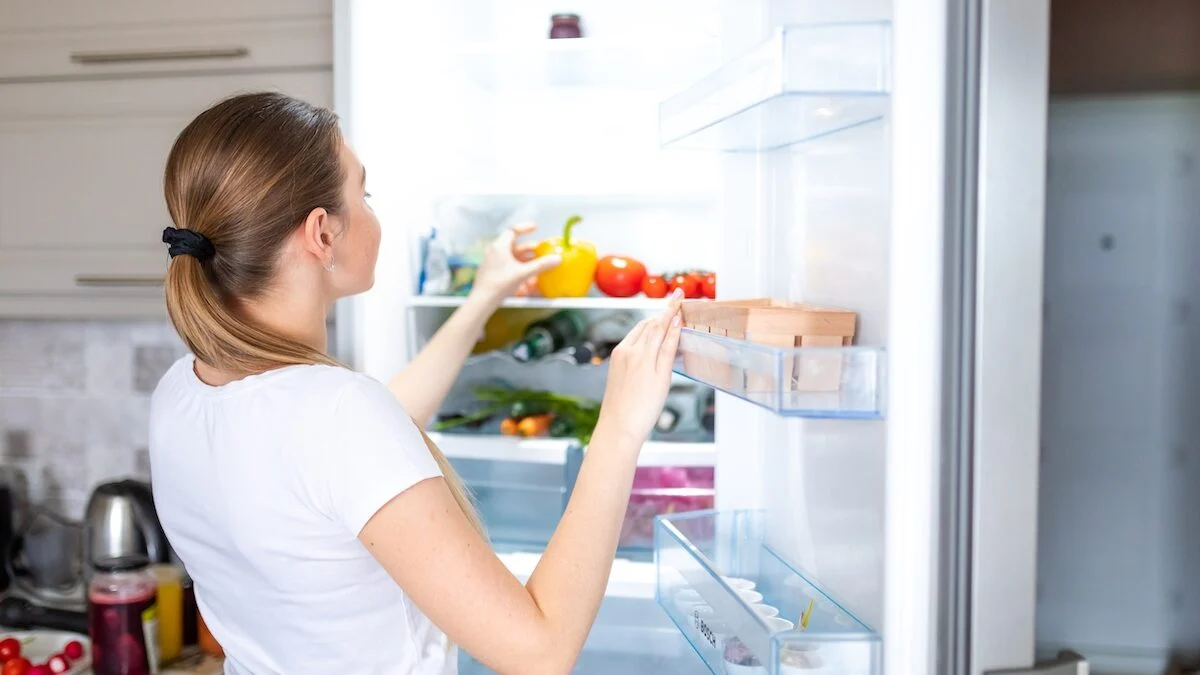
Temperatures are rising outside and many are thinking about closing the shutters or drinking more. However, another piece of equipment deserves your full attention: the refrigerator. Poorly adjusted or overfilled, it can encourage the development of bacteria responsible for food poisoning.
The problem is not limited to heatwave episodes. Throughout the year, food preservation depends on a stable temperature and appropriate storage. A simple door left open too long can be enough to raise the interior temperature without us noticing.
Why your refrigerator should never exceed 4°C
According to Anses, the ideal temperature of a refrigerator is between 0 and +4°C in its coldest zone. This level significantly slows down the multiplication of bacteria such as Listeria monocytogenes or Salmonella enterica.
The agency recalls that “a temperature below +4°C stops the growth of the majority of pathogenic germs.“
However, the digital display of the device is not always sufficient to ensure that all compartments remain cool. Older models or those that do not have a visual control system may have significant deviations.
An overloaded refrigerator also prevents cold air from circulating properly. Conversely, a door open for several minutes while putting away groceries can cause the temperature to rise faster than you might imagine.
Actions to adopt to store your food safely
Temperature isn’t the only thing to watch out for. The interior organization of the refrigerator also plays an important role in keeping produce fresh.
Placing a thermometer in the upper part of the device, often the least cold, allows you to quickly detect an anomaly. Monthly cleaning with soapy water or white vinegar also helps limit the presence of mold and invisible residue.
Particular vigilance is required after a power cut or breakdown. The cold escapes quickly and some foods may become unfit for consumption without showing any visible change in appearance or odor.