
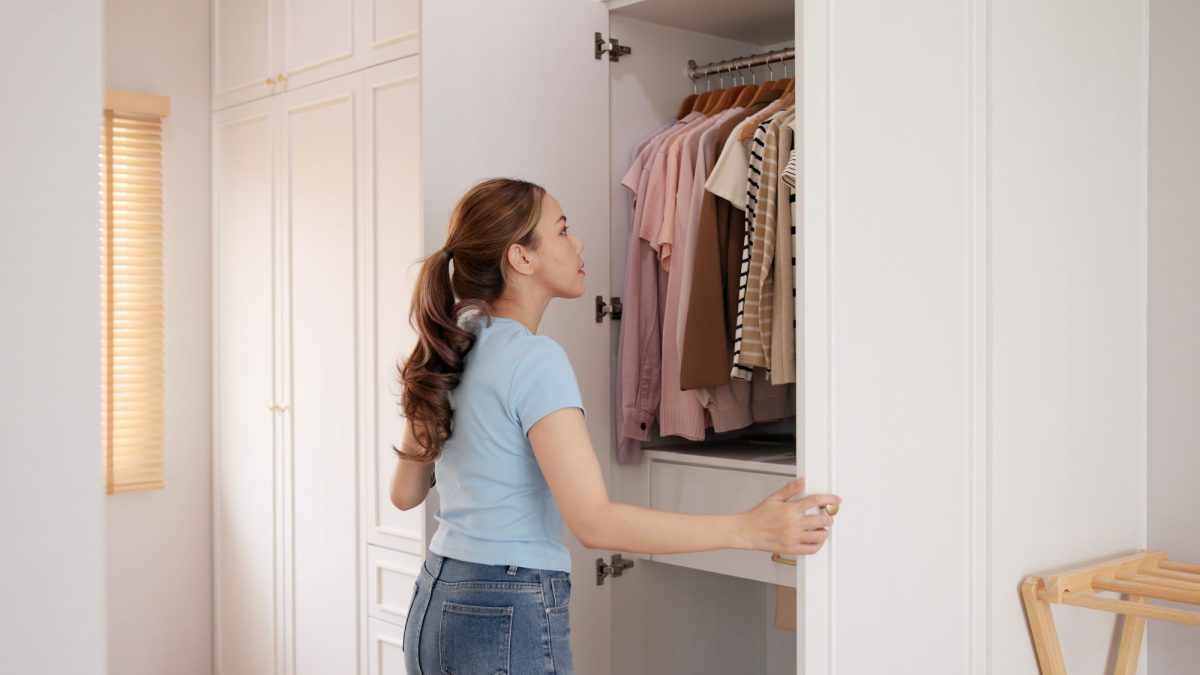
Take off your shoes, wash your hands and take a shower, before wearing comfortable clothing.
For some people, once they have crossed the threshold of their home, this ritual is immutable. It reflects both a need for comfort, but also a way of avoiding the spread of micro-organisms at home. What should we think about it?
A gesture that helps prevent “the spread of allergens and bacteria”
When interviewed, Dr. Gérald Kierzek, emergency physician and medical director of True Medical, confirms the benefit of changing clothes once at home.
“It’s better to change when you get home, especially after going to public places. Since the pandemic, this habit has become more and more widespread. Jogging or pajamas are becoming allies of letting go, and this change of outfit stands out as a real break between professional and personal life.”
Getting changed when you get home, a useful gesture or a simple reflex?
Fans of “indoor” clothing assure us: changing clothes creates a barrier against germs from the outside world. And they’re not entirely wrong. A study cited by the HuffPost US showed that bacteria can survive up to 206 days on polyester and up to 90 days on other fabrics, such as cotton. As for viruses, they can remain infectious for two to four weeks on certain textiles.
But for all that, should we fear our own clothes? Not necessarily, nuance Dr. Graham Snyder, infectious disease specialist at the University of Pittsburgh Medical Center, quoted in another Washington Post subject. “If the idea is to avoid all germs, that’s not possible. It’s about knowing which organisms can harm you and how to keep them away.”
He admits that it is preferable to wash items worn outside, but adds that cases of transmission via textiles remain rare. “These cases usually involve people sharing particularly dirty textiles that have not been properly washed, such as towels in a locker room.”.
Dr. Gérald Kierzek also confirms the benefit of this habit. “This limits the spread of bacteria, viruses or allergens (dust, pollen) brought from outside and promotes a feeling of cleanliness and relaxation.“.
Hygiene, allergies and sensitive skin… Changing clothes is sometimes essential
Even without being in direct contact with dangerous microbes, our clothing picks up particles which, over time, can irritate.
“This habit is particularly useful during epidemics or for sensitive people” adds Dr. Gérald Kierzek. Pollen, pollution, dust, animal hair… everything clings, and it all comes home with our jackets and pants.
This is also what Dr Hannah Kopelman, an American dermatologist whose comments are reported by the HuffPost US.
“I advise my patients, especially those with eczema or acne, to minimize prolonged contact with contaminants they might pick up outside.” She specifies that this gesture must be accompanied by washing of hands and face to be truly useful.
But beware of false good ideas: there is no need to transform your home into a decontamination chamber. The most important thing is to wash your hands when you get home. This is the most effective action to avoid catching a virus or a cold.
A habit that goes far beyond cleanliness
Changing yourself also means changing your skin, leaving tensions, social codes, pressure from outside at the door. And this is undoubtedly where the real benefit lies. Putting on a pair of jogging pants means allowing yourself to breathe. “Opting for comfortable clothes (pajamas, jogging, casual clothing) also helps to mark the transition between professional and private life, improving well-being. insists Dr. Kierzek.
A few simple tips allow you to integrate this ritual into your daily life without constraints, according to him:
- Provide a laundry basket to place clothes worn outside;
- Avoid undressing in the bedroom, especially during pollination periods;
- Wash your interior textiles regularly, without obsession but with regularity.
Finally, remember that there is no point in disinfecting everything, but creating a bubble of comfort and cleanliness can have a real impact on physical and mental well-being.