
On September 1, back to school day, Caroline Grandjean, 42, director of a primary school in Cantal, died after months of homophobic harassment. A drama that draws a double emergency: that of better support for national education personnel facing violence. And that of a broader mobilization against suicide, which remains in France a major public health issue.
A teacher broken by harassment
Caroline Grandjean was not only a teacher passionate about her profession. She was also a harassed woman, hunted down by an anonymous “crow” who defiled the walls of her school of homophobic graffiti and slipped in her mailbox messages of hatred: “dirty gauine”, “gouine = pedophile”, “will die”. An far too violent treatment, even for an experienced and solid teacher.
Despite five complaints and a judicial investigation, the author has never been identified. Caroline found herself alone in the face of a spiral of violence that she did not support (but who would have done it?). His relatives today denounce the lack of real support from the institution and the local authoritieses. “Harassment destroyed her and she preferred to say stop”summarizes today the secretary general of the S2DE union, Thierry Pajot.
This drama painfully echoes other suicides of teachers, such as that of Christine Renom in Pantin in 2019. Once again, the question of institutional support arises.
Change posts, be silent, wait until “the storm passes”: such have often been the only answers offered to Caroline. However, moving a victim protects neither his dignity or his health. This culture of the “wave” denounced by many national education agents question: can we continue to demand from teachers that they be pillars of the Republic while leaving them alone in the face of violence and harassment?
Harassment does not only kill children
Harassment is often associated with playgrounds, but it also strikes adults. Mockery, pressures, denigration campaigns, attacks on social networks or at work: this repeated violence undermines self -esteem, isolate and can lead to depression. As with the youngest, harassment can be fatal.
The story of Caroline Grandjean cruelly recalls that no one is safe. Adults, often considered “solid”, hesitate to ask for help, for fear of being judged weak. This silence worsens their vulnerability. Recognizing the harassment of adults as a public health problem is an essential step to avoid other dramas.
How to spot a suicidal distress?
At True Medical, we had already mentioned it. Suicide never occurs without signals. In an adult, some signs must alert:
- Suddenly withdrawn, marked isolation;
- Recurring remarks on despair, the fatigue of living or guilt;
- A brutal loss of interest for usually appreciated activities;
- Ordering your affairs, the donation of personal objects;
- A radical change in behavior, sometimes an apparent “lull” before taking action.
Faced with these signs, listening is essential. Put simple words-“I feel bad, do you want to talk about it?” – can open a breach towards confidence. The encouragement to consult a healthcare professional is a crucial step. And our business to all.
September yellow: a month to break the silence
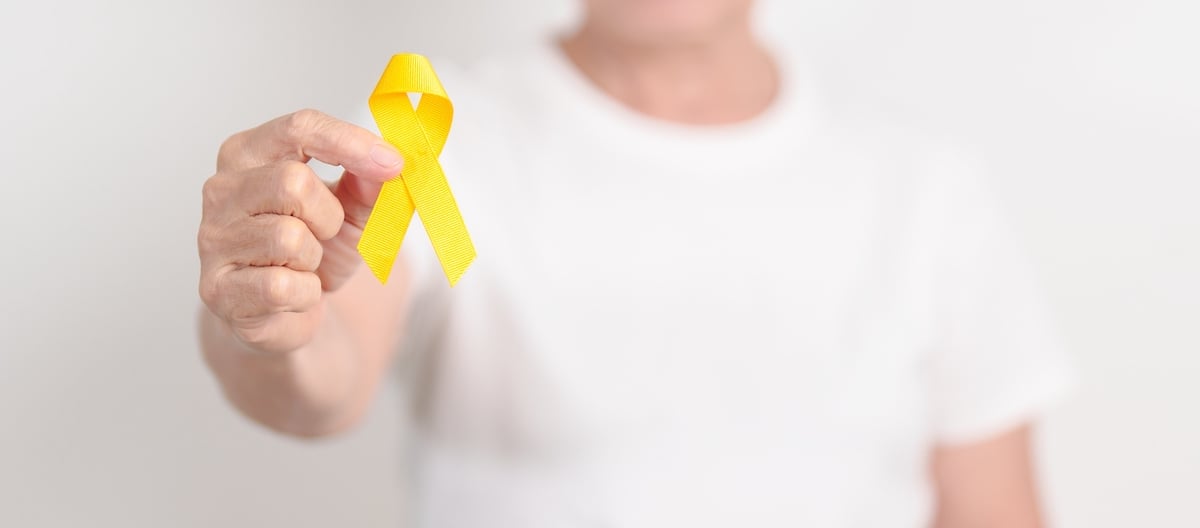
Each year, September is devoted to suicide prevention. September 10 marks the International Prevention Day, an upper point of one month called “September yellow”.
In France, suicide remains the leading cause of avoidable mortality in 25-34 year olds. Nearly 9,000 people die each year, 25 per day. Attempts are estimated at 200,000 per year.The goal of September yellow is twofold: inform and release the floor. Preventing suicide is not only a careful ear: it is also creating a society that refuses isolation, stigma and silence.
Resources to act and support
In case of distress or if you fear for a loved one, you are not alone. Devices exist:
- 3114, National suicide prevention number, available 24/7, with trained professionals;
- Suicide listening : 01 45 39 40 00;
- For young people: Young health wire on 0 800 235 236;
- Emergencies (15) in the event of immediate danger.