
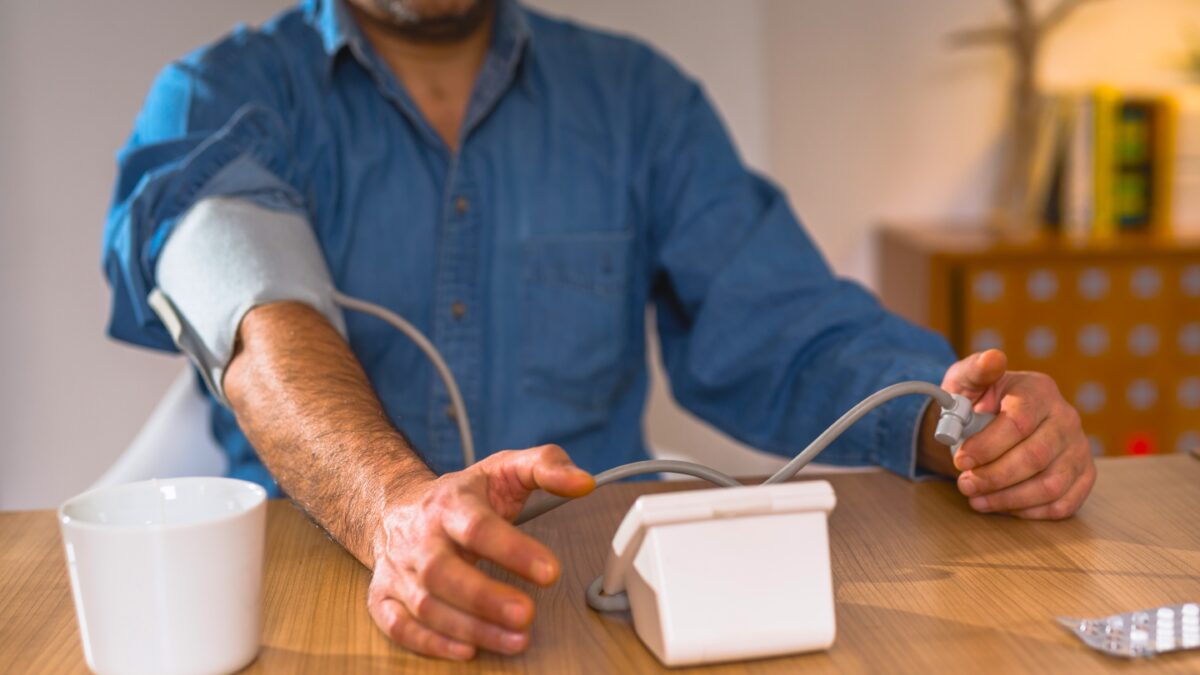
Taking treatment for hypertension means taking a daily action for your health. But what we drink can sometimes counteract these precautions. Caffeine and sugar, a harmless combination for many, can make your medications less effective. Dr. Gérald Kierzek, emergency physician and medical director of True Medical, deciphers this duo to avoid and provides alternatives to protect your heart.
When coffee meets sugar: a duo that puts tension to the test
The 2025 recommendations on hypertension are clear: do not exceed 300 milligrams of caffeine per day, and for patients with severe, uncontrolled hypertension, limit consumption to just one caffeinated drink daily. However, there is another factor hiding behind the numbers: sugar.
“When you combine a beverage high in caffeine (like an energy drink) with a beverage high in sugar (like soda or fruit juice), the impact on your blood pressure can be significantly greater.”warns Dr. Kierzek. A daily duo that seems harmless, but whose effects can accumulate and reduce the effectiveness of treatments.
How Caffeine and Sugar Counteract Medications
The mechanism is double and precise. “For antihypertensives to be effective, care must be taken with drinks containing caffeine as they antagonize their hypotensive effect. At the same time, high sugars, found in grape juice or soda, induce insulin resistance and sodium retention that also worsen hypertension. Medications slow down, but caffeine + sugar drinks accelerate the phenomenon”explains Dr. Kierzek.
Caffeine stimulates the sympathetic nervous system, causing the release of adrenaline and temporary vasoconstriction that can raise blood pressure by 5 to 15 mmHg, counteracting the vasodilatory effect of the drugs.
Sugar, for its part, induces a glycemic peak which promotes inflammation of the vessels, increases insulin and chronically elevates blood pressure via activation of the renin-angiotensin system (RAS). “These effects accumulate throughout the day if you repeat this duo.emphasizes Dr. Kierzek.
What drinks should you choose to stay energetic without risking your blood pressure?
Faced with these risks, there are simple and safe alternatives:
- Coffee in moderate quantities: one cup provides about 95 mg of caffeine. Uncontrolled hypertensive patients should limit themselves to one cup per day;
- Green tea: one cup contains 20 to 50 mg of caffeine and has not been associated with an increased risk of cardiovascular disease. A healthy alternative for a little boost;
- Infused water: lemon, cucumber, mint… without sugar or caffeine, it effectively hydrates while providing a refreshing touch.
Understand the importance of daily habits
Dr. Kierzek insists: “It remains essential to pay attention to what you eat and drink, including the caffeine and sugar content of your favorite drinks. This way you will optimize the effectiveness of your treatment and take care of your heart.”
Beyond the prescription, it is therefore a real partnership that is established with your treatment: understanding the effects of your daily choices, adapting your habits, and letting your medications work fully.
A simple gesture, but capable of making a real difference for cardiovascular health.