
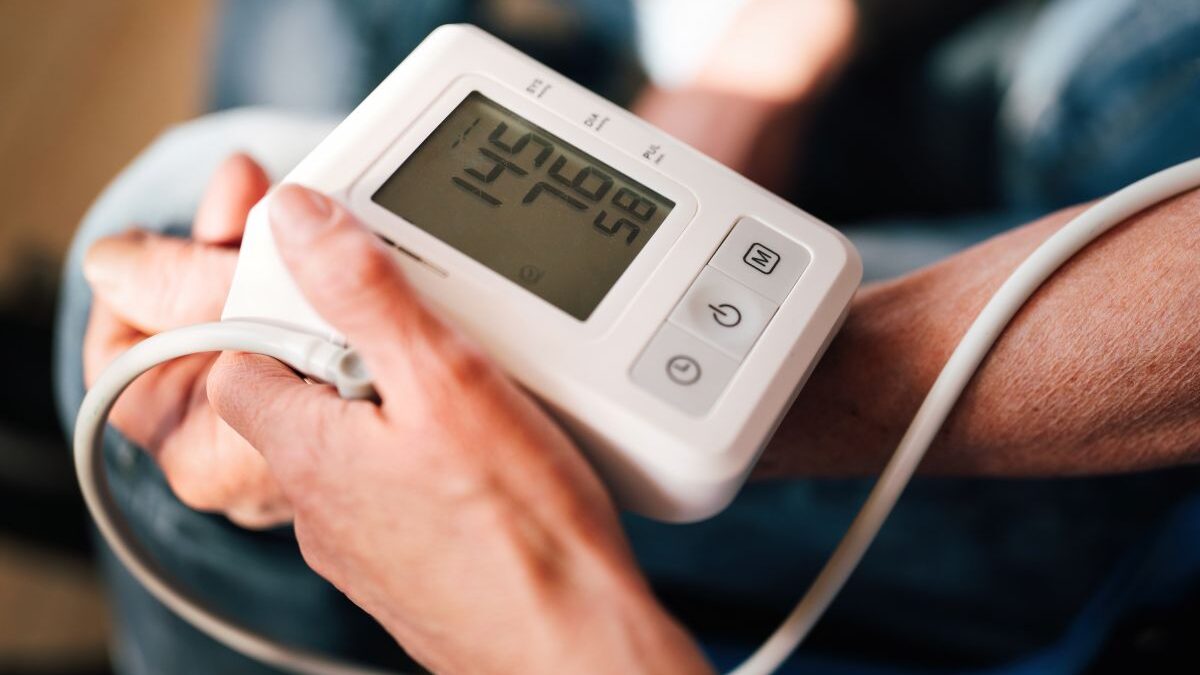
In France, hypertension affects nearly 17 million people, and 6 million are unaware that they are affected. To counter this scourge which threatens the heart and brain, experts unanimously recommend the DASH diet.
What is the DASH diet and how does it work?
The DASH diet (“Dietary Approaches to Stop Hypertension“) is an eating pattern that builds on a broad base of nutritious whole foods, particularly vegetables, whole grains, beans, nuts, dairy, and lean proteins like fish and chicken.
At the same time, it limits sodium, saturated fats and sugary foods and drinks, all linked to poor heart health.
“What makes DASH particularly effective is that it is not a fad diet“, explains cardiologist Francisco Lopez-Jimenez, in an article for Eating Well. “It was created through rigorous NIH-sponsored research, and it improves overall diet quality while specifically targeting the mechanisms that contribute to hypertension.” Both the American Heart Association and the American College of Cardiology recommend it for the management and prevention of hypertension.
For Dr Arnaud Cocaul, nutritionist, interviewed by True Medical, the benefit of this approach is obvious. “The DASH diet is a diet that initially reduces high blood pressure. We can logically estimate that it damages the arteries less than other stresses rich in sodium. Potassium intake is also important, and the intake of nuts and seeds will provide omega 3 which is useful for the cognitive aspect.
A rapid and proven reduction in blood pressure
The main reason why experts recommend the DASH diet is simple: it works, and the results come quickly.
Research shows that following this diet can lower systolic blood pressure in people with hypertension by up to 13 mm Hg, and diastolic blood pressure by 10 mm Hg. Lowering systolic pressure by just 5 mm Hg already reduces the risk of a cardiac event, such as a heart attack, by about 10%.
On a mechanical level, this effectiveness is based on the sequence of numerous physiological effects. Its wide variety of whole foods provides a powerful combination of minerals:
- Potassium helps the body excrete sodium;
- Magnesium supports blood vessel dilation and artery health;
- Calcium helps relax these vessels.
Additionally, this dietary pattern is naturally rich in fiber, which is fermented by our beneficial gut bacteria. These then produce short-chain fatty acids with anti-inflammatory properties, keeping the arteries flexible. Finally, being low in added sugars, DASH protects against insulin resistance, a little-known phenomenon that causes the body to retain sodium and increases blood pressure.
“The magnitude of the benefit varies from person to person, but it is not uncommon to see significant reductions within a few weeks of consistent adherence.”adds Dr. Lopez-Jimenez.
A flexible and beneficial method for the brain
Beyond nutrition, the DASH diet is very flexible, making it easier to follow on a daily basis than restrictive plans. In particular, it allows consumption of up to 2,300 milligrams of sodium per day. The success of this approach also lies in its protective properties for our brain thanks to its anti-inflammatory and antioxidant properties.
Dr Arnaud Cocaul fully validates this observation. “This beneficial result on cognitive health is therefore not a surprise to me, and proves that it is good to have a more dietary approach to your diet as you age. This type of much more natural diet which eliminates ultra-processing is therefore ideal, but be careful, excluding salt is still restrictive, we must not hide it.
Experts highlight four pillars to explain this brain action:
- A cocktail of essential nutrients: Vegetables, fruits, legumes and nuts reduce oxidative stress and stimulate the formation of nerve cells;
- A reduction in hypertension: By reducing blood pressure, it directly prevents cognitive decline;
- Fewer harmful foods: Reducing red meats and processed products limits brain inflammation and reduces the production of beta-amyloid proteins associated with Alzheimer’s disease;
- A balanced microbiome: It supports the production of neurotransmitters essential for mood and memory.
Overall lifestyle: how to optimize your results?
The DASH diet is a powerful first step, but to achieve lasting results, it must be integrated into overall care. As cardiologist Kunal Lal explains in the same article, it is one of the most powerful non-pharmacological tools we have, pairing perfectly with other interventions:
- Move regularly: Aerobic exercise (brisk walking, cycling, swimming) improves the heart’s response to stress. Aim for at least 150 minutes per week;
- Sleep better and earlier: People living with less than 6 hours of sleep per night have a 36% to 66% increased risk of hypertension. Aim for at least 7 hours of quality rest;
- Manage stress: Meditation, deep breathing and yoga avoid the constant state of “fight or flight” that disrupts the nighttime drop in blood pressure;
- Eliminate toxic substances: It is essential to stop smoking, limit alcohol and lose weight if you are overweight or obese.
To conclude on this approach, Dr Arnaud Cocaul recalls the relevance of this global approach. “What is proposed is not necessarily an easy diet but it is a diet that is good for your health in general.”. Do not hesitate to seek help from a qualified dietician to set concrete and progressive goals.