
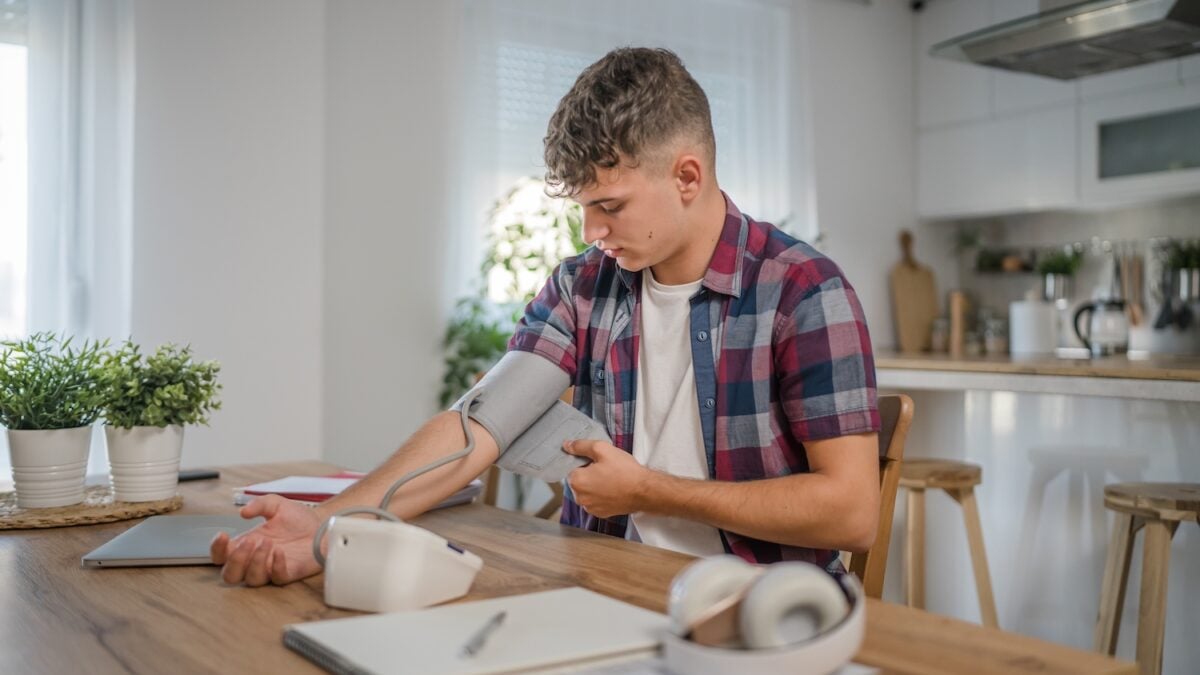
In an interview published in Mayo Clinic NewsNetwork, Dr. Bianca Bandarra, general practitioner and executive health specialist at Mayo Clinic Healthcare in London, details the factors that promote hypertension, the warning signs and the importance of early detection. An awareness that has become urgent as cases increase among young adults around the world.
An invisible illness that often advances silently
This is precisely what makes hypertension so dreadful: in the majority of cases, it doesn’t make a sound. No clear pain. No obvious signal. For years, sometimes decades, excessive blood pressure silently damages the vessels, the heart, the kidneys and even the brain.
High blood pressure is when the blood pressure is constantly too high against the walls of the arteries. The heart then has to work harder to circulate blood throughout the body. Ultimately, the consequences can be considerable: heart attack, heart failure, stroke, kidney damage, vision problems, dementia or metabolic syndrome increasing the risk of diabetes.
The most worrying thing undoubtedly remains its asymptomatic nature. As Dr. Bianca Bandarra reminds us: “If high blood pressure is left untreated, it can damage blood vessels and organs for many years. This is why we must be proactive in prevention and early diagnosis. A simple blood pressure measurement is an important screening tool.”.
This discretion explains why so many patients discover their hypertension by chance, during a routine check-up or after an already established complication.
For some people, however, signs may appear when tension reaches very high levels. The specialist mentions sometimes intense headaches, a feeling of pressure behind the eyes, blurred vision, chest pain, palpitations, shortness of breath or even unusual fatigue. Symptoms that are not very specific, but which should lead to consultation quickly, especially when they occur suddenly.
This vigilance is all the more important in people with a family history. “If one or both parents have high blood pressure, it’s smart to be proactive.”insists the doctor, who recommends in certain cases regular monitoring at home.
Why young adults are increasingly concerned
Long considered a pathology of old age, hypertension is gradually changing its face. Doctors are now observing an increase in its prevalence among young and middle-aged adults in many countries. This evolution also reflects the profound transformations of contemporary lifestyles.
Dr. Bandarra identifies several factors that increase the risk of developing hypertension: overweight or obesity, tobacco, alcohol, chronic stress, a diet too rich in salt, lack of physical activity or even insufficient potassium intake.
Added to these factors is an element that is often difficult to circumvent: genetics. “Some people can do everything right and still develop high blood pressure.”underlines the specialist. “This is because genetics also play a role. However, we can take steps to prevent it from getting worse.”.
This sentence sums up the complexity of the disease. Because hypertension is neither a lack of will nor a simple individual fault. It often arises from a subtle mix between biological heritage, environment and lifestyle habits.
In a daily life marked by a sedentary lifestyle, intense professional rhythms, lack of sleep and a very salty industrial diet, the terrain becomes more favorable to the development of this pathology. And many young adults simply don’t think about getting their blood pressure checked. However, the earlier hypertension is treated, the lower the risk of serious complications.
Prevention before damage: the crucial role of screening
Faced with this silent progression, doctors insist on a simple message: measuring your blood pressure can save years of healthy life.
The treatment of hypertension is primarily based on a healthy lifestyle: regular physical activity, weight loss if necessary, a diet rich in fruits, vegetables and whole grains, salt reduction, stopping smoking, limiting alcohol, stress management and improving sleep.
When this is not enough, antihypertensive medications can be prescribed to limit cardiovascular damage. Additional examinations – blood tests, urine tests or electrocardiogram – also make it possible to assess the patient’s general condition and to look for possible organ damage.
Home monitoring is a valuable tool today. It is still necessary to use a reliable device and follow a rigorous method.
“Use a validated device with a properly sized cuff and follow correct technique.”advises Dr. Bandarra. “Raising awareness about high blood pressure for yourself, your friends and family can really make a difference”.
Behind this recommendation lies a major public health issue: bringing hypertension out of the shadows. Because this silent illness is not a fatality reserved for old age. It may concern a stressed student, an overwhelmed parent, a sedentary employee or a person who thinks they are in perfect health. And sometimes it all just starts with a number on a blood pressure monitor.