
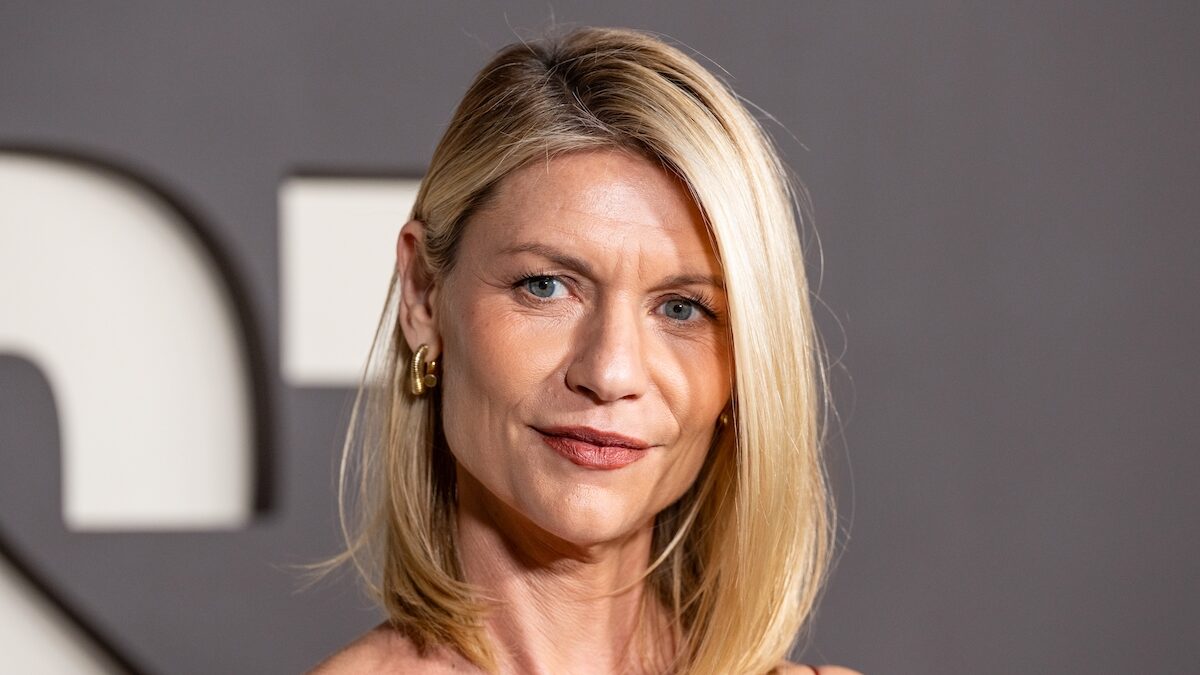
At 44, actress Claire Danes no longer expected to get pregnant. Already the mother of two boys, Cyrus (born in 2012) and Rowan (born in 2018), the actress knew how complex motherhood could have been for her. To conceive her second child, she had to resort to two cycles of in vitro fertilization, a physically and emotionally significant ordeal. But she was not at the end of her surprises.
A pregnancy deemed “impossible”, and a nervous breakdown
Podcast guest Good Hang hosted by Amy Poehler, a few days ago she recounted the absolute shock that shook her 3 years ago: a natural pregnancy, at an age where the statistics are not encouraging, 44 years old. “I didn’t know it was physically possible”she confides, recalling that the chances of conception after 40 are very low.
But that day it was not joy that seized the forty-something. The reaction is immediate and violent: panic, crying, calling “in convulsive sobbing” to his gynecologist. Claire Danes dares to speak today of a real nervous breakdown. Added to this astonishment is an even more unexpected feeling: shame.
Shame, or the weight of invisible standards
In the podcast SmartLessthe actress already put words to this discomfort: the impression of having transgressed an unspoken rule, of being “caught in the act”. As if desire, sexuality and motherhood had an implicit expiration date. This shame is not so much personal as it is deeply social, fueled by the persistent taboos around so-called late pregnancies.
With her husband, actor Hugh Dancy, Claire Danes will end up welcoming this pregnancy and giving birth, in 2023, to a little girl named Shay. Today, she says she is satisfied. But it doesn’t erase anything from the initial storm.
What happened psychologically according to our psychologist
For clinical psychologist Amélie Boukhobza, this testimony is precious because it breaks with the myth of immediately happy “good news”.
“At 44 years old, she explains, many things are psychologically “complete”: a self-image, a relationship with the body, an organization of the future, sometimes even renunciations accepted and digested.” An unexpected pregnancy then sets everything in motion, without warning. “It’s not just the arrival of a baby, but an imposed bifurcation, a return of the body to where we thought we had moved on”.
Panic is therefore not necessarily a rejection of the child, nor even a classic fear. It’s a psychological shock, an overflow. “The nervous breakdown becomes a discharge, the sign that the event has not yet found its place internally.”
Welcoming a child… and weathering a storm
Amélie Boukhobza insists on an essential point: the initial emotion in no way prejudges the future bond with the child. “One can deeply love what is happening while hating the upheaval it involves. This is what she calls psychic temporality: a necessary time of digestion”.
By recounting her experience without smoothing it over, Claire Danes shows something else, something guilt-free, perhaps without even meaning to:
- The right not to be ready at the time;
- The right to panic;
- The right not to correspond to the expected scenario.
A rare and salutary story, which reminds us that a happy event can also be destabilizing – and that this does not detract from the beauty of what comes next.