
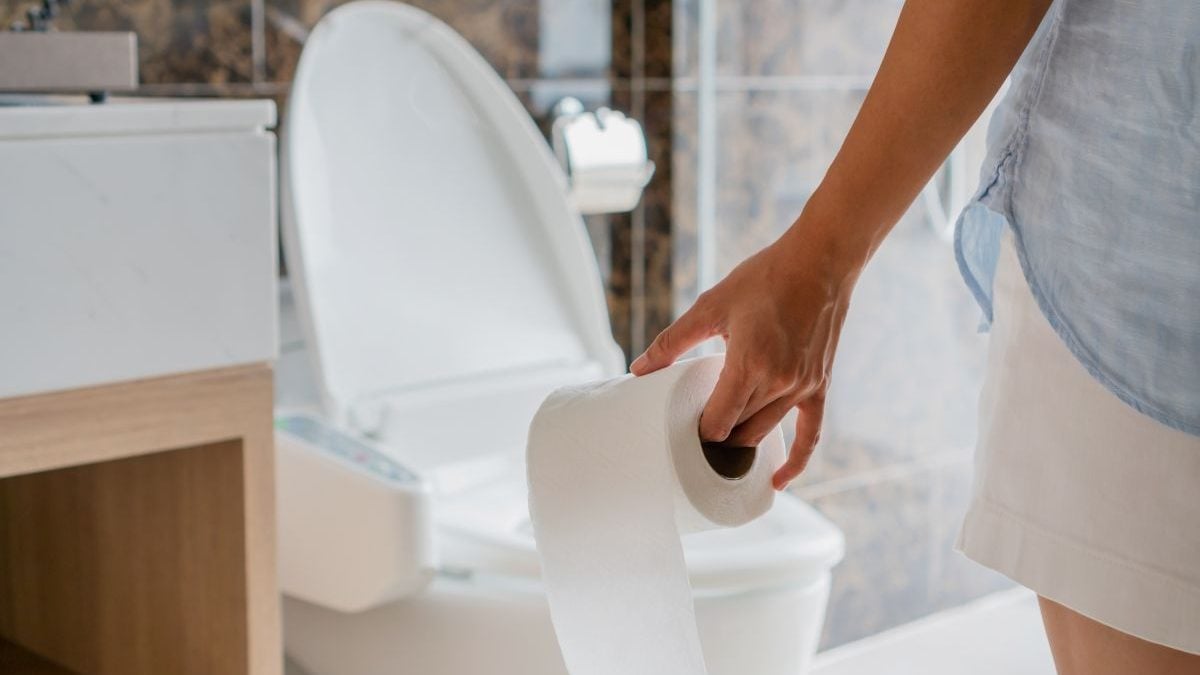
This small “precautionary” pee before an appointment or a car trip has become an automation for many.
But is it really a good idea to force your body when you don’t want to? The emergency doctor Gérald Kierzek warns against the effects of this apparently harmless reflex, but not always harmless for your bladder.
A habit that can harm your bladder
If this habit can be useful in certain cases, it could also, in the long term, completely deregulate the functioning of the urinary system.
However, Dr. Kierzek recognizes this: there are circumstances where to anticipate a urination is quite reasonable. “This can be useful if access to the toilets will be limited“He explains. This is the typical case of a car trip, a major professional meeting or a long meeting where it will be difficult to get up.
He also specifies that this gesture can prevent certain disorders, especially in people at risk. “”In women prone to urinary tract infections, urinate after intercourse or regularly can reduce risks “ he recalls. Indeed, this makes it possible to evacuate any bacteria raised in the urethra.
In men, this advice can also apply. “For men with prostate problems, avoiding retention can be beneficial” Also ensures the doctor. For these specific profiles, this anticipation gesture can limit the complications linked to the stagnation of urine in the bladder.
Why be forced to urinate harm your bladder?
Despite these punctual benefits, the doctor calls for caution. “”If you force yourself too often, the bladder can get used to empty before being full “ he alerts. This habit could lead to a gradual decrease in its storage capacity, resulting in more frequent desires, even a form of bladder hyperactivity.
Another perverse effect hides behind this routine. “”Forcing can lead to incomplete emptying, promoting infections“He said. When the bladder does not completely empty, stagnant urine can become a real terrain conducive to the development of bacteria.
Ultimately, this gesture can eventually deregulate the entire urinary system. “”The bladder works like a muscle: if we make it work unnecessarily, it can lose its tone“Warn the doctor.
Result: an imbalance of the natural reflex, with consequences that settle in the long term. When in doubt, it is better to follow one of the simplest but most effective advice that our expert gives us: “Listen to your body! “