
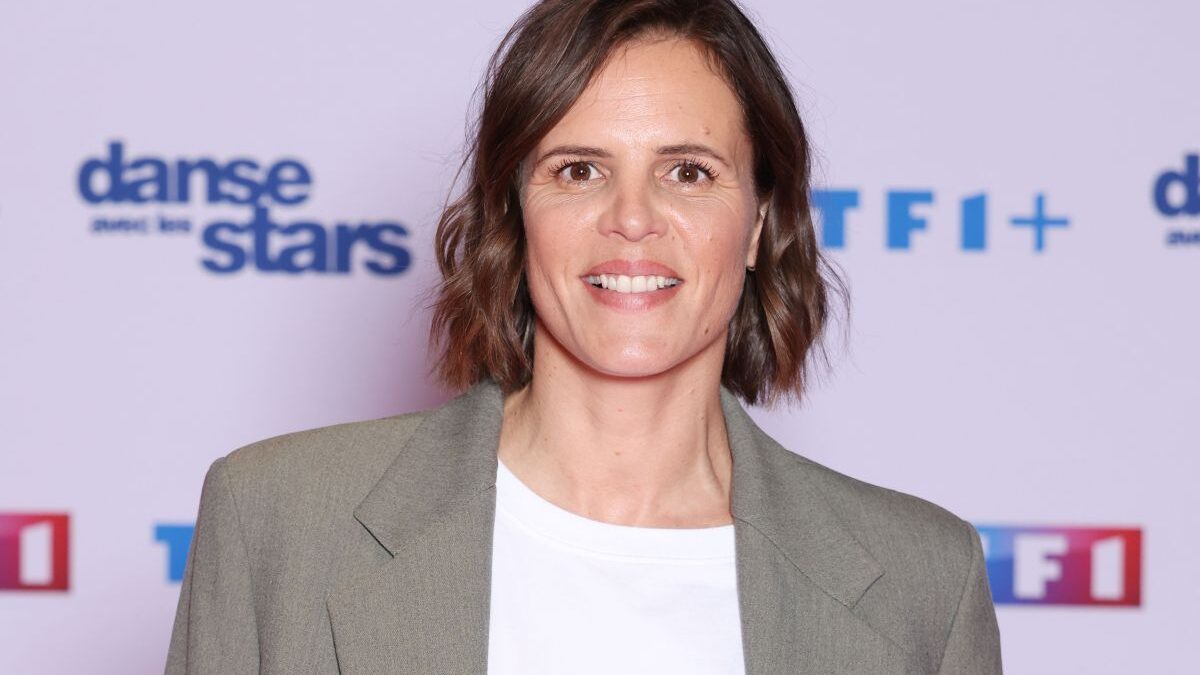
The image is strong: Laure Manaudou, the icon of French swimming, revealing her vulnerability on the court of Dancing with the stars. On February 20, during a rumba, the champion broke the ice.
A year after her divorce from singer Jérémy Frérot, she confessed that she had not been in love for a long time and, above all, that she no longer wanted to be. “I no longer want to be in love because we suffer” she said. A cry from the heart which illustrates a fierce desire for protection.
The repetition compulsion: why do we replay the same dramas?
Behind the successive failures there is often an unconscious mechanism well known to therapists. For psychologist Aline Nativel Id Hammou, it is the “repetition compulsion”. This phenomenon pushes an individual to relive, despite themselves, painful situations from their past.
According to the expert, we replay these moments during different love stories. We then try to overcome a sort of imaginary “bad luck”, hoping each time that the outcome will be different.
“We want to overcome a phenomenon that we are trying to master or control. But most of the time, we don’t take enough perspective on the partners we choose or on our own behavior.” she analyzes.
For Laure Manaudou, who admits that her “last two love stories were really not cool“, this pattern seems to have reached a breaking point.
The influence of early attachment figures
The journey of a high-level athlete is unique. Separated early from her family to join the pools, Laure Manaudou grew up under the authority of substitute figures: her coaches. This context directly influences the way we perceive love in adulthood.
Aline Nativel Id Hammou emphasizes that attachment theory will influence all of our relationships with others. In the case of the swimmer, the need for a framework often met a desire for autonomy.
Our psychologist notes a possible emotional inhibition linked to the rigor of high-level sport, where resistance takes precedence over feeling.
“In private, perhaps she was looking for someone who could repair her or take care of her” says the expert, while specifying that the choice of partners from similar backgrounds (athletes, artists) can create a “mirror effect” where the emotional availability of the other is limited.
The self-esteem behind the champion’s armor
We often imagine Olympic champions blessed with infallible confidence. However, the reality is more nuanced. Laure Manaudou has often spoken of a lack of confidence once out of the water. “Outside of the sporting context, she may lack self-confidence and be in a form of devaluation.”
explains the psychologist.
This vulnerability, long masked by medals and records, resurfaces today. By stating “today, I am alone, and I protect myself”, Laure Manaudou stops suffering her emotions to channel them. She no longer seeks validation in the eyes of a man, but in her own balance.
Chosen celibacy, a sometimes necessary transition towards midlife
As you approach forty, you need to take stock of your life. For Aline Nativel Id Hammou, the champion’s decision is an “adjusted and adapted solution”. This downtime allows you to break the cycle of failures to better understand your own expectations.
“Allowing yourself, without judgment and with indulgence, to take a step back from the romantic profiles you were going towards is essential.” she says. “This celibacy is not a definitive renunciation, but a parenthesis to refocus on new projects and on parenthood.
For Laure Manaudou, the absolute priority is now her three children. By choosing to no longer expose herself emotionally, she secures her family base. “It’s not that love is no longer made for her, it’s that she needs this break to take care of herself.” concludes Aline Nativel Id Hammou.