
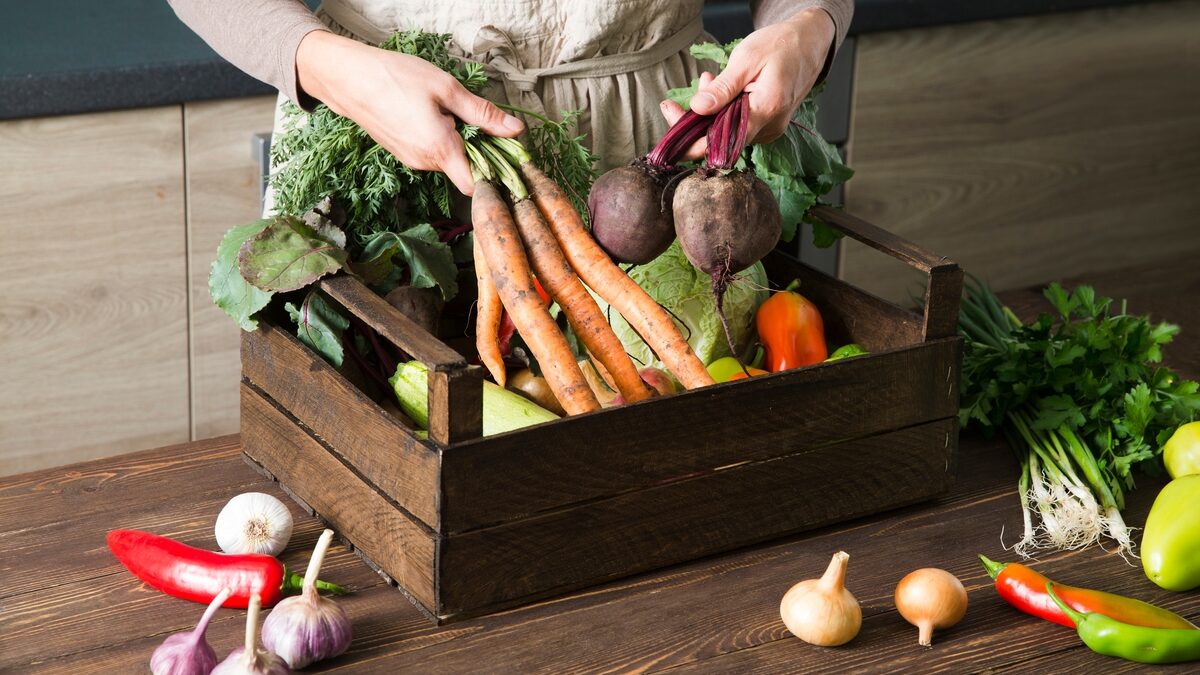
Too often shunned, root vegetables are nevertheless full of benefits. Their richness in fiber, minerals and antioxidants make them valuable allies for stabilizing blood sugar levels, supporting immunity and maintaining good vitality. But which ones to favor on the stalls? Julie Boët, dietician-nutritionist, shares with us 5 to put on your plate straight away.
Parsnip
Among root vegetables, parsnips are one of the big favorites! It is distinguished by its slightly honeyed scent and its melting texture, ideal for pureeing.”Its high soluble fiber content contributes to more stable digestion, while providing a lasting feeling of satiety. These fibers also have a positive impact on blood sugar and cholesterol. Finally, it contains polyacetylenes, plant compounds that are often neglected but which have interesting anti-inflammatory potential. confides the dietitian. In cooking, parsnips reveal all their character when they are slowly roasted: gentle cooking allows their natural sugars to develop while limiting glycemic peaks.
Beetroot
If beetroot is so attractive, it is in particular thanks to its bright color, due to betalains (these famous antioxidant pigments which support micro-circulation) as well as its flavonoids, which help fight against oxidative stress.
“In winter, when the feeling of fatigue is more frequent, this property becomes particularly valuable. The beet retains its potential when it is cooked whole in the oven, wrapped in baking paper, a process which concentrates the aromas and limits the escape of minerals into the cooking water”, admits the expert. In cooking, a slight acidity added after cooking (like a few drops of lemon or cider vinegar) reveals its sweetness without masking it.
The carrot
The carrot, often considered a vegetable too common to be celebrated, nevertheless has countless virtues. Its carotenoid content is not limited to beta-carotene; it hosts a whole range of fat-soluble pigments which support the skin, vision and the regulation of oxidative stress. “Carrots also have a low glycemic index and are rich in fiber, helping to regulate blood sugar levels. confides the nutritionist. Good to know: short steam cooking, accompanied by a dab of quality fat (butter, olive oil, etc.) optimizes the absorption of its pigments.
Celeriac
Often shunned for its unsightly appearance, celeriac is actually a super vegetable. Its richness in alkalizing minerals, particularly potassium, makes it a valuable partner during winter meals, which are often richer and saltier. “In fact, the latter helps fight inflammation, osteoarthritis and osteoporosis. Its aromatic profile, halfway between hazelnut and herbaceous notes, brings an unexpected lightness to simmered dishes,”
assures the specialist. It also reveals its best when cooked in cubes in a reduced broth – this technique allows it to delicately absorb the surrounding flavors while maintaining a melting texture.
Jerusalem artichoke
Jerusalem artichoke is one of the root vegetables that is scary in the kitchen. However, its richness in inulin (a recognized prebiotic) nourishes certain intestinal bacteria that are particularly active in regulating immunity. “However, this same inulin can cause digestive discomfort when Jerusalem artichoke is consumed raw or in large quantities or in cases of digestive sensitivity. I recommend opting for long and gentle cooking in order to neutralize this effect as much as possible while preserving its slightly sweet aroma and tender texture. concludes Julie Boët. Combined with an herb (like thyme or tarragon), it becomes delicious and helps, as a bonus, to regulate transit.
Enough to put the vegetables in the center of the plate!