
When the temperatures drop, we take out the blankets and turn up the heating. For the brain, this season remains full of traps. Dr. Baibing Chen, neurologist American known on TikTok as Dr. Bing, explains that he sees the same mistakes repeated in his patients every winter.
In several videos that have gone viral, he details three things he does not do in winter to stay healthy: using additional heating without extreme vigilance, neglecting the impact of light and vitamin D on mood, and engage in intense physical efforts without warming up. Banal gestures, but which can range from simple discomfort toStroke or heart attack.
Additional heaters: the invisible risk that this neurologist refuses to take
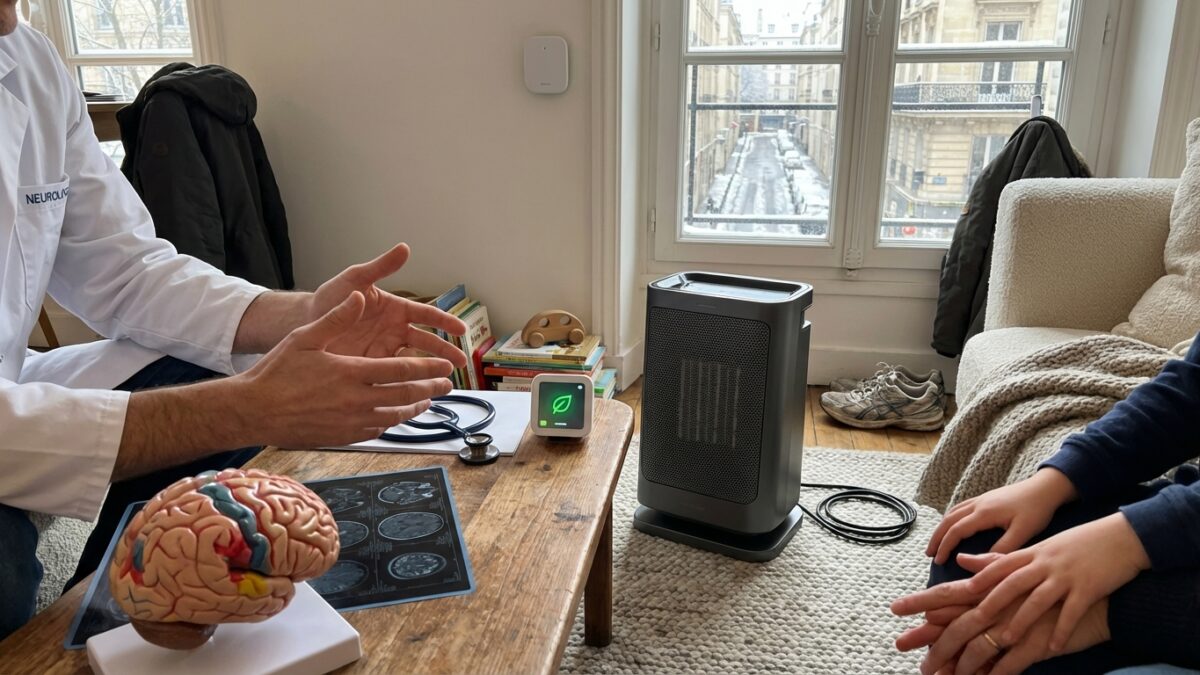
For Dr. Chen, space heaters are never trivial. “Space heaters are one of the leading causes of home fires in winter, and in poorly ventilated spaces, especially unventilated, they can cause a buildup of carbon monoxide that starves your brain of oxygen“, explained Baibing Chen. This odorless gas, produced by poorly maintained appliances or used with closed windows, can invade a home without anyone realizing it. The specialist recommends ventilating well, having your heating appliances maintained and installing a carbon monoxide detector.
And the consequences can be serious, ranging from discomfort to brain damage or death in the event of massive exposure. Warning signs that should not be minimized include:
- Sudden headaches, nausea or dizziness;
- Unusual confusion, memory or vision problems;
- Severe fatigue, loss of consciousness or several sick people at the same time.
Less light, lower mood and vitamin D
The reduction in light in winter also has a direct effect on the brain. When the days get shorter, the production of serotonin and melatonin decreases: mood deteriorates, concentration declines, sleep becomes disrupted. This cocktail can lead to seasonal depression, a form of depression that appears in fall and winter. According to this expert, “There are solutions to counter this phenomenon, such as using a light therapy lamp for 20 to 30 minutes in the morning, exercising regularly and going outside during the day. All of this helps reset your brain’s biological clock.”.

To mitigate these effects, he also emphasizes the role of
vitamin D : “Here’s the one thing I don’t do in winter as a neurologist: ignore the impact of vitamin D on your brain and body. Vitamin D is crucial for brain health because it helps maintain mood, memory and cognitive functions“, detailed the specialist. He recalls that an excess of supplements, this vitamin being stored in the body, can cause serious problems and should always be discussed with a doctor.
Exertions in the cold: why it always overheats
To avoid cardiovascular accidents during winter tasks, Dr. Bing emphasizes the importance of stretching and warming up before engaging in any physical activity. He specifies: “Cold can mislead the brain into thinking that effort is less because you don’t feel the usual heat or sweating.”. “However, this can be risky, because even a seemingly simple task like shoveling snow can be more demanding than you imagine. I have watched people suffer heart attacks and strokes because of this. So, it is crucial to always stretch and warm up for at least five to ten minutes, and take a break every fifteen to twenty minutes.”he advises.