
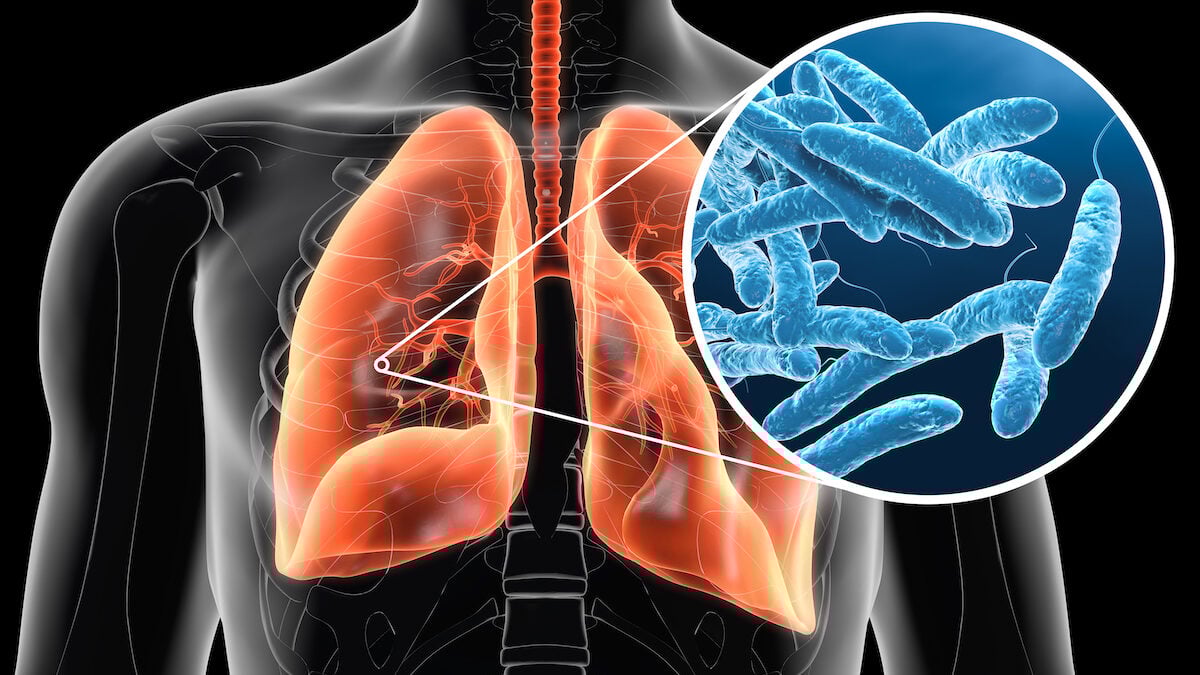
Cooling towers and air conditioning systems are at the heart of the investigation, while the authorities recall the symptoms and risks of this pulmonary infection.
5 dead in Harlem, the legionellosis pointed out
Since the beginning of August, five people have died in Harlem after contracting a legionellosis, according to the New York Health Department. The survey carried out on site revealed the presence of bacteria in several towers of the area.
The NYC Health Department specifies: “The probable source of the bacteria responsible for this pneumonia in the community is a cooling tower located in the affected area. Cooling towers are water systems that are generally found at the top of the buildings. They control the temperature of cooling systems, such as central air conditioning or refrigeration. Cooling towers spray a mist from their top which can contain the bacteria. All cooling towers in the affected area are currently tested by the Department of Health “.
Local authorities have launched an analysis and disinfection campaign to avoid any additional spread.
Discreet pneumonia often confused with COVVID
The legionellosis owes its name to an epidemic which had struck veterans gathered in Congress in Philadelphia, in the Bellevue-Stratford hotel in 1976. The bacteria Legionella Develops in hot water systems and is particularly favored by air conditioning networks.
Its symptoms resemble those of flu or covid: fever, persistent cough, muscle pain, chills or unusual fatigue. It is this similarity that makes detection difficult and often leads to a delay in diagnosis.
But some signs make it possible to make the difference.
- The legionellosis is frequently accompanied by fatty coughs with sputum, digestive disorders (diarrhea, loss of appetite), headache or mental confusion, which is rarer with COVVID. In addition, the appearance of symptoms is rapid, between 2 and 10 days after exposure;
- Conversely, the covid is characterized by a dry, frequent cough, ENT symptoms (blocked nose, sore throat), a progressive respiratory difficulty. Loss of taste and smell, characteristic of many coronavirus infections, is not a symptom of legionnaire’s disease. Finally, the incubation is longer, between 2 and 14 days.
According to Dr. Kierzek, the rapid appearance of legionellosis, associated with digestive or neurological problems, should be an alert signal. On the other hand, COVVI-19 tends to develop more gradually.
Symptoms, contagiosity, risks and treatment of legionellosis
Legionellosis is a pulmonary infection caused by the inhalation of fine particles of contaminated water. Unlike flu or covid, they are not contagious: a sick person cannot transmit the infection to another. The most risky people are those over 50, smokers, chronic lung patients as well as those whose immune system is weakened by a disease or treatment.
The first signs of the disease are close to those of a flu: high fever, cough, shortness of breath, muscle pain, sometimes accompanied by confusion, diarrhea or loss of appetite. Doctors insist on the need to consult quickly in the event of respiratory symptoms, especially for fragile people.
Treatment is based on antibiotic therapy, often effective when administered quickly. Most patients heal with early management, but some cases can evolve towards a serious form requiring hospitalization.