
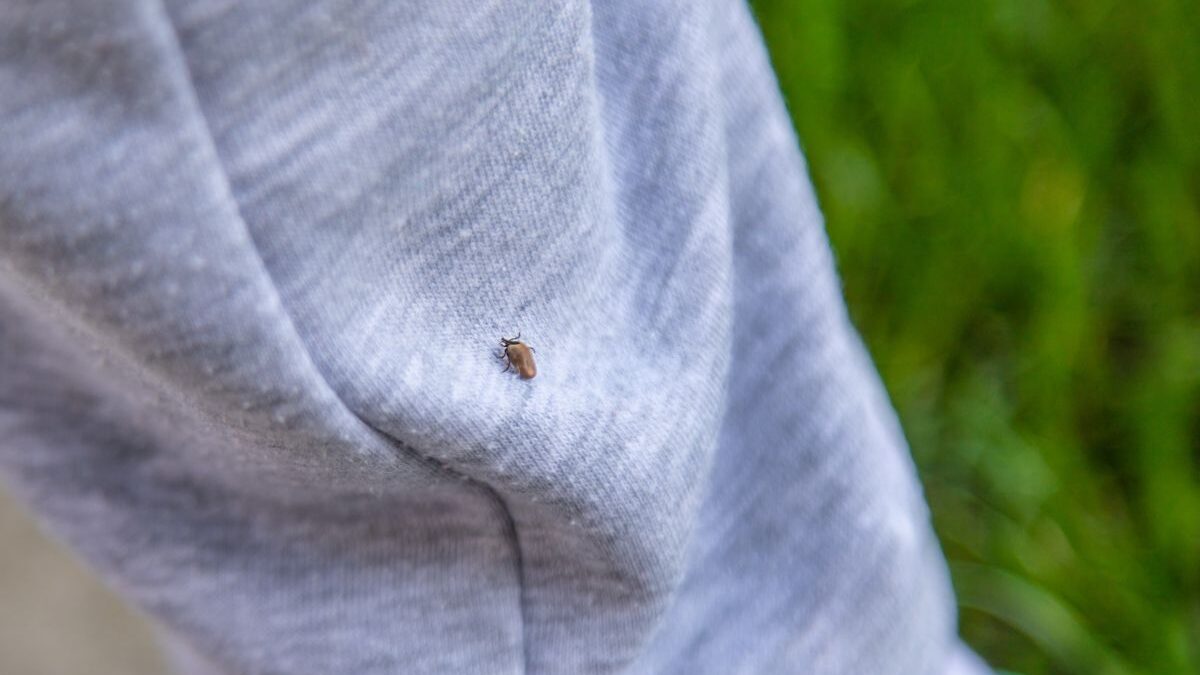
In this month of March, vigilance is required. Although we often associate ticks with summer hikes, the awakening of these parasitic mites is much earlier than we think.
Asked by The DispatchJonas Durand, research engineer at the University of Lorraine and member of the CiTIQUE program, warns: “The period has started, in particular because of the milder temperatures of recent weeks.”
A forest parasite that is now coming into your gardens
Ticks are no longer just the concern of mountain dwellers or forest rangers. In France, the most common species, Ixodes ricinusappreciates vegetated, humid and warm areas. If the forest remains its stronghold, it adapts perfectly to meadows, green spaces and, increasingly, private gardens. According to INRAE, 30% of injections now take place at home.
Dr Gérald Kierzek, emergency doctor, confirms this urban change. “We observe a clear increase in their presence in the city and the outskirts“. This phenomenon is explained by urbanization which fragments forests and increases the areas of contact with rodents, the preferred vectors of ticks.
The blatant impact of climate change on their activity
The tick calendar is being disrupted by global warming. Mild winters allow parasites to remain active longer, while their range expands.
“There are more bites throughout the year” underlines Jonas Durand.
The expert also notes a conquest of the summits: while they were not found above 1,000 meters twenty years ago, today they reach 2,000 meters in altitude. At the same time, the giant tick Hyalomma marginatumcoming from North Africa, settled permanently on the Mediterranean rim and moved northwards.
Lyme disease and pathogens: what are the risks?
A tick bite is not just a skin annoyance; it is an entry point for bacteria and viruses. The most famous is Lyme borreliosis, which affects around 50,000 new people each year in France. “When feeding, ticks can become carriers of potentially pathogenic microbes” explains Jonas Durand.
The risk is real because, from March onwards, walkers are less on their guard than in the middle of summer. “We think about it less than during the May-June peak, which can delay their withdrawal and increase the health risk.”
Prevention and good reflexes: how to react in the event of a sting?
To protect yourself, wearing long, light and covering clothing is the golden rule, recalls Dr Gérald Kierzek. After each outing, a careful inspection of the body (armpits, folds, scalp) is essential. If a tick is planted, forget about ether or alcohol which encourages saliva regurgitation.
Dr. Kierzek recommends the exclusive use of the tick remover. “You must then grasp the tick as close as possible to the skin and gently turn counterclockwise. Above all, never pull suddenly“.
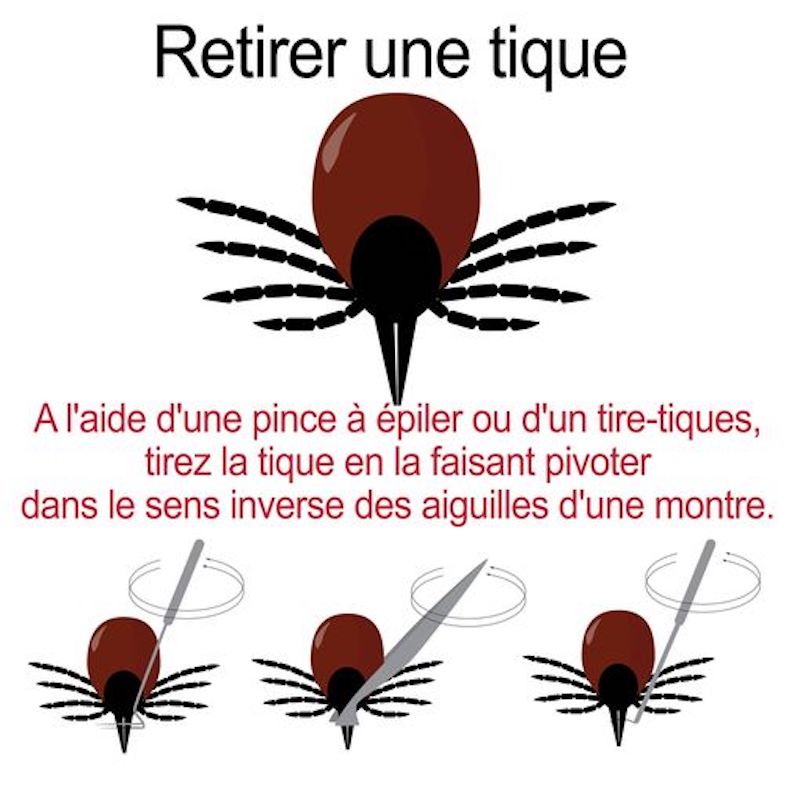 © True Medical
Once extracted, disinfect the area and monitor for the appearance of erythema migrans (red halo) for 30 days.
You have understood: the invasion of ticks is no longer a seasonal threat but a lasting public health issue. Participatory research, via the CiTIQUE program, now makes it possible to better map them to better protect ourselves from them.
By adopting the right actions this March, you can continue to enjoy nature with complete peace of mind.