
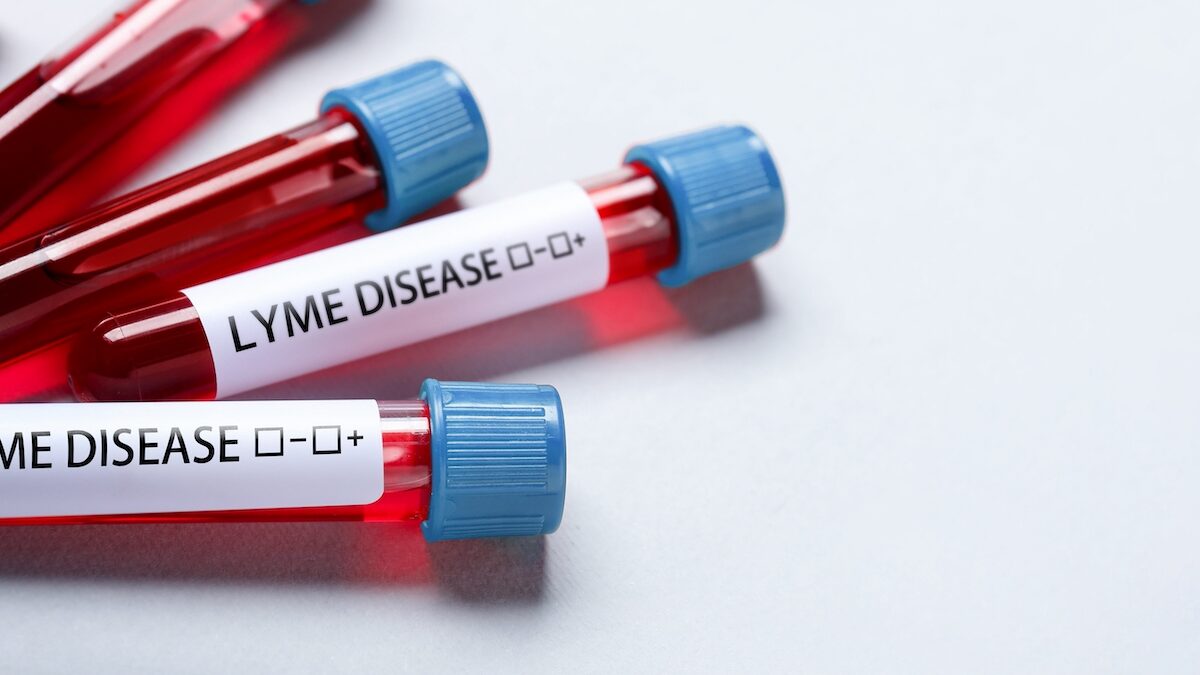
Lyme disease is more treatable when the diagnosis is made early, yet the tests used today still miss many recent infections. They are looking for “classic” antibodies directed against the bacterium Borrelia burgdorferi, which can take weeks to appear and remain positive for years, blurring the line between old and new infection. According to a study published on June 30, 2026 in the journal
Infection and Immunity by Tufts University School of Medicine, another signature of the immune system could be a game-changer by spotting infection earlier and shedding light on lingering symptoms.
At the heart of this track, researchers at Tufts University School of Medicine, led by Peter Gwynne, are focusing on anti-lipid antibodies, molecules that the immune system produces against certain fats borrowed by the bacteria from the human body. These biomarkers appear very early, then decline after effective treatment. For clinicians, the idea is simple: finally have a blood signal that matches the real timing of the infection and the evolution of symptoms.
Why Current Lyme Disease Testing Is So Frustrating
Current Lyme tests detect antibodies that primarily reflect the immune system’s memory. “The problem is that these antibodies do not have the right characteristics to be useful in the clinic“, explains Peter Gwynne. “These antibodies can take weeks to appear and often remain detectable years after the bacteria have disappeared.“, adds the researcher. Result: at the start of the infection, the test can be negative, then remain positive long after recovery.
For the nearly half a million Americans diagnosed and treated each year, this ambiguity has real-world consequences. An estimated 10% to 20% continue to suffer from fatigue, pain or cognitive impairment after treatment, a condition called post-treatment Lyme disease syndrome. Without a reliable tool to tell whether the infection has passed or is still active, doctors and patients often navigate doubts.
Lyme: the trail of anti-lipid antibodies αPA and αPS
The Tufts team analyzed the blood of 199 people with Lyme, some retaining symptoms for months or even years after antibiotics. The researchers compared their profiles to those of healthy volunteers and patients suffering from diseases with similar symptoms, such as lupus, multiple sclerosis, fibromyalgia, long Covid or chronic fatigue syndrome. “Unlike the antibodies used in current Lyme borreliosis screening tests, these anti-lipid antibodies appear in the early stages of infection and wane after effective treatment“, explains Peter Gwynne.
Three anti-lipid antibodies were released, including anti-phosphatidic acid (αPA) and anti-phosphatidylserine (αPS). “Two of these antibodies – anti-phosphatidic acid (αPA) and anti-phosphatidylserine (αPS) antibodies – were elevated at diagnosis, even in some patients whose standard Lyme borreliosis tests were still negative, suggesting that they could contribute to earlier diagnosis“, indicate the authors. αPS levels also remained more often elevated in patients with persistent symptoms, whereas they were rarely detected at this level in the other chronic diseases studied.
Towards a future diagnostic test for Lyme disease?
For now, these antibodies remain biomarker candidates. “They could also help clinicians better identify patients who continue to have symptoms of infection after treatment and, potentially, discover new targets.“, argue the authors of the study. Peter Gwynne believes that “If these results are confirmed by other studies like the clinical trial, these differences could point researchers toward new therapies for people who have persistent symptoms despite treatment for Lyme disease“.
A large, multi-institutional study led by Tufts is now following patients for up to 15 months after diagnosis to test whether these markers truly identify early infections and predict the course of symptoms. In the meantime, the diagnosis of Lyme disease still relies on clinical examination, precise questioning after tick bite and validated tests, with their well-known limitations.