
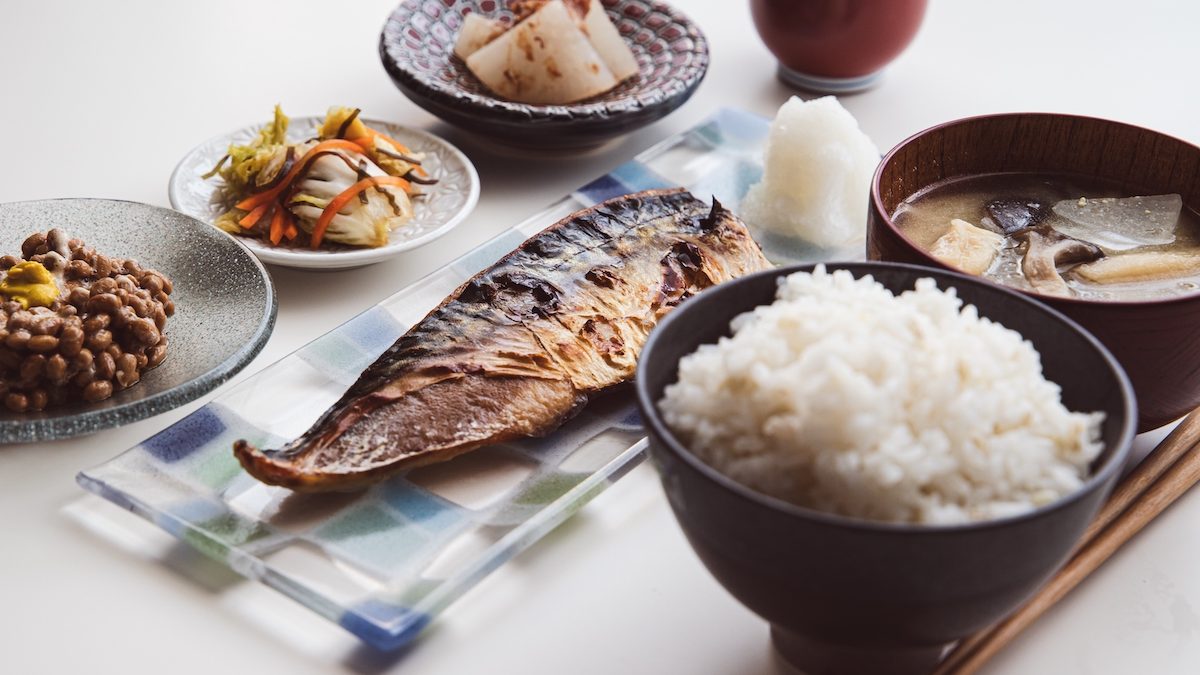
Okinawa, a small island in the south of Japan, is the subject of all attention. This “blue zone”, one of the five regions in the world where people live the longest in good health, intrigues researchers and nutritionists. One of the pillars of this longevity? A simple, colorful diet, rich in nutrients and fermented products.
A Japanese nutritionist, Yukari Hino, regularly shares the foods she eats daily to maintain her health and vitality. Here are the stars.
Matcha: antioxidant green gold
Highly prized in traditional ceremonies, matcha is a green tea powder with exceptional properties. Rich in catechins (notably EGCG), it is recognized for its antioxidant power, capable of fighting against cellular aging, oxidative stress and certain cardiovascular risk factors.
According to a study published in Nutrients (2020), regular consumption of green tea is associated with a reduced risk of heart and metabolic diseases. Bonus: its L-theanine content promotes a state of calm alertness, ideal for reducing stress without drowsiness.
Miso: the ferment that protects the microbiota
Made from the fermentation of soy (sometimes mixed with rice or barley), miso is a salty paste widely used in the eponymous soup. It is full of probiotics beneficial for the intestinal flora and the immune system.
According to a study by the National Cancer Center
Japanese, women who regularly consume miso have a reduced risk of breast cancer. Thanks to its isoflavones (phytoestrogens from soy), it could also play a role in the prevention of osteoporosis and disorders linked to menopause.
Algae: concentrates of iodine, fibers and minerals
Nori, wakame, kombu… These marine algae are an integral part of the Japanese diet. Low in calories but rich in iodine (essential for the thyroid), they also offer a good supply of soluble fiber, helping with satiety and digestion.
THE Journal of Applied Phycology reports that certain seaweeds, such as wakame, can help regulate cholesterol levels and blood sugar levels. They are also rich in fucoxanthin, an antioxidant with anti-inflammatory properties.
Goya (or bitter cucumber): the vegetable of Okinawan centenarians
This green vegetable that looks like a bumpy zucchini is very popular in Okinawa. Despite its bitter taste, it is known for its antioxidant and antidiabetic properties. It contains charantin, a compound that may help regulate blood sugar levels.
According to studies of Okinawan populations, goya is one of the most consumed foods among centenarians, often stir-fried with tofu in a dish called goya champuru.
Tofu: the soft and digestible protein
A plant-based source of protein, tofu is rich in essential amino acids, iron and calcium. It is low in calories and easily assimilated, making it an excellent alternative to animal proteins.
Research shows that people who regularly consume tofu have a better lipid profile (lower LDL cholesterol), and potentially reduced cardiovascular risk.
Edamame: young health sprouts
These are immature soybeans, usually served as an appetizer in Japan. Very rich in plant proteins, fiber, iron, magnesium and antioxidants, they help control blood sugar levels and support cardiovascular health.
They are also a good source of folate, important for the proper functioning of the nervous system.
Black sesame: a concentrate of calcium and good fats
This little black grain is a nutritional bomb. Rich in calcium, iron, vitamin E and unsaturated fatty acids, it is excellent for bones, skin, hair and cardiovascular health.
According to a study published in the Journal of Nutrition and Metabolismblack sesame could also help regulate blood pressure.
Daikon: detox white radish
Widely used in Japanese cuisine, daikon is a giant radish often served raw, marinated or grated. Rich in digestive enzymes (such as myrosinase), it facilitates the digestion of fats and stimulates the liver. It is also very hydrating and low in calories.
A preventive diet, not restrictive
What is striking about Japanese food is its diversity, simplicity and balance. Little processed, very plant-based, it focuses on the quality of the products, moderation of portions, and attention paid to digestion and satiety. It perfectly illustrates the concept of “preventive nutrition”, much more than a simple diet.
Incorporating some of these Japanese superfoods into our diet can be a tasty way to take care of your health. It is not a question of adopting a strict diet, but of drawing inspiration from their virtues to eat better every day. And why not, live a little longer… and in better shape.