
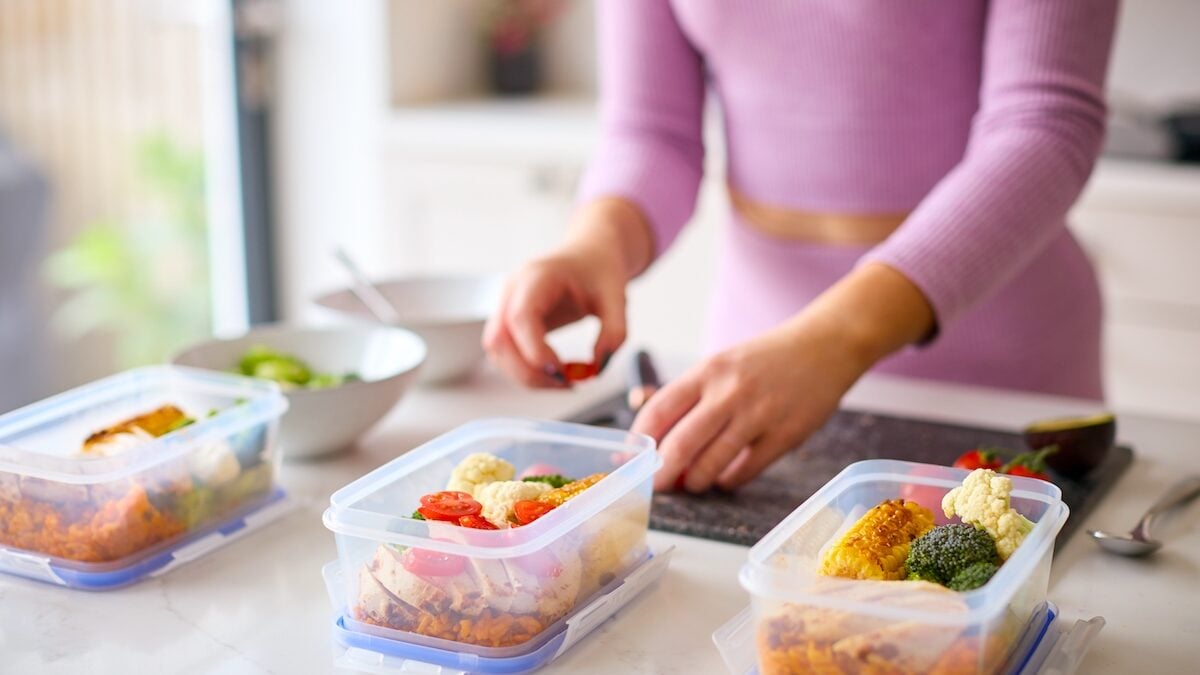
Practical, light and inexpensive, plastic boxes seem perfect for storing everything in the fridge. Except that certain foods react badly to contact with plastic, between chemical migration, altered taste and freshness which evaporates more quickly. To see clearly, we have sifted through the foods that should not be stored in plastic, with simple and safe alternatives to adopt immediately. You will gain in flavor, safety and shelf life.
Why avoid plastic with certain foods?
Heat and acidity accelerate the degradation of certain plastics. “When plastics are heated, such as when reheating leftovers, they can break down and release substances like BPA (bisphenol A) or phthalates into your food.“, says Nikki Kuhlmann, dietitian, quoted by EatingWell.
In terms of regulations in France, bisphenol A is already banned from food containers. “It is supposed to be banned since 1er January 2015 in all food containers and utensils. But, it could still be present in cans (especially manufactured outside France), cans, food processors“, explained Dr Laurent Chevallier, nutritionist, in a previous article. The result can also be more trivial: odors and taste of plastic, or even transfer of potential microplastics in very acidic sauces.
To avoid unpleasant surprises, do not heat your meals directly in plastic.
6 foods not to store in plastic
Here are the products to take out of plastic boxes first, and how to store them properly instead.
- Hot dishes: heat weakens the plastic and promotes the migration of compounds. Transfer to glass or stainless steel to store and reheat your dishes. If you only have plastic on hand, let it cool completely before putting your meal in it;
- Artisanal cheeses: brie, washed rinds, blue cheeses and other fine cheeses need air and controlled humidity. Plastic wrap is suffocating, traps moisture and can give off a false taste. Wrap them in cheese paper; failing that, greased paper then loosely closed plastic bag in the refrigerator. The blue ones also tolerate tight wrapping in aluminum foil;
- Tomato sauce and acidic foods: tomato sauces, vinaigrettes and citrus juices stain, damage plastic and encourage the transfer of compounds. “I almost never store acidic foods in plastic“, warns Megan Meyer, doctor in microbiology. Choose a glass jar or a stainless steel box to keep the flavor and color intact;
- Onions and garlic: these alliums are dried to last. Encasing them in sealed plastic traps moisture, leading to mold and germination. Store them in a cool, dark, dry place, in their original mesh or an open paper bag to allow air circulation;
-
Leafy vegetables:
once the bag is opened, humidity accelerates wilting and rotting. “Wrap greens in a clean towel and store them in a sealed container to keep them fresh longer“, explains Kuhlmann. Practical tip: slip a sheet of dry paper towel into the package, or transfer to a rigid box lined with absorbent paper, lid placed loosely; -
Fresh herbs:
the closed plastic quickly turns them into mush. Treat them like flowers: jar or glass with half water, cut 1 cm of stems, plastic cap placed very loosely to avoid wilting, then refrigerator. Done well, they can last up to two weeks; placing the jar in the door helps prevent spills.
The right reflexes to adopt
Do not reheat in the microwave in a plastic container, even one marked microwaveable. Transfer to glass or stainless steel, non-reactive. For everyday use, keep the plastic for cold or room temperature foods that can be consumed quickly, such as salads or sandwiches.
The refrigerator setting makes a difference. Meyer recommends maintaining between 1.7°C and 4.4°C, to limit waste and risks. A spot check with a small thermometer is essential.
On the material side, borosilicate glass withstands hot and cold, can be used in the oven or in the microwave, without interacting with food. Stainless steel is light, sturdy and safe for hot dishes. For cheeses, cheese paper remains the reference, while parchment paper works very well for troubleshooting, then placed in a bag placed loosely to maintain a little air exchange.