
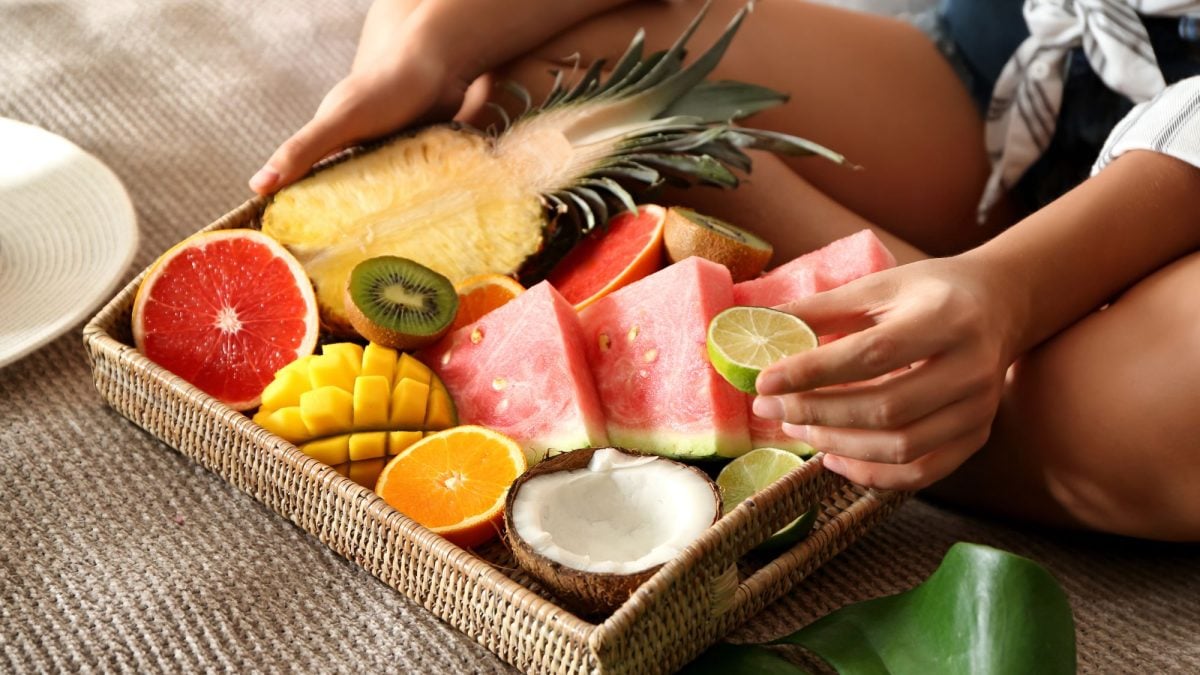
Rich in vitamin C and antioxidants, grapefruit is generally considered a superfood. However, as we get older, it would be better to avoid consuming them, according to American nutrition experts.
Grapefruit, a fruit capable of interacting with certain medications
Indeed, grapefruit, due to its composition, can interfere with several medications commonly taken as we age. There are in particular:
- Statins, which are cholesterol medications. “Grapefruit and grapefruit juice are known to interfere with statins, which are used to lower cholesterol” explains dietitian Sarah Hormachea for the Huffington Post US. “A compound in grapefruit called furanocoumarins compete with the enzyme in our liver that is used to metabolize statins.”. By blocking it, it causes excessive accumulation of the drug in the body and therefore increases the risk of side effects;
- Anticoagulants. The fruit is capable of altering the absorption of the drug and causing dangerous fluctuations in blood clotting. Maria Emerick, another dietician interviewed, explains that the fruit can notably interact negatively with warfarin, a specific type of anticoagulant;
- Certain medications for high blood pressure and heart problems. Here too, grapefruit can interfere with their metabolism. It can increase or decrease their effectiveness, which is risky for the heart.
Attention, “all it takes is one grapefruit or glass of juice to disrupt the way these medications work“, according to experts.
Vitamin K is also a nutrient to watch out for
As we age, it’s important to pay attention not only to grapefruit, but also to certain vitamins, including vitamin K. Essential for blood clotting, it is found in large quantities in foods like spinach, kale and broccoli. However, its consumption can interact with anticoagulant treatments, thus influencing their effectiveness. It is therefore recommended to monitor your dietary intake of vitamin K when taking these medications.
“Foods rich in vitamin K may interfere with the effectiveness of blood thinners like warfarin. Vitamin K helps blood clot, which counteracts the blood-thinning effects of warfarin. People on warfarin should therefore maintain a constant intake of vitamin K daily and monitor their diet accordingly.” explains Maria Emerick again.
The recommended vitamin K intake for an adult is 90-120 micrograms per day. As an indication, there are 145 micrograms of vitamin K in a cup of raw spinach and 220 micrograms in a cup of cooked broccoli.
The expert’s solution? Consistency. Rather than eliminating these foods, it is advisable to maintain a stable intake of vitamin K to avoid dangerous variations in blood clotting.
“VYou can still include foods rich in vitamin K in your diet” estimates the expert. “But be sure to consume the same amount each time, to stabilize your medication dose, while still enjoying green vegetables in your diet.“.
Ask your doctor for advice, if necessary
Although foods like grapefruit and green vegetables are generally beneficial for your health, they can pose risks when they interact with certain medications. To avoid any complications, it is essential to speak with your doctor, who will be able to advise you on the best way to consume them safely.