
When you take a medication as common as paracetamol or ibuprofen, you don’t necessarily think about what you’re drinking next. However, certain everyday drinks can influence, in a very discreet way, the way in which these treatments work.
“In practice, very few drinks really “modify” the effectiveness of paracetamol or ibuprofen in the sense of over- or under-activity, but certain drinks can increase their hidden undesirable effects, or sometimes slightly accelerate or slow down their proper absorption,” indicates Dr. Gérald Kierzek, emergency physician and medical director of True Medical.
So here’s everything you need to know about it.
Alcohol : the drink to limit as a priority
Are you currently taking paracetamol or ibuprofen – and do you allow yourself a small glass of rosé at the same time? Caution. This intake is not without risks when accompanied by alcohol.
- For paracetamol : “Alcohol here increases the risk of liver damage, especially if the dose of paracetamol is already high or repeated,” alerts Dr. Gérald Kierzek;
- For ibuprofen : Alcohol increases the risk of digestive disorders (gastritis, ulcer, digestive bleeding) “because it irritates the gastric mucosa“, warns the medical director of True Medical.
If combining alcohol and medication is a frequent reflex – even commonplace – you will have understood: this combination puts a strain on the body. The liver and stomach are particularly at risk of side effects (including damage), since they are the two organs involved in the metabolism of drugs and alcohol.
Be careful of caffeine (coffee, tea, colas)
Taking caffeine – contained in particular in coffee and/or tea – is part of our daily habits, even when we are under treatment. However, without being truly dangerous, it can slightly influence the way certain medications act…
“Some studies indicate that caffeine can slightly increase the absorption of paracetamol, which is not necessarily a one-off problem, but can be a concern if you combine high doses of caffeine and paracetamol and/or if you are sensitive to caffeine,” says Dr. Gérald Kierzek.
As for ibuprofen, caffeine does not directly interact with its effectiveness,”but it can accentuate its side effects (nervousness, palpitations, unstable and poor quality sleep)”the doctor further specifies.
Sparkling water: underestimated effects
No, sparkling water does not have the same effects as still water: it could slightly modify the speed of absorption of certain medications.
“A study indicates that paracetamol would be absorbed faster with sparkling water than with still water, which may provide faster relief but does not change the total dose or duration of action. Sparkling water is therefore neither ‘forbidden’ nor necessary, but it does present this small variation in absorption to take into account”, explains Dr. Gérald Kierzek.
Grapefruit juice: a precautionary measure is necessary
Often perceived as a healthy, even “healthy” drink, grapefruit juice can nevertheless interact with certain medications. It modifies the way certain molecules are assimilated by the body (it blocks an enzyme responsible for breaking down drugs), and therefore changes their effects.
“It mainly interferes with other medications (hypotensives, statins, etc.), but does not significantly disrupt paracetamol or ibuprofen. However, in general, it is better to limit the intake of this juice with any drug treatment,” recommends the emergency doctor.
Finally, what to drink?
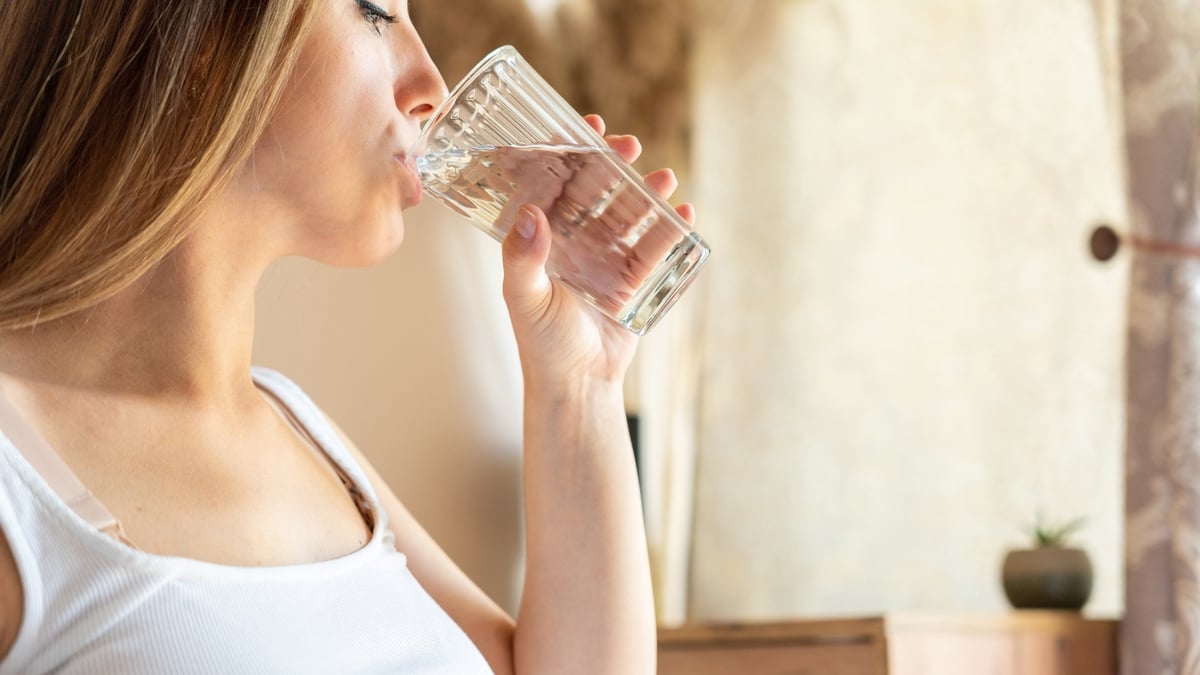
As usual, and not surprisingly, water should remain your drink of choice.
“Water remains the preferred drink for taking a tablet. It does not modify the effectiveness of the treatment and minimizes interactions,” concludes Dr Gérald Kierzek.
As a general rule, when undergoing treatment, be vigilant about the drinks you consume. Your body will thank you!