
Each year, more than 100,000 skin cancers are diagnosed in France. However, many preconceived ideas persist about the risks associated with the sun. The ARC Foundation takes stock and reminds you of the good reflexes to adopt to better protect yourself.
The sun remains a major factor in skin cancer
With the increase in heatwave episodes, exposure to the sun is more than ever at the heart of public health concerns. In a press release published in July 2026, the ARC Foundation for Cancer Research warns of the persistence of false beliefs concerning UV rays and their effects on the skin.
The stakes are high: more than 100,000 new cases of skin cancer are diagnosed each year in France. According to the ARC Foundation, around 80% of these cancers are linked to excessive exposure to the sun. The aging of the population, the evolution of outdoor leisure activities and the fashion for tanned skin have contributed to this increase, with the number of cases more than tripling between 1980 and 2012.
Professor Stéphane Dalle, professor of dermatology at the Hospices Civils de Lyon, whose research is supported by the ARC Foundation, answers the most frequently asked questions.
Are sunburns really dangerous? Yes, and from a very young age
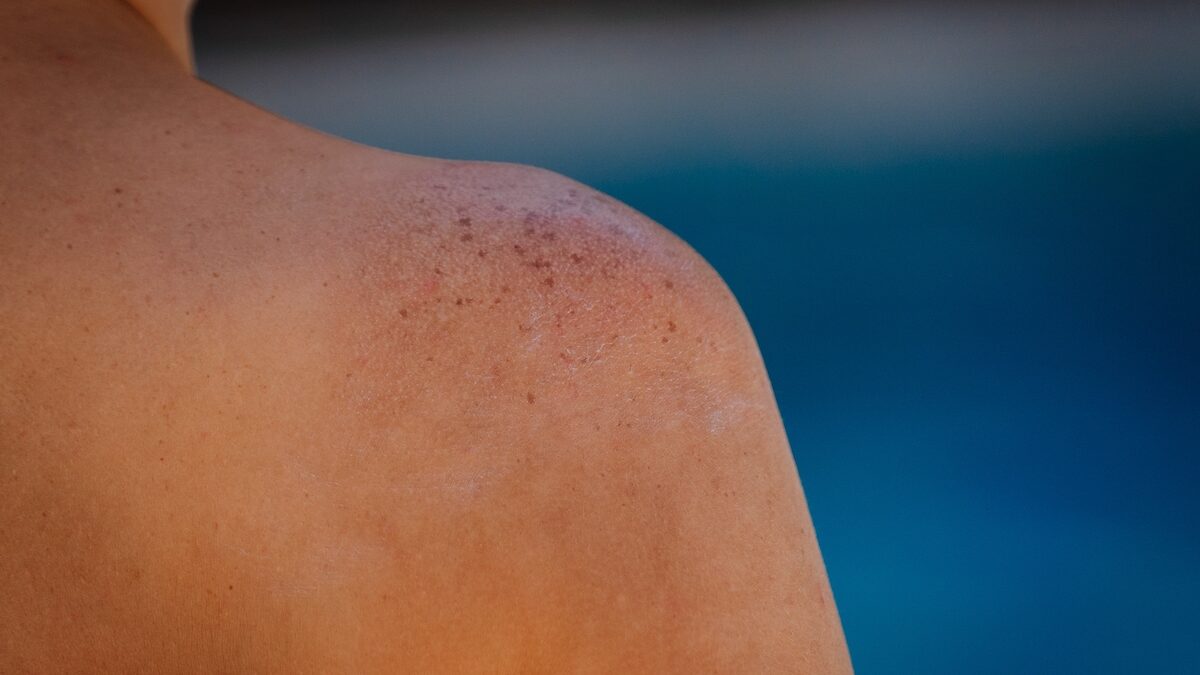
Contrary to popular belief, a sunburn is not just a temporary redness. This is a burn caused by UV rays, which reflects damage to skin cells.
Repeatedly, these attacks can cause DNA mutations and increase the risk of skin cancer, particularly melanoma. Sunburns occurring during childhood and adolescence are of particular concern because they increase the risk of developing skin cancer as an adult.
Can you tan safely? The answer is no
Tanning is often seen as a sign of good health. However, according to the ARC Foundation, there is no such thing as a “risk-free” tan.
Tanning actually corresponds to a defense mechanism of the skin against UV rays. It is possible to limit the risks by avoiding sunburn, exposing yourself gradually, avoiding the hottest hours and using appropriate sun protection, but zero risk does not exist.
The Foundation also reminds that UV cabins should be avoided, because they deliberately expose the skin to carcinogenic radiation. People with a light phototype, especially redheads and blondes, tan little and have a higher risk of burning in the sun.
There is no “safe” exposure duration
Many believe that there is a time of exposure beyond which the sun becomes dangerous. In reality, there is no universal duration.
The risk depends in particular on phototype, age, season, time of day, altitude, reverberation and especially the UV index. Fair skin can start to turn red in less than 15-20 minutes when the UV index is high.
To reduce risks, the ARC Foundation recommends avoiding direct exposure between late morning and mid-afternoon, seeking shade, wearing covering clothing, a hat, sunglasses and applying appropriate sun protection.
Even under the clouds, UV rays remain present
Overcast skies do not necessarily protect against ultraviolet rays. Clouds do not completely block UV rays, points out the ARC Foundation.
It is therefore possible to get sunburned even when the weather is cloudy, especially when the UV index is high. UV rays, invisible, can also be reinforced by reflection on water, sand, snow or certain light surfaces.
Finally, the ARC Foundation offers a simple action to monitor your skin: regularly photograph your moles and other irregularities, including in areas that are not very exposed, then compare the photos over time in order to identify any changes in shape, size, color or relief. If in doubt, it is recommended to consult a healthcare professional.