
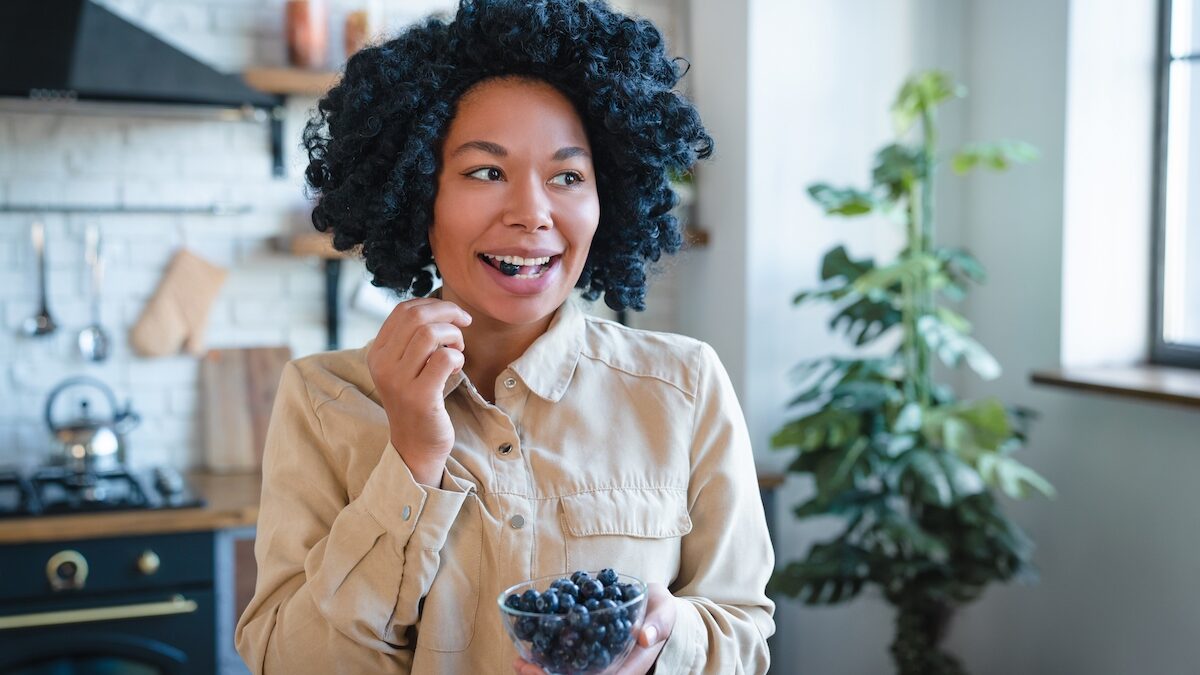
Every day, or almost every day, you make sure to eat as healthily as possible: the right combinations, the right cooking, the right proportions to stay in shape, or even to lose weight… But aren’t you forgetting an essential element? Because all these efforts will not be rewarded if your cooking does not have vitamin P. That is to say, pleasure.
“Vitamin P”, a forgotten key to nutritional balance
Vitamin P — for pleasure — reminds us that eating is not just about counting calories or adding up proteins, carbohydrates and fats. Pleasure is an integral part of eating and also contributes to overall balance.
“Food is not just about fueling the body: it is also about meeting sensory, emotional and social needs” evokes Julie Boët. “These dimensions directly influence health and the relationship we have with food”.
A balanced diet is therefore not only a question of nutritional composition, but also of lived experience.
A very real biological reaction
On a physiological level, the pleasure associated with food is not anecdotal. “When we enjoy a meal, the brain releases dopamine, a neurotransmitter involved in reward and well-being circuits. continues the expert.
This response promotes relaxation and activates the parasympathetic nervous system, often called the “rest and digest” system. Result: digestion can be facilitated and the body uses nutrients more efficiently.
In other words, enjoying what you eat also contributes to the proper functioning of the body.
Pleasure and weight loss: a compatible duo
But pleasure also serves to shed a few pounds. “Contrary to popular belief, looking for pleasure on your plate does not prevent you from losing weight, quite the contrary”. An overly restrictive approach, based solely on nutritional control or obligation, can lead to frustration and food obsession.
“When food is experienced as too restrictive, the brain seeks to compensate for this lack of satisfaction. This can result in intense cravings, snacking or episodes of overconsumption”.
In the long term, these mechanisms make weight loss more difficult and promote the yo-yo effect.
Conversely, integrating pleasure into your meals often allows you to better regulate your food intake. “A person who is satisfied after eating will be less tempted to compensate later”. Pleasure then becomes an ally for weight maintenance and a sustainably balanced diet.
Pleasure does not necessarily mean excess
Seeking pleasure does not mean consuming only rich or unbalanced foods. This can also come from a colorful plate, varied textures, a well-seasoned dish or an appetizing presentation.
Enjoying nutritious foods (tasty vegetables, well-cooked cereals, fragrant fish, seasonal fruits) facilitates their integration into daily life.
“A balanced diet is not intended to be bland or monotonous. On the contrary, the more pleasant it is, the easier it becomes to maintain over time.
An essential psychological and social dimension
Finally, diet also plays a major role in emotional balance. Meals are moments of sharing and conviviality that strengthen social bonds and provide positive emotions.
Systematically depriving yourself of foods associated with these moments can also generate guilt, frustration or a feeling of isolation. “Accepting that eating also has an emotional dimension allows us to build a more serene relationship with food.” supports Julie Boët.
How to reintroduce vitamin P daily
After years of strict diets or rigid eating rules, the notion of pleasure can fade. It is then useful to reinstall it gradually.
- This firstly involves the fact of
slow down and pay attention to your feelings
during the meal. Rediscovering flavors, smells and textures allows us to reconnect the food experience with sensory pleasure; - There variety also plays a key role : using aromatic herbs, spices, varying colors or testing new combinations can transform a simple dish into a much more satisfying experience;
- Finally, context matters a lot. Eating in a calm environment, taking the time to sit down or sharing a meal with other people profoundly changes the perception of the moment. These simple actions give food back its friendly and pleasant dimension.
Integrating vitamin P into your diet ultimately means recognizing that pleasure is not an enemy of health or weight loss. It is often an essential lever.