
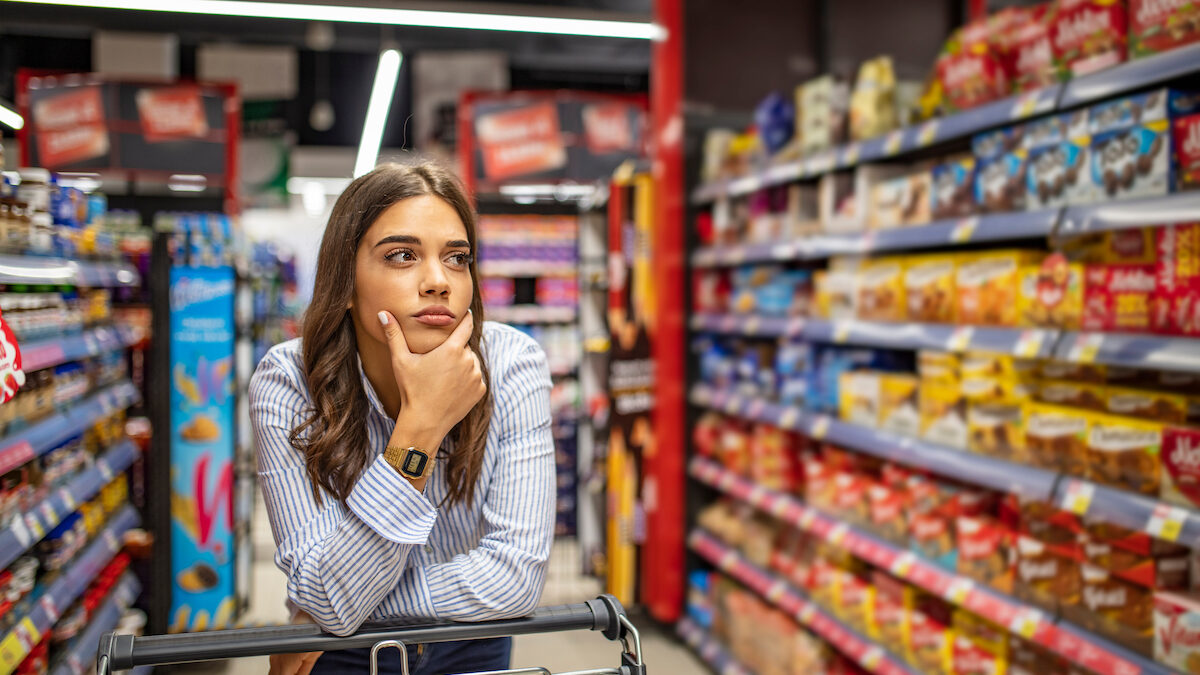
Shopping seems trivial. However, for some people, pushing a shopping cart through the aisles of a supermarket can become a real mental ordeal and highlight anxiety. This often results in a very common behavior: reaching out at the last moment for sugary or fatty products just before the checkout. Behind this purchase there is not only greed.
This little impulse purchase that says a lot about our mental state
You may have already experienced this scene: after filling your basket, you almost automatically grab a chocolate bar or candy while waiting for your turn at the checkout. According to several researchers, this frequent gesture is particularly linked to what is called “decision fatigue”.
In a narrative review published in December 2025 in the scientific journal Nutrientsresearcher Natasha Brasington and her team from the University of Newcastle, Australia, were interested in the impact of mental exhaustion on our food choices. The authors explain that after a day full of decisions (work, family organization, constant demands) the brain seeks to save its energy. Result: he becomes much more vulnerable to impulsive choices.
The phenomenon is particularly visible in the supermarket, especially at the end of the journey. At this time, the ability to concentrate and self-control decreases. Very accessible foods, often rich in sugar or fat, then become the “easy solutions” chosen by a tired brain.
The researchers emphasize an important point: this mechanism is universal. This is not a lack of discipline. An exhausted brain simply makes faster, less thoughtful decisions.
Why the supermarket is a revealing place
Beyond mental fatigue, some people feel real anxiety in supermarkets. This phenomenon even has a name: “supermarket anxiety”.
For people with anxiety, the store environment can quickly become oppressive. Psychologist Rebekah Wanic explains in Stylist UK that this discomfort can come from the “lack of control” felt in these very stimulating places.
And there are many sources of stress in the aisles: crowded aisles, queues, the need to make choices quickly, noises, smells, promotions, etc. All these elements create sensory overload. For some people sensitive to anxiety, this can lead to a feeling of oppression or even real physical stress.
A study published in 2021 in the National Library of Medicine suggested that high light could accentuate symptoms of stress in anxious people.
To this is sometimes added social anxiety: fear of being observed, judged on one’s purchases or of meeting someone. Thoughts that may seem harmless from the outside, but are very real to those who suffer from them.
How to make shopping less stressful
Good news: several simple strategies can help reduce this mental load and make this moment much more peaceful.
- Prepare a precise list. This is one of the most effective tips. Organizing your list by department allows you to limit the decisions you have to make on site and reduce the time spent in the store. The brain then has less information to process.
- Avoid rush hours. Shopping at quieter times greatly reduces sensory overload: less noise, less crowds, less waiting and therefore less stress.
- Don’t go shopping tired or on an empty stomach. Specialists point out that fatigue and hunger increase impulsive purchases. Shopping earlier in the day or after a meal helps preserve your decision-making abilities.
- Breathe to calm stress. Simple deep breathing exercises before entering the store can help reduce heart rate and anxiety.
- Be accompanied. Shopping with a loved one often helps distract you from anxious thoughts. A conversation or a reassuring presence can be enough to make the experience more comfortable.
But understanding these mechanisms also allows you to relieve your guilt. If you’re craving something sweet after a long day, it’s not just a question of willpower. It’s also a sign that your brain is starting to run out of energy.